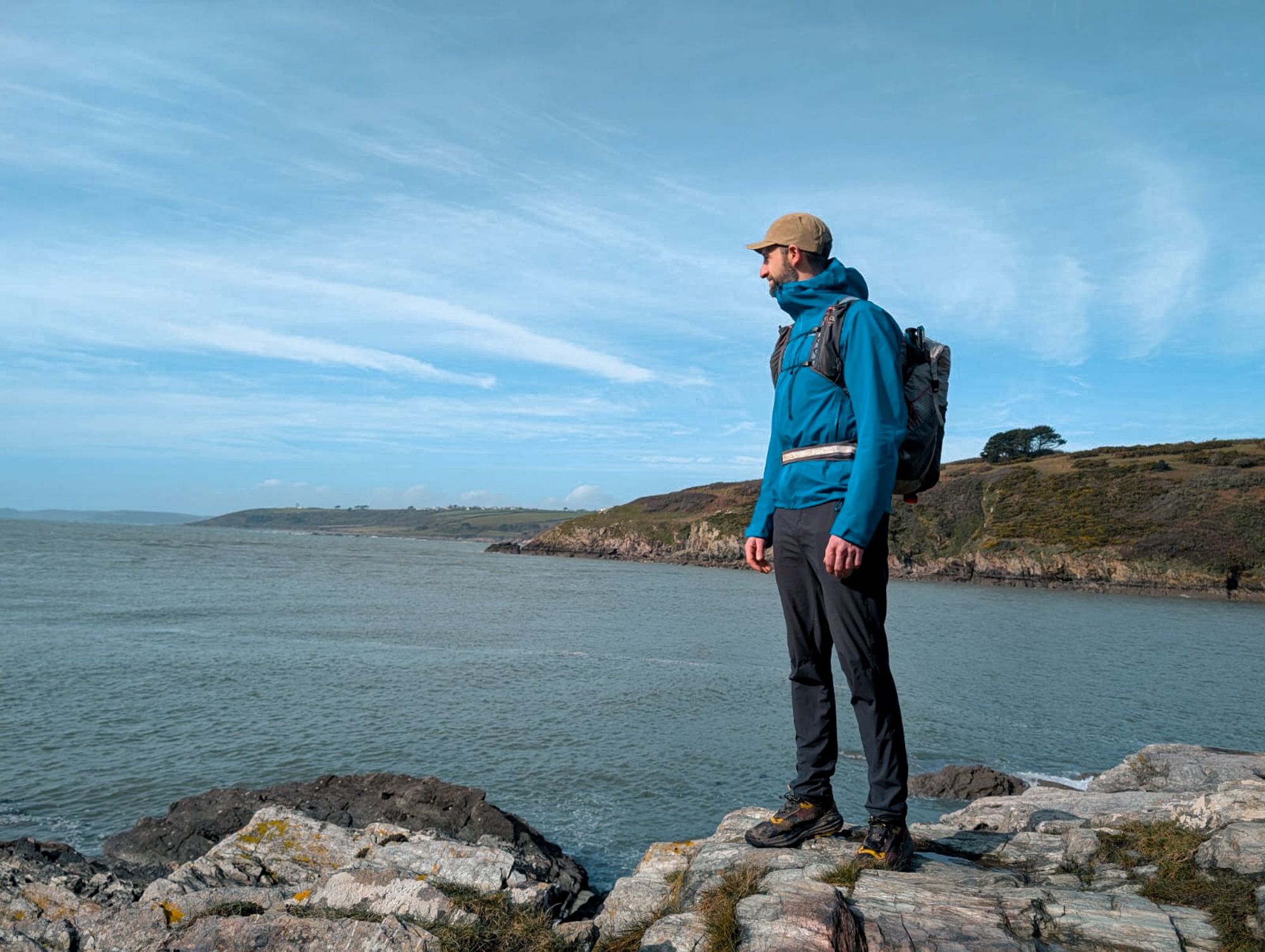
Exeter store manager Dave gives this lightweight waterproof a very thorough test, read his thoughts below.
Traditionally, the difference between a running and hiking waterproof has been weight and breathability. With many runners complaining of being wetter from sweat than from the rain. But after the winter we had and the amount of water falling from the sky in recent weeks, the line has blurred as to what matters most.
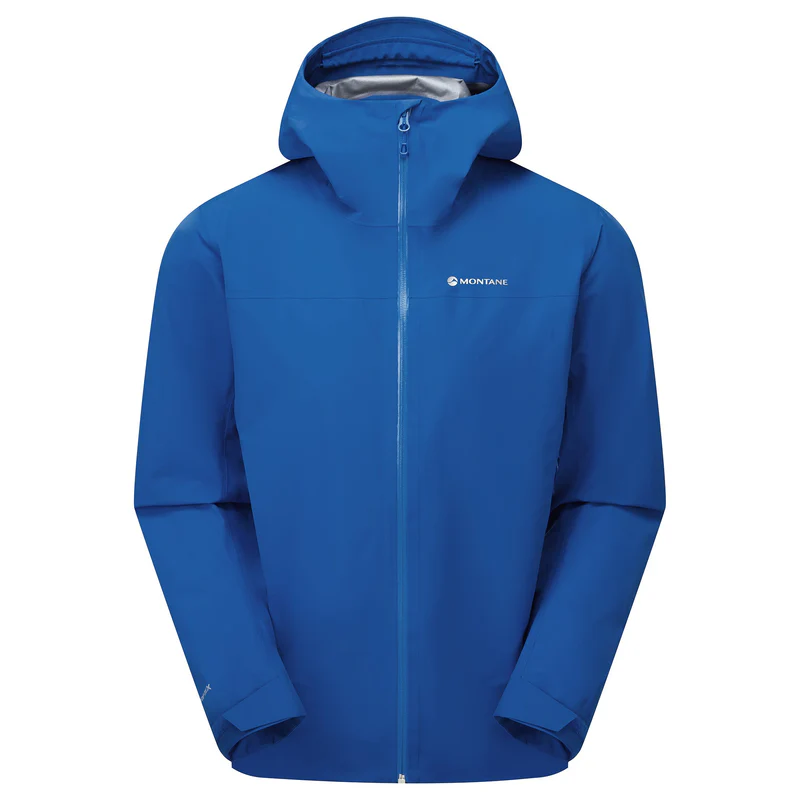
In 2022, Montane released the Phase Lite, but last year they reinvented it and made some major updates.
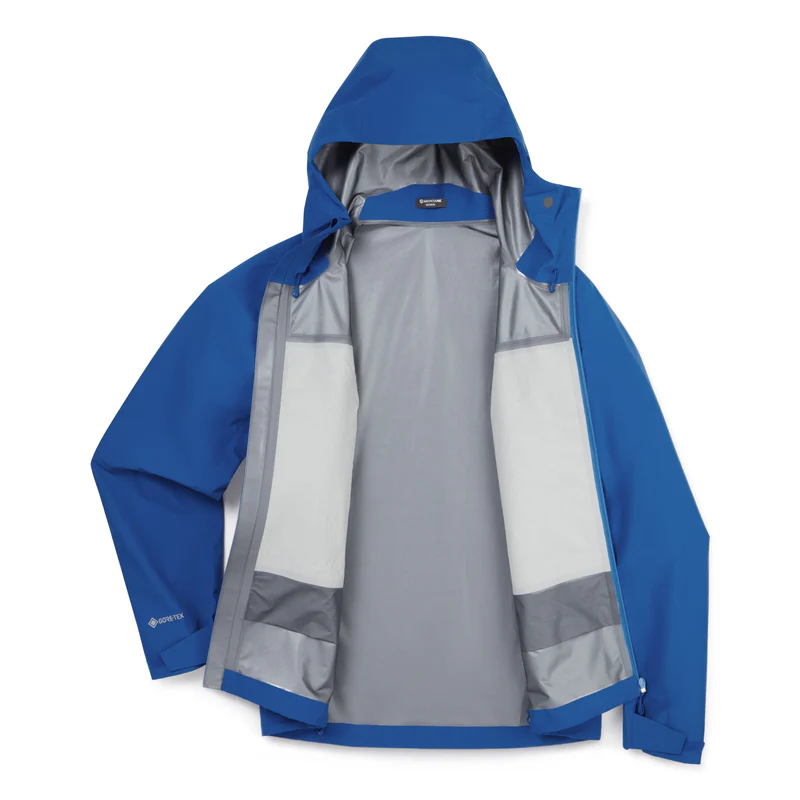
When I approached the buying team here at Taunton Leisure, looking for a waterproof for an event I was taking part in, I had the usual list of requirements. Waterproof, comfortable, but above all else, as little weight and pack size as possible.
At the same time, it needed to cope with everything that 160 miles in January on the Pennine Way could throw at it.
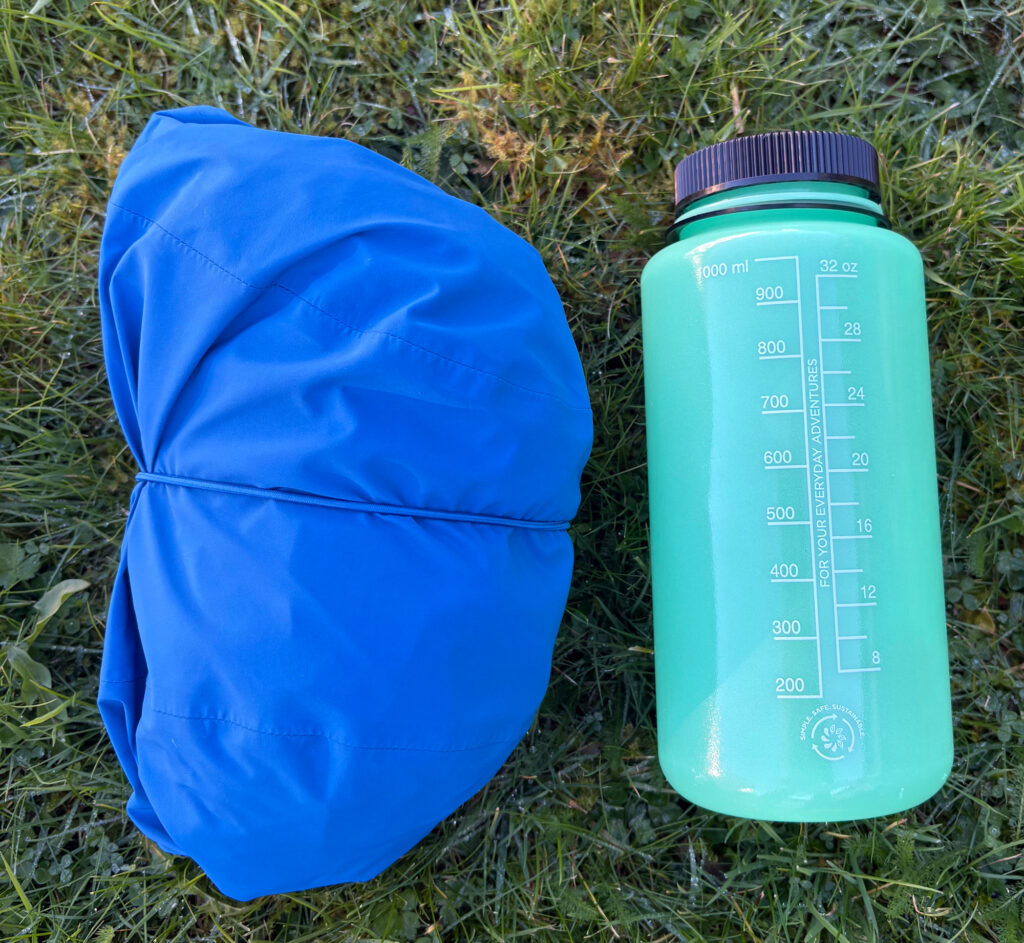
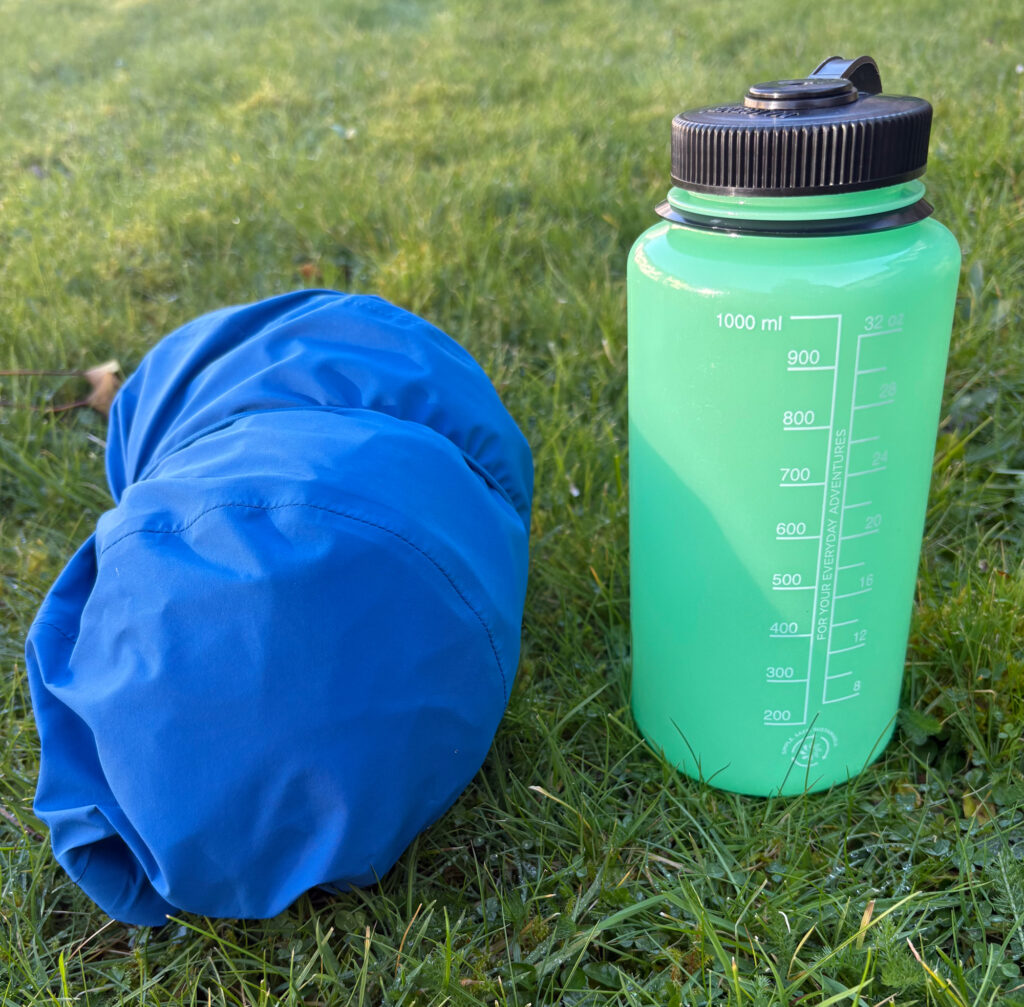
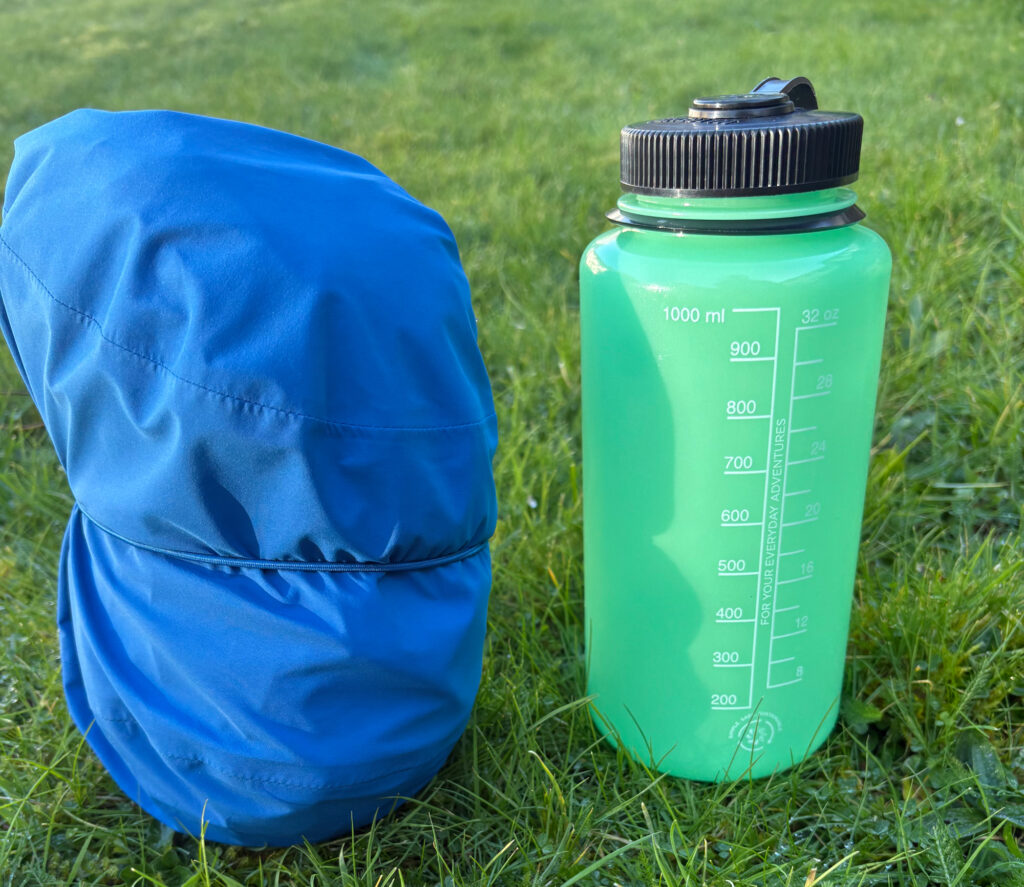
The Montane Phase Lite was suggested and I gratefully accepted. I had my reservations – the word “Lite” made me think of warmer times and shorter showers. However, I was wrong. The Montane Phase Lite is a reliable, hardwearing shell with an outstanding pack size and weight.
Fitting a waterproof shell can be a real nightmare. Buy one that is too snug and you cannot fit layers underneath; buy one that is too big and it flaps around in the wind, becoming frustrating and uncomfortable. I am 6’2” and reasonably slim, but with broad shoulders. Even though Montane describe this as a “trim” fit, I chose a medium and it is a great fit.
I can fit a variety of midlayers like the Mountain Equipment Switch Pro or Montane Fortes Lite, but it is not too baggy with just a base layer underneath. I would not be able to fit a duvet jacket beneath it, but that would not be a requirement for me as I normally warm up quickly.
While working with customers in-store, some find the balance between body length and arm length tricky, but I think Montane have done a great job of balancing this and creating a good fit for most people.
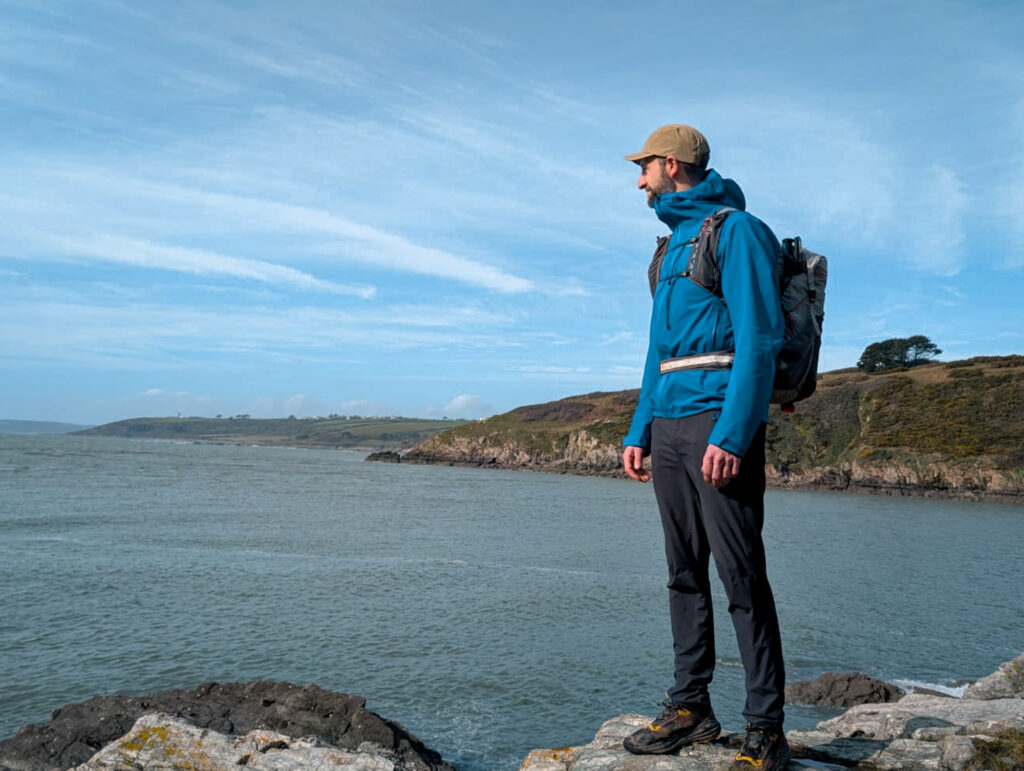
The Phase Lite is constructed from a 40D face fabric and PFC/PFAS-free Gore-Tex ePE membrane, boasting a 28,000mm hydrostatic head rating and an RET rating of less than 13. This means it is excellent at keeping water out and good to excellent in terms of breathability. At 355g in a size medium, it is a serious contender for a durable ultralight hard shell.
The Phase Lite has simplicity at its heart. It is not packed with unnecessary features and pockets, but one of the changes between the old and new version of the Phase Lite was the introduction of pit vents, increasing breathability. There are no internal or external chest pockets on this model, though they are available on the regular Phase.
The hood adjustment around the head was great – easy to find and adjust. However, after hours out on my feet and fiddling around with gloves, the internal hem adjustment was a little fiddly and frustrating to use when trying to keep the wind out.
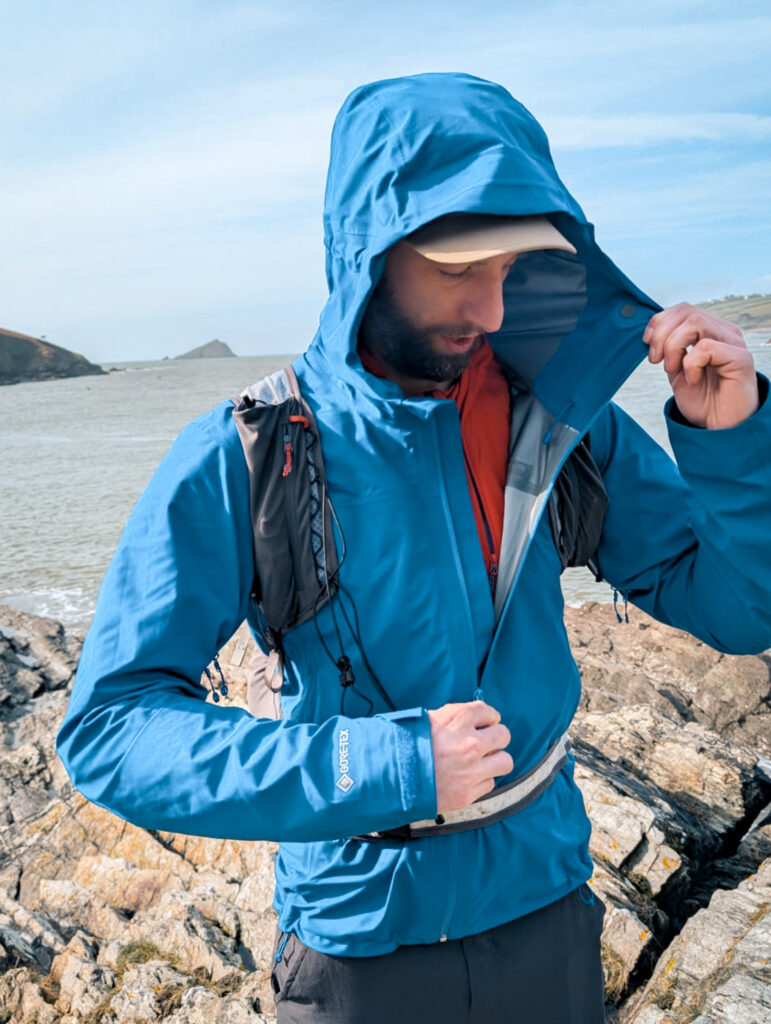
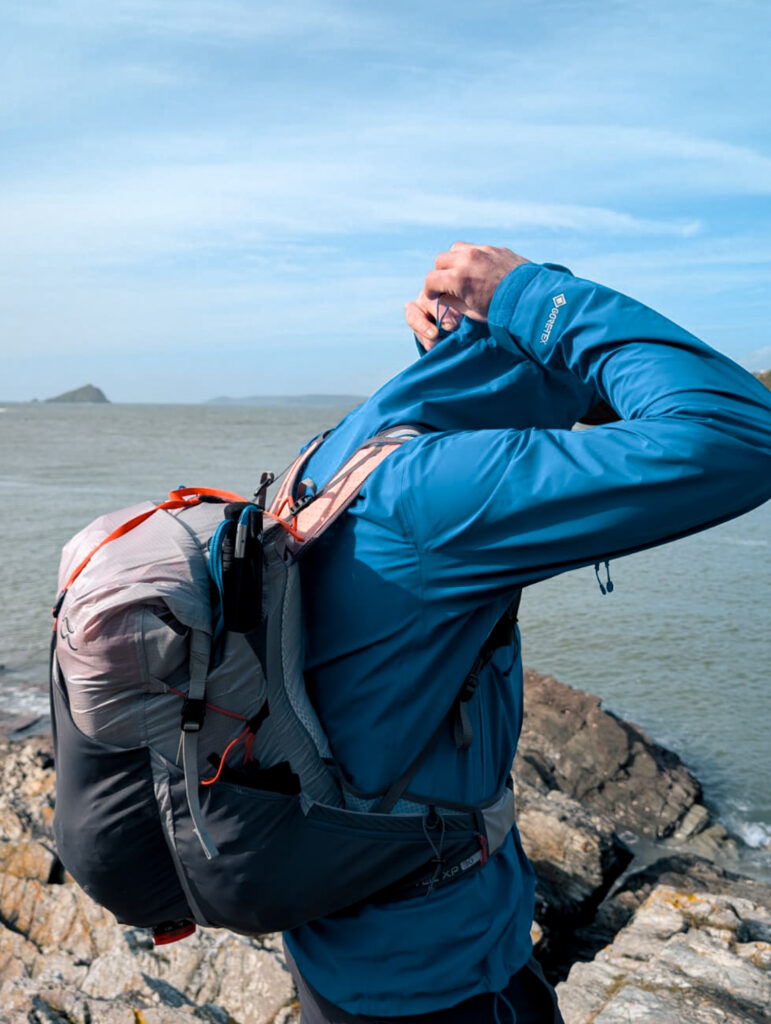
What makes this jacket interesting is the way it is constructed. Montane have used larger panels of nylon, reducing the need for sewn seams and taping by 25% compared with the previous model. This reduces weight and bulk, minimises areas where water could leak, and increases breathability. The same principle is applied to the pockets: the internal lining and main zip are bonded together rather than sewn.
The two large hand pockets are great for storing items as you would expect, but what is different is that, due to their size and positioning, they are still usable when wearing a rucksack with a waist belt.
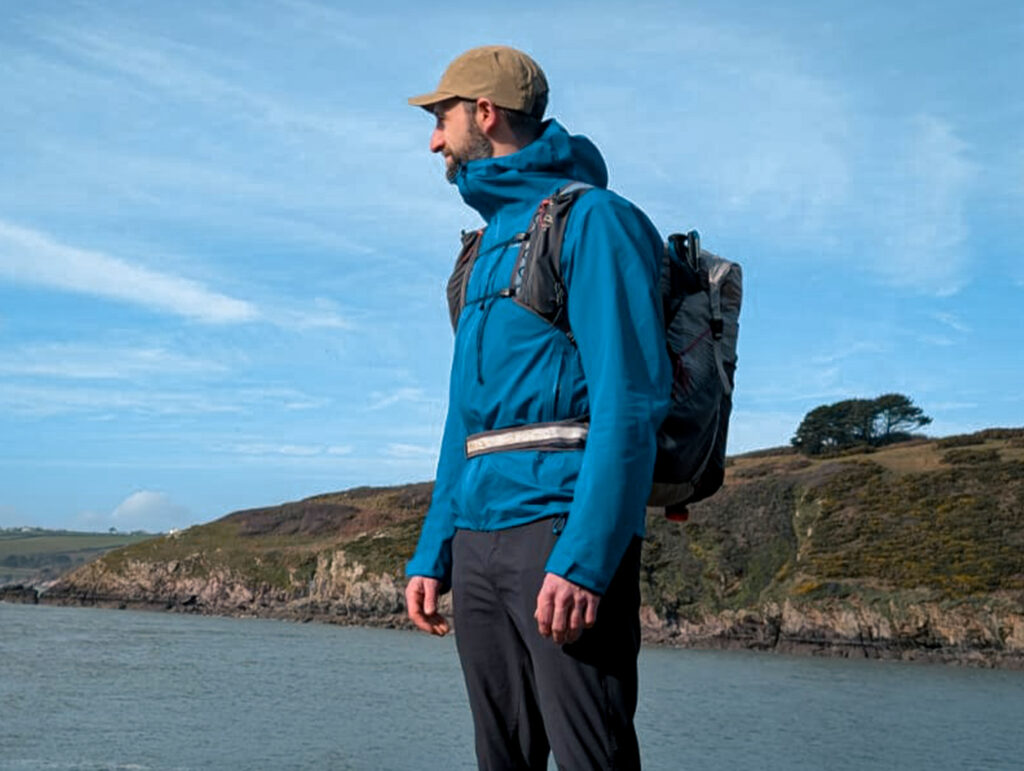
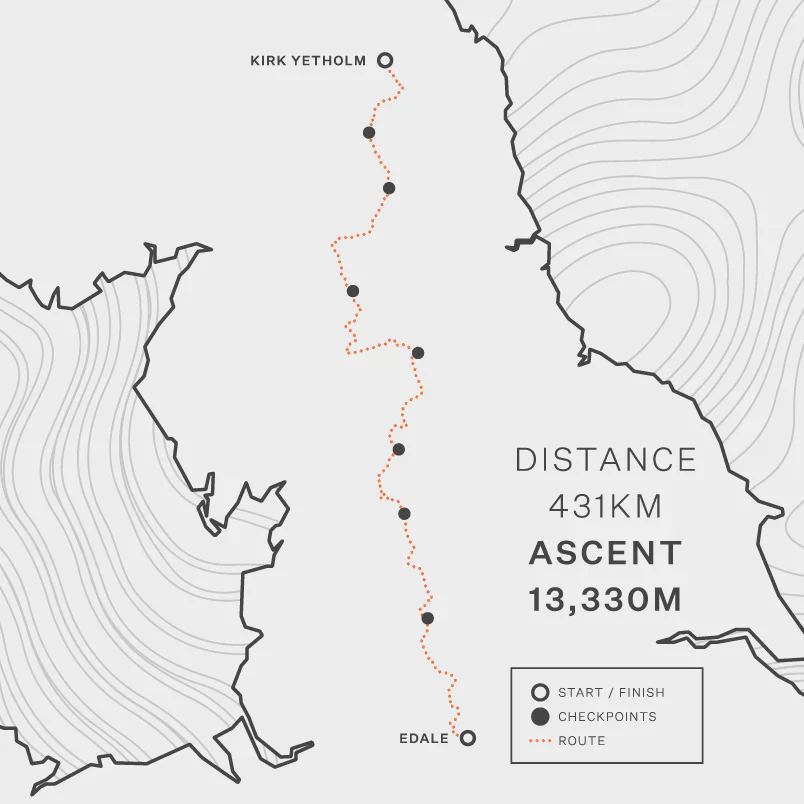
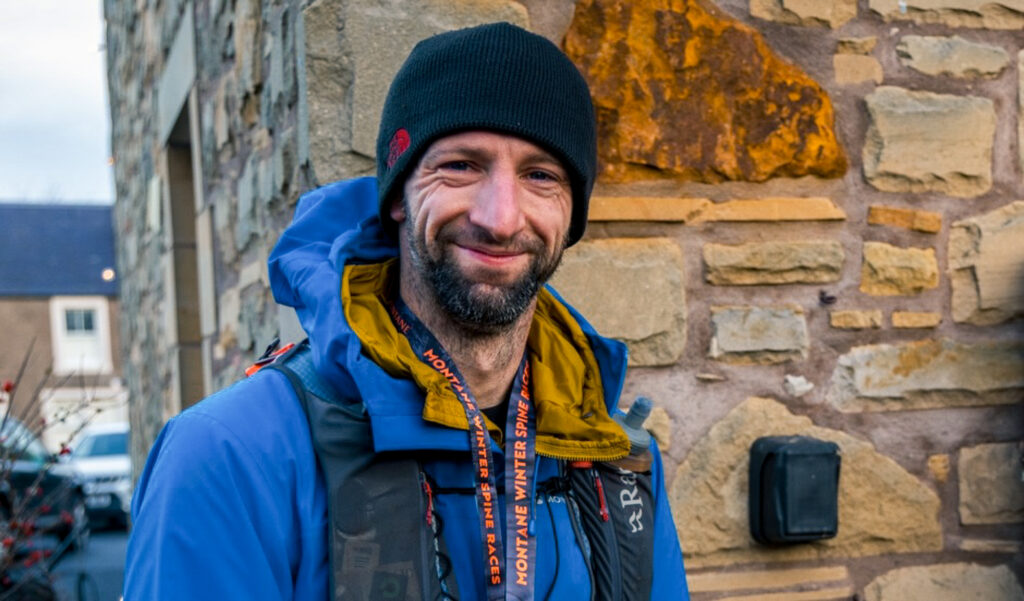
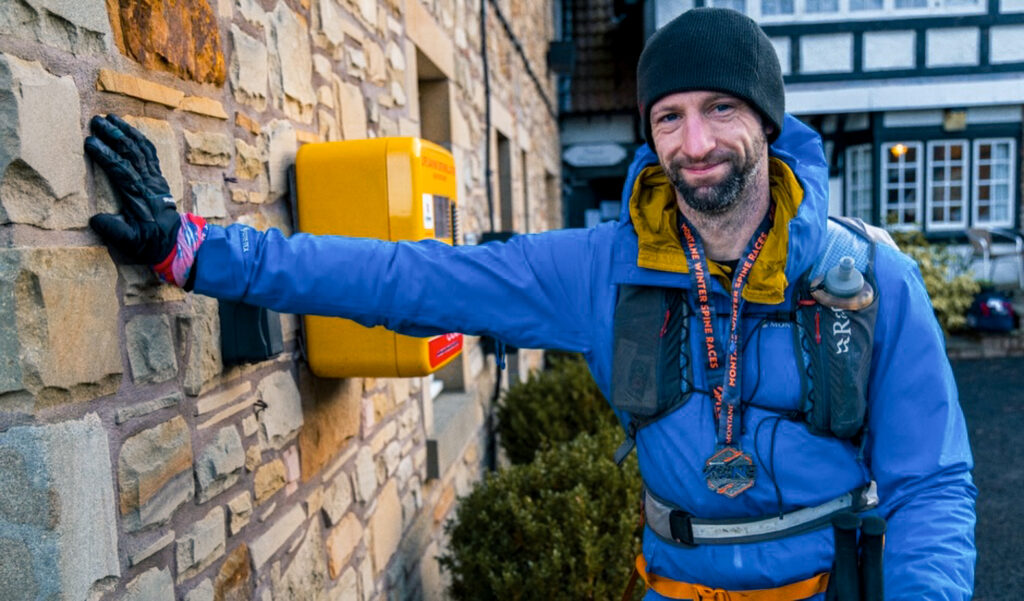
My initial need for this jacket was for the Spine Challenger North, a 160-mile self-supported non-stop adventure from Hawes in North Yorkshire to Kirk Yetholm on the Scottish Borders, raising money for the North Dartmoor Search and Rescue Team. Along the way, I experienced 60mph winds, snow, ice – lots of ice – and torrential freezing rain.
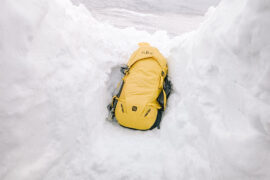
Initially, I thought I would start using the Phase Lite and, as my body and mind deteriorated over the many hours on my feet, I would swap at a checkpoint to a more traditional, heavier shell. But I did not. I was using the Rab Veil XP30, which is a pack that worked well for me in the summer event. The waistband on this pack sits higher up than most, as it is closer to a running vest. I thought the pockets would have been difficult to access, like on my other jackets, but they are such a good size and so well-positioned that they worked perfectly.
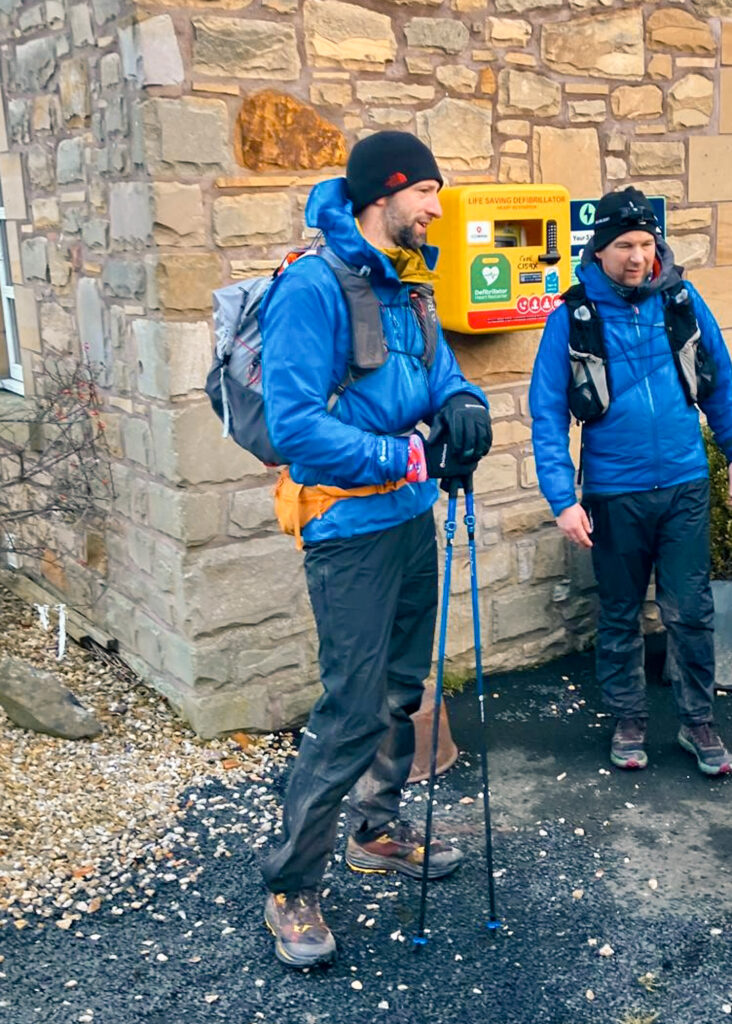
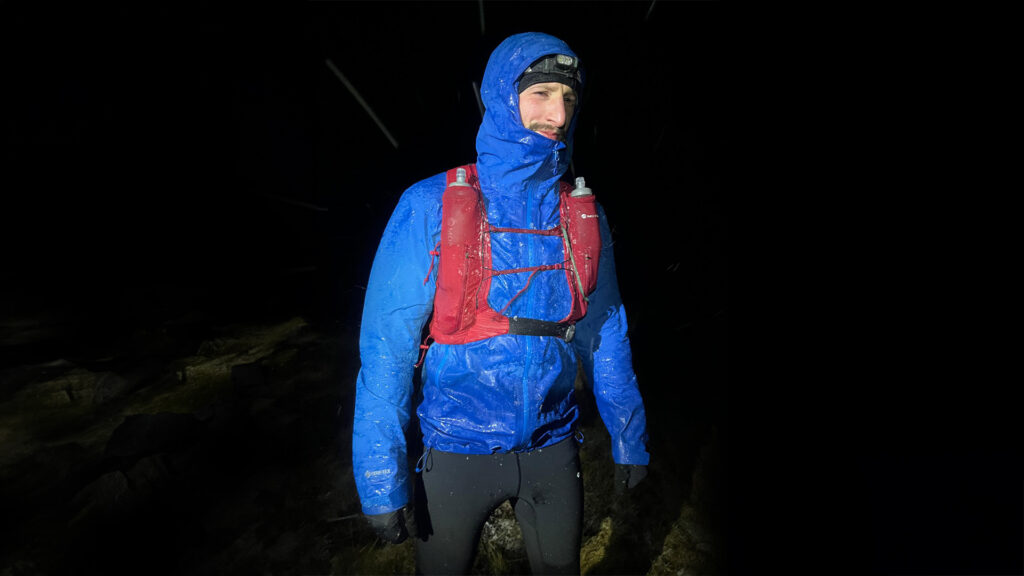
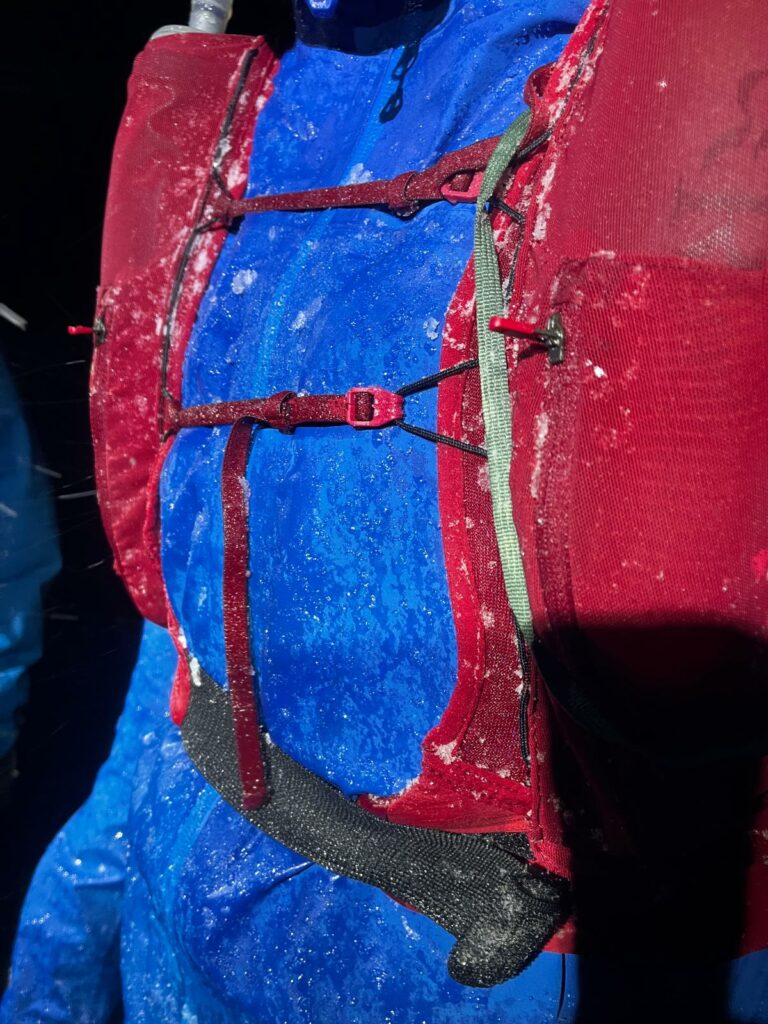
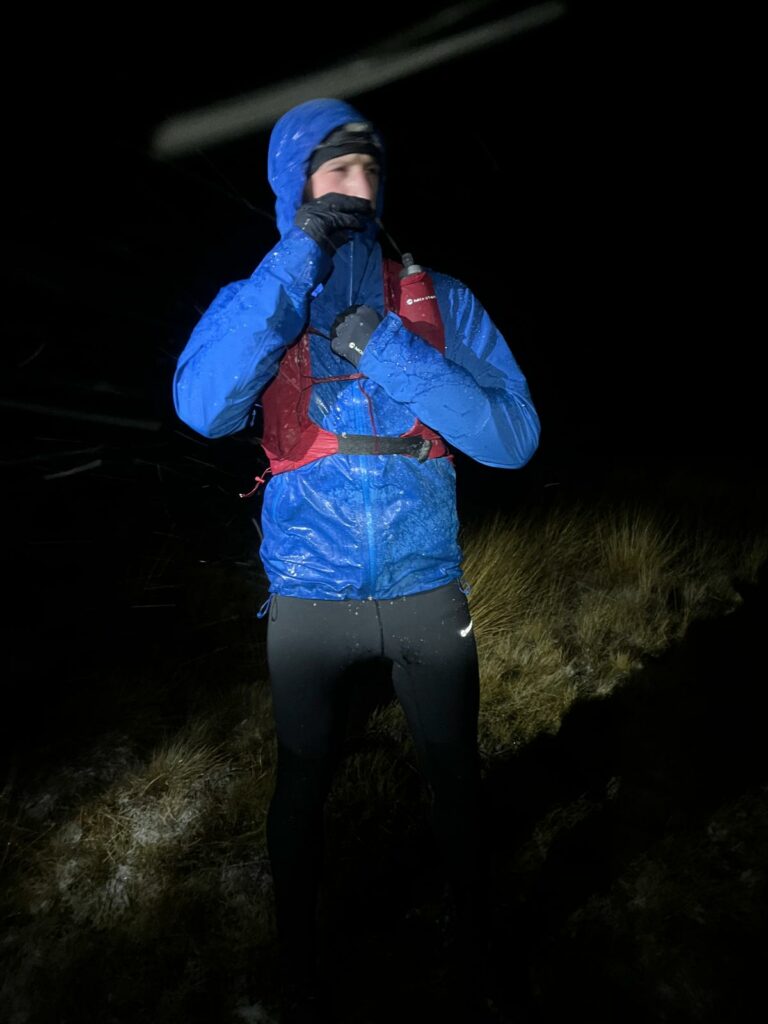
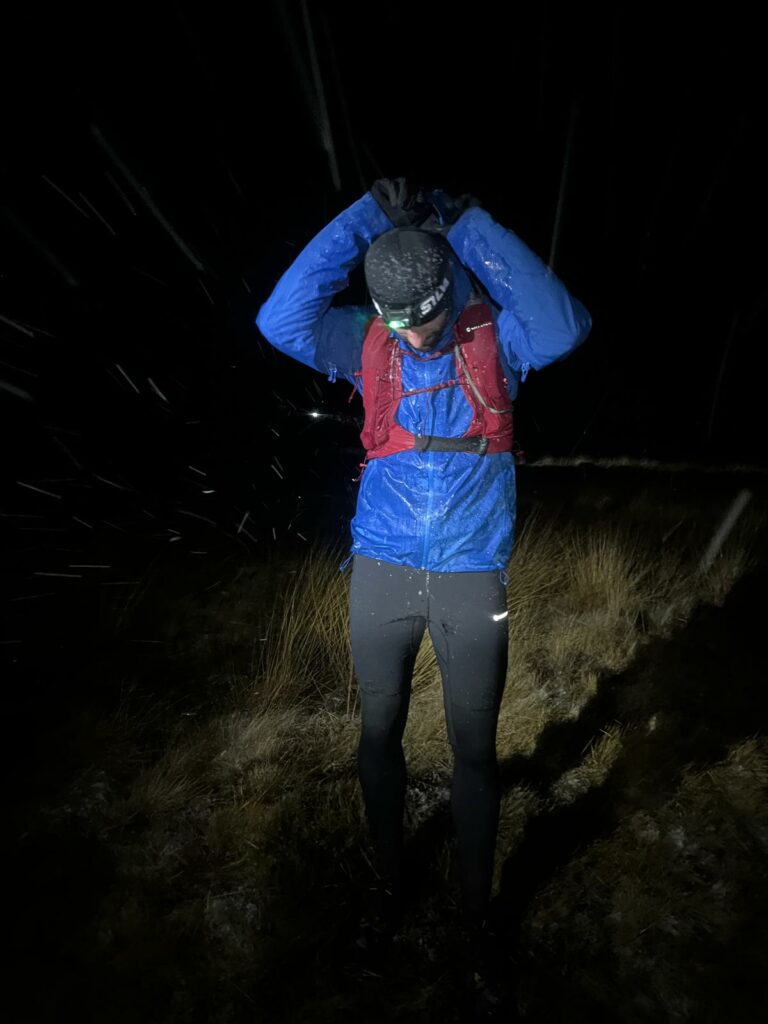
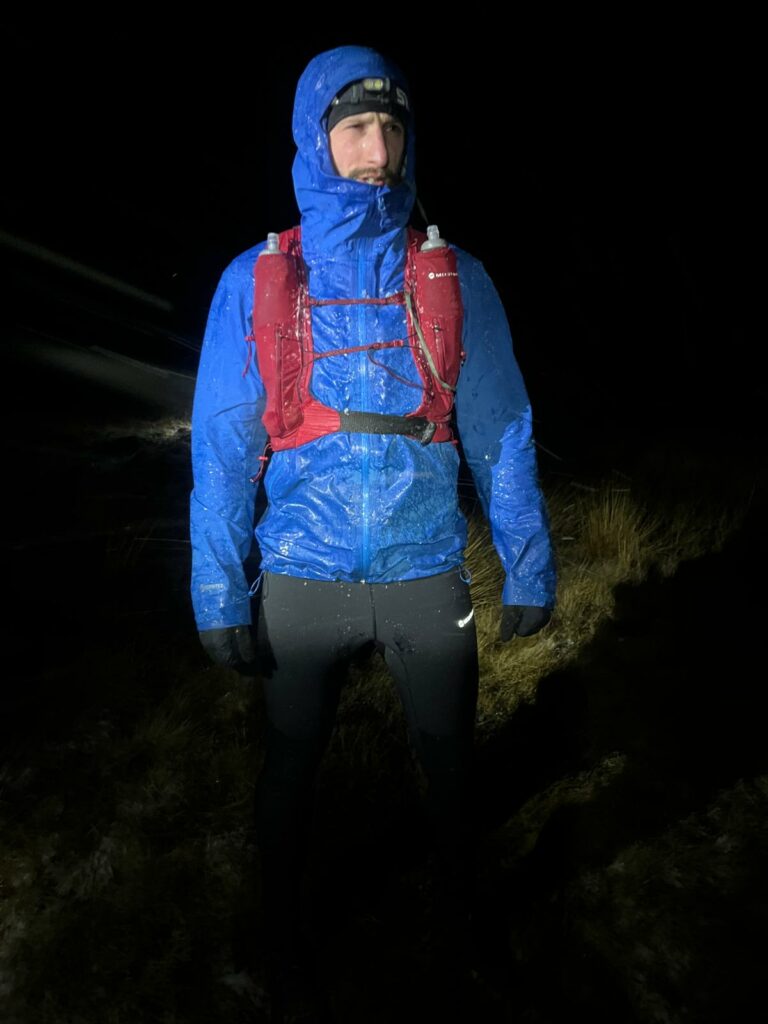
At 6pm, in heavy rain, the race started. The rain eventually stopped around midday the next day, which after a few calmer hours was replaced with strong winds and rain that froze on impact as we headed over Cross Fell, the high point on the route. I was worried that, with a lighter shell, the strength of the winds might force water through the fabric, but apart from the jacket freezing, there were no problems.
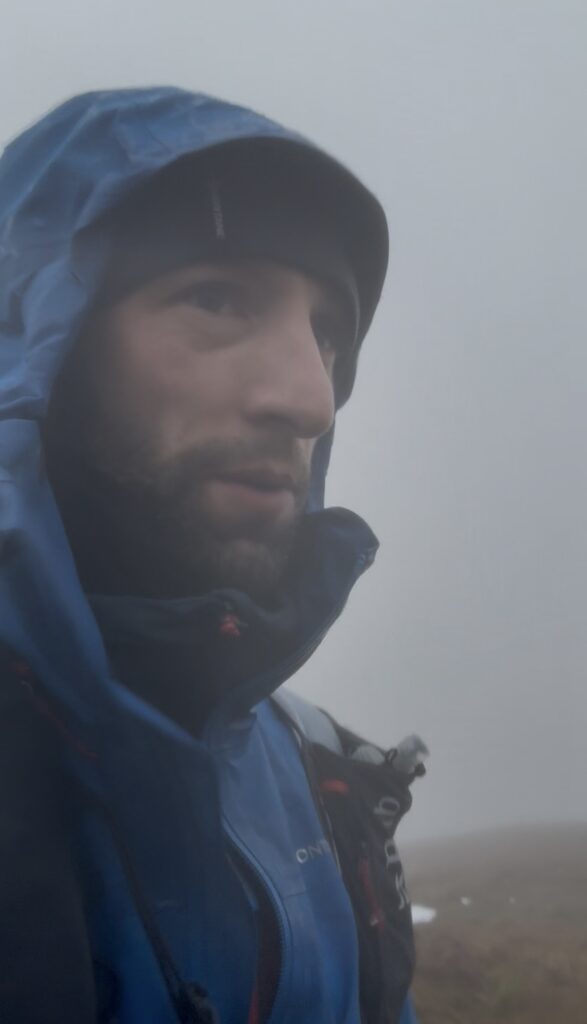
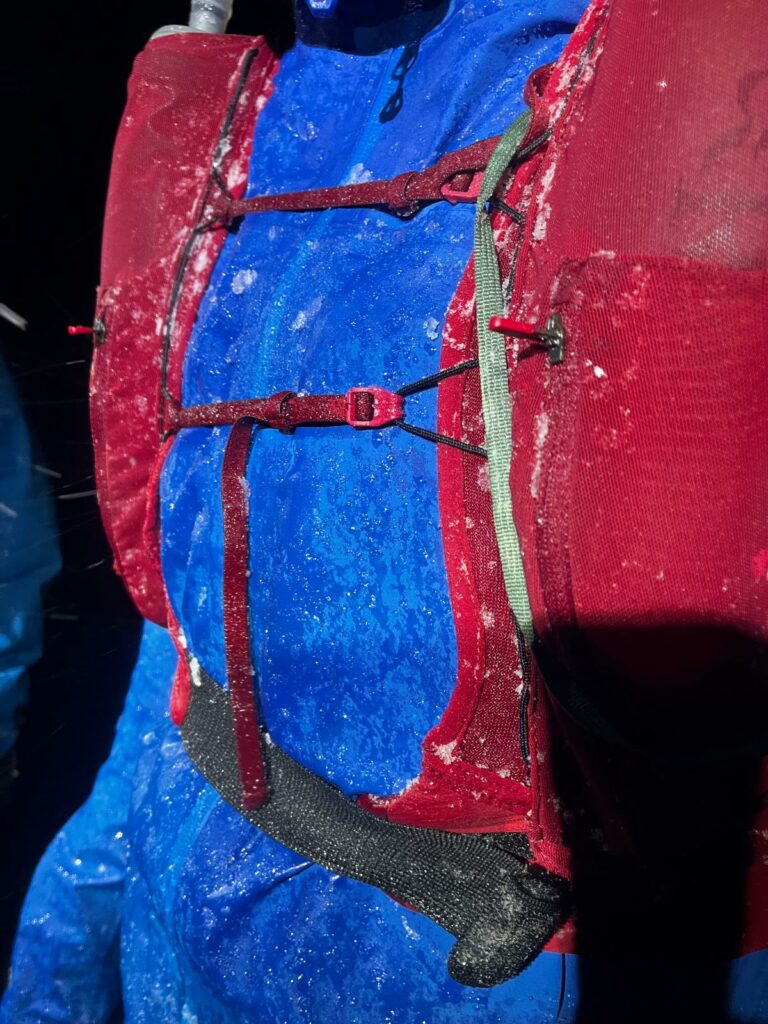
Dropping off the top and down to the infamous Greg’s Hut at mile 65 for some noodles and tea, I chose to change my insulation layer as the temperature was only going to get colder. Underneath the shell I was entirely dry. In those conditions, I would have expected even the toughest and heaviest shell to have some ingress or condensation on the inside, but with the Montane Phase Lite there was nothing.
Not long after that, reaching checkpoint 2 at mile 80, I had planned for this to be the swap to a thicker shell. But while resting, and with my jacket having a couple of hours to thaw and dry out, I chose not to change a thing and ventured out into night two still wearing the Phase Lite.
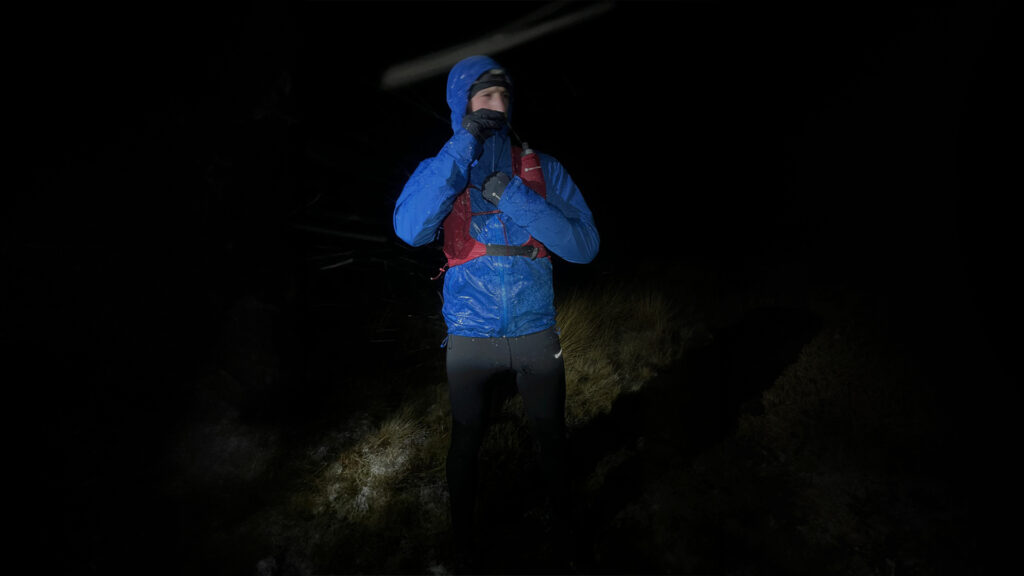
This section was equally wet: ten hours and mile after mile of ankle-deep bog, Hadrian’s Wall, and a little woodland. Eventually, the rain stopped and I could take my hood down. This was a strange feeling – it was like being able to see again. It also demonstrated just how well the hood fits.
It is a helmet-compatible hood, which can normally be tricky to get a comfortable fit due to the amount of fabric involved. I found it took some time to adjust the hem exactly how I wanted it because the elastic ends are on the inside. This does create clean lines, but it was initially a hassle. However, after 40 hours with the hood up and no issues, it demonstrated to me just how well it is designed.
Going into the last checkpoint, checkpoint 3, my forearms were wet. This was likely due to the sheer amount of rain and bad weather I had been through, but my core was still dry. Checkpoint 3 was the final chance to warm up and reset before the final push over the Cheviots.
This highlighted one feature of the Phase Lite that really impressed me: how quickly the outer fabric dried after taking such a battering. While I rested, it was draped over the back of a chair in a room that was not particularly warm, yet after a couple of hours, it was bone dry and ready to go again.
After one final push, I finished the race wearing the same shell that I started in.
Once back and recovered, I cleaned and reproofed the Montane Phase Lite. I use Grangers 2-in-1 and then an additional spray treatment before a quick blast in the tumble dryer. There are many ways to do this, but this method has worked for me before and worked very well this time. My jacket felt good as new.
After 30 consecutive days of rain, I have not found myself reaching for my Gore-Tex Pro shell – I have used the Montane Phase Lite every time.
If you are looking for a waterproof shell dripping with interesting features and pockets, this is not the one. But the simplicity is exactly why I like it so much. I was initially wary of the durability and the constant rubbing that comes with lighter fabrics, but there have been no issues or signs of wear at all.
Montane say: “The Montane Phase Lite waterproof jacket is engineered for those who move fast and demand maximum protection with minimum weight.”