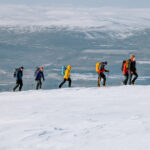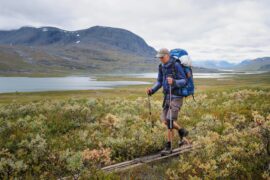
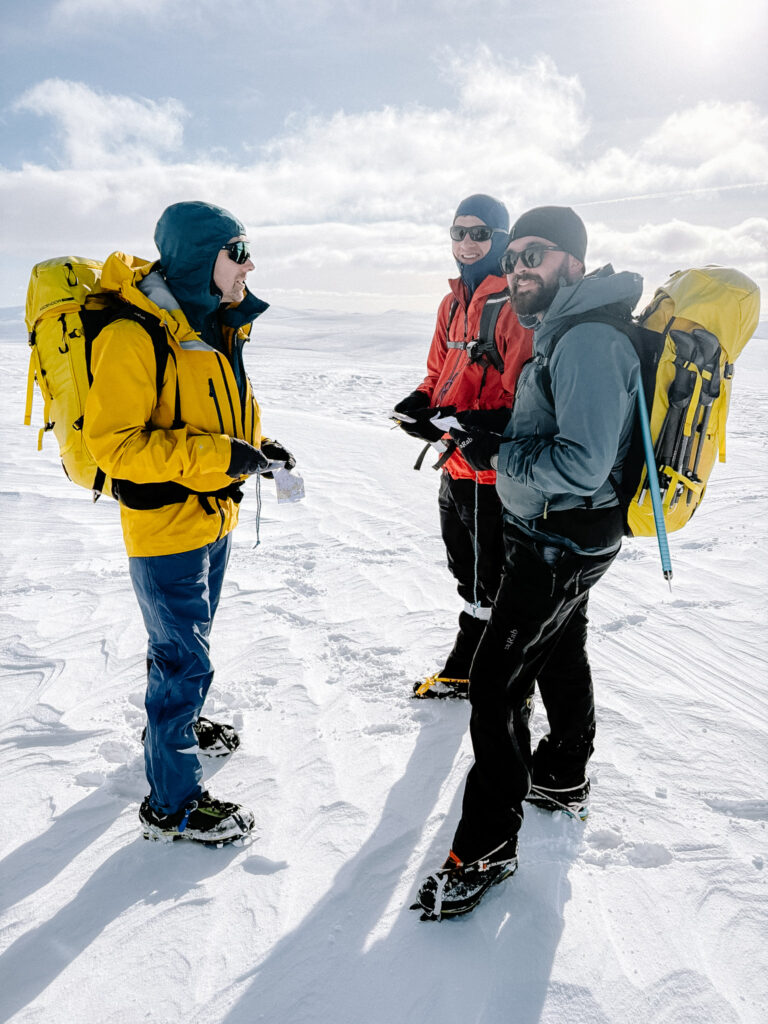
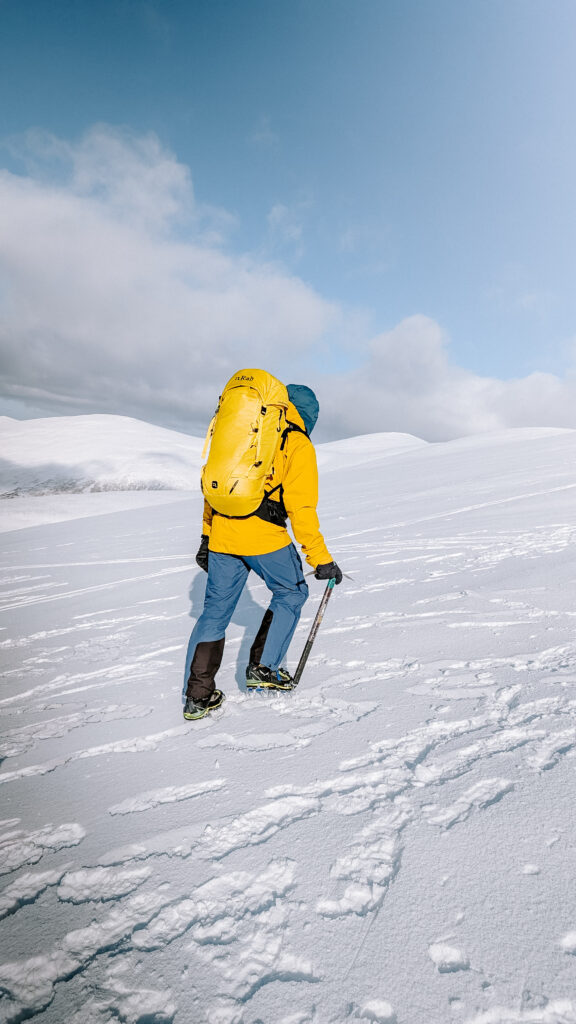
I recently picked up the Rab Ascendor 35 with the aim of doing more winter hiking and mountaineering. In October, it became my pack for snowy Munro summits, and later it was put to the ultimate test on an advanced winter skills course at Glenmore Lodge.
Over the week, I used it to carry everything I needed for long, cold days learning winter navigation, rope work, avalanche safety, and emergency shelters. It’s fair to say I was really pushing the pack to its limits, asking it to carry a lot of kit in some demanding conditions.
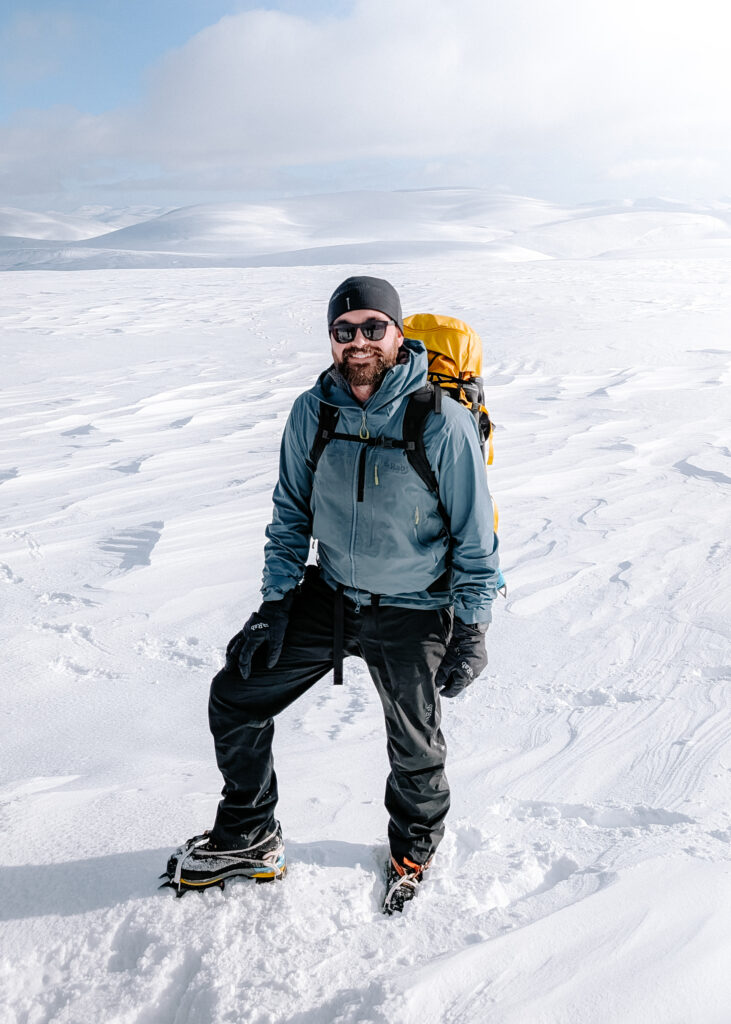
Before we dive into my experiences, it’s worth taking a closer look at the Ascendor pack and what it’s designed for. The Rab Ascendor is designed as a versatile, all-mountain pack that can adapt to a wide range of objectives. Available in 27, 35, and 45 litre sizes, it’s equally at home on a short trip or a big day in the mountains.
Its modular design and strippable parts allow it to transform from a heavy-duty gear hauler to a sleek, agile summit pack in moments. With dedicated carry options for ropes, skis, and ice tools, it’s built for alpine climbing, scrambling, Scottish winters, or routes that include an overnight bivvy.
Rugged, abrasion- and water-resistant, and featuring a close-fitting back system, the Ascendor keeps you comfortable and mobile across demanding terrain, making it a reliable choice for anyone seeking a do-it-all winter pack.
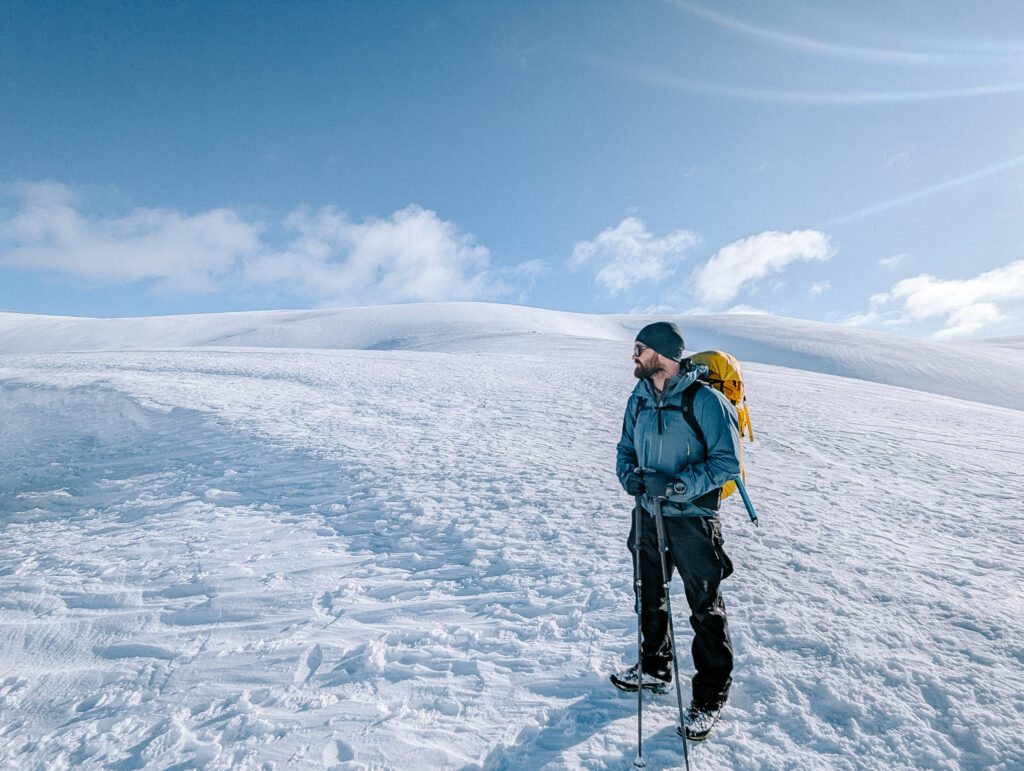
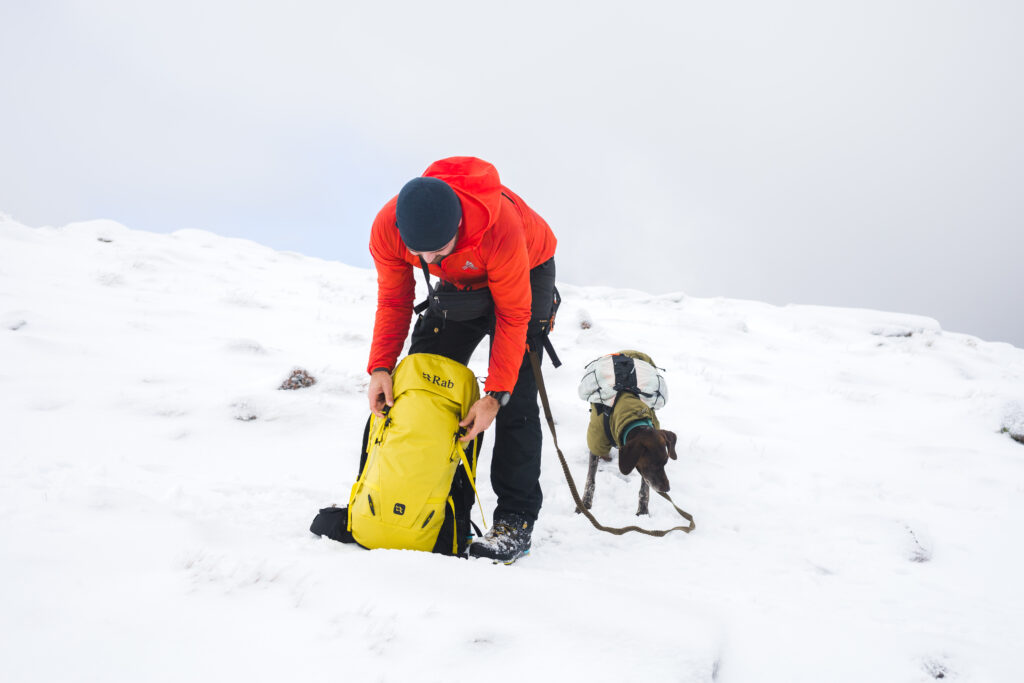
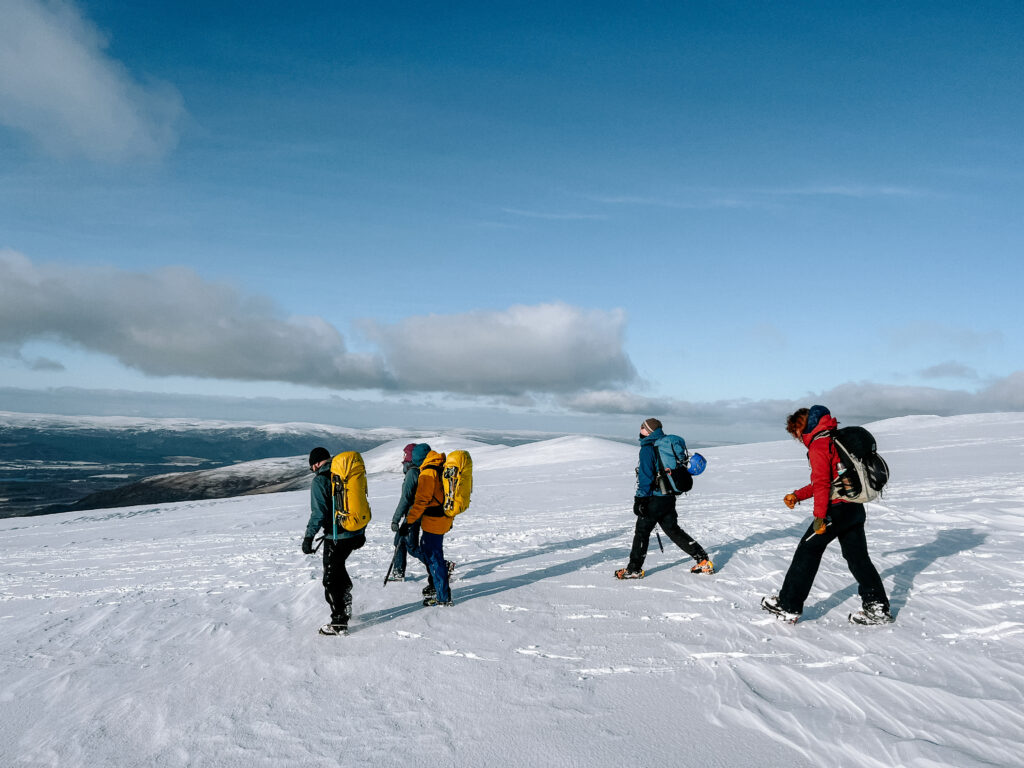
As we’ve already mentioned, the pack is designed to handle a huge range of winter activities. For me, however, it was used purely as a winter mountaineering and hiking pack. I haven’t tested it for skiing or other alpine-specific pursuits, so I’ll focus here on the features and aspects that mattered most for hiking and mountaineering, and share my thoughts based on that experience.
Choosing the right size!
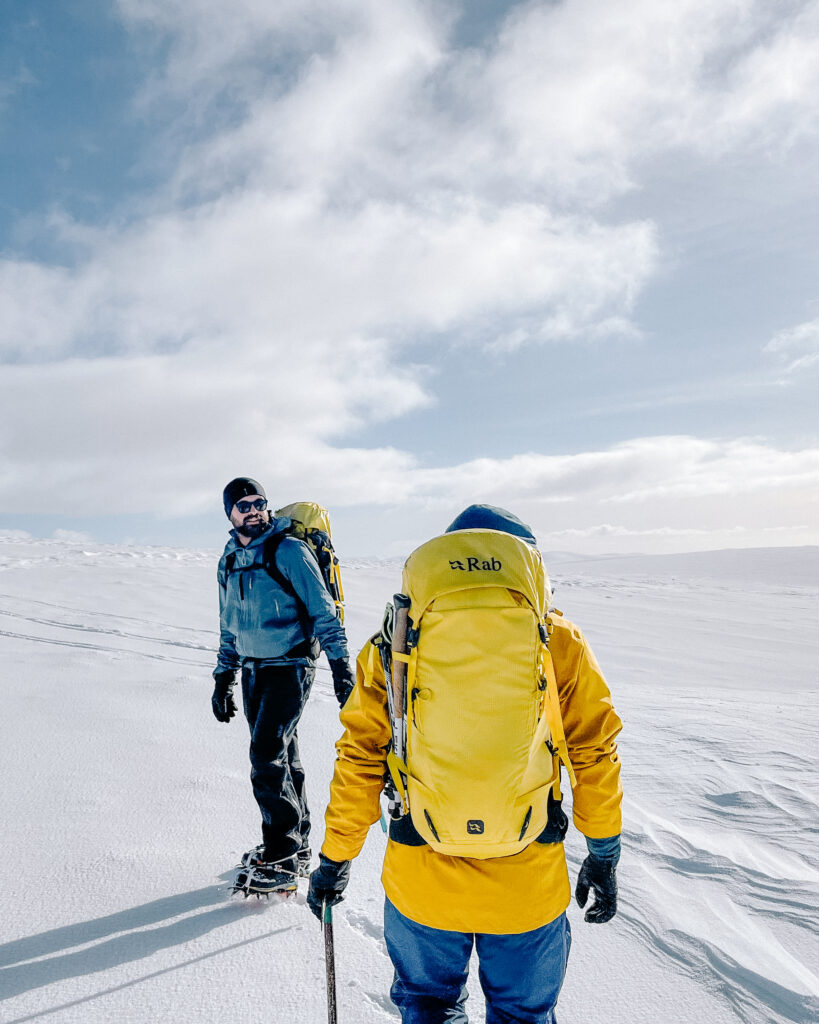
The first- and possibly most important- consideration when choosing a pack is the size: 27, 35, or 45 litres. It can be tough to decide, especially if you’re new to winter adventures and aren’t yet familiar with the kit you’ll carry. I opted for the 35 L, which gave me a good amount of room while staying relatively low-profile, reducing the risk of snags or issues when moving through tight spaces.
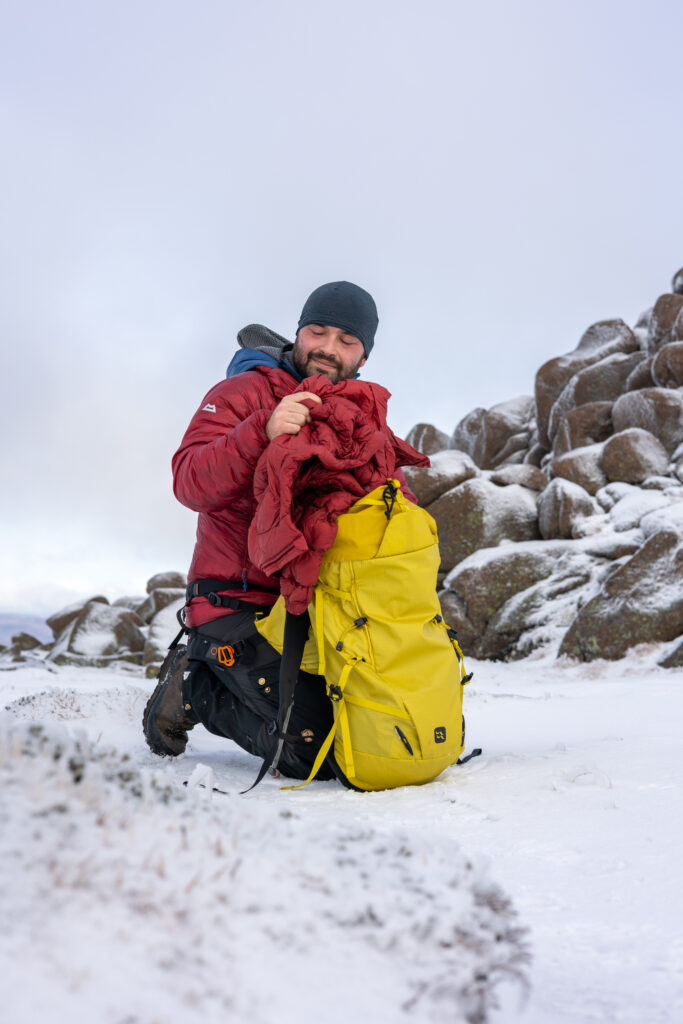
In my 35 L pack, I managed to fit a collapsible snow shovel, ice axe, walking poles, two synthetic jackets, a 1 L flask, a 1 L water bottle, crampons, two sets of waterproof gloves, two hats, liner gloves, a first aid kit, ski goggles, a six-person emergency shelter, spare fleece, helmet, rope, and lunch. For the conditions we faced, I wore my waterproof jacket and trousers from the start. That’s a lot of kit for a 35 L pack, with the ice axe and walking poles carried externally, and the rope on the top rope strap. I was impressed by how much I could fit with some careful packing.
That said, knowing how tight it felt once the rope was added on top, I might have considered the 45 L. The extra space would have been useful for stripping layers or adding more kit. However, that would likely be to big for my normal adventures. The pack’s relatively narrow design can make packing a little challenging at first, but once you get used to it, it’s a smart layout that keeps weight close to your back and narrow enough not to throw off your balance.
The Fabrics and Build
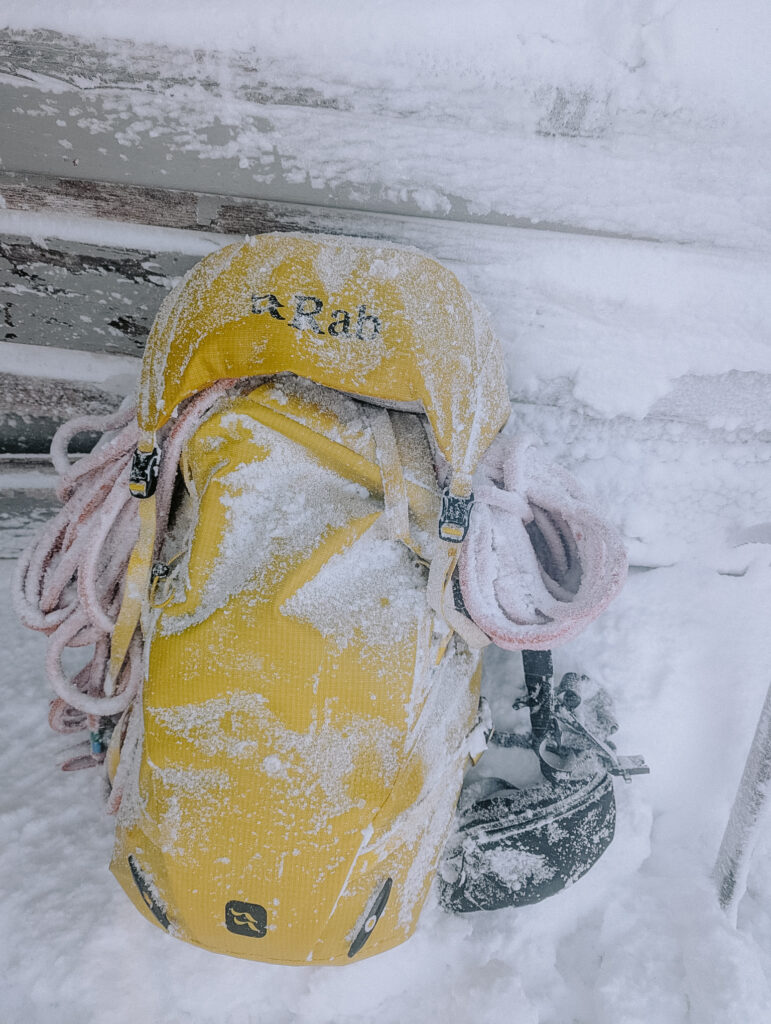
The fabrics used on the Ascendor are really impressive. It features 210D Robic Ripstop Nylon with Trishield Dura Coating, which is incredibly robust. After a week of being thrown in vans, dragged up mountains, buried in snow, and caught on my ice axe and crampons in 50 mph winds, it still looked brand new – not a single scratch. I was genuinely impressed.
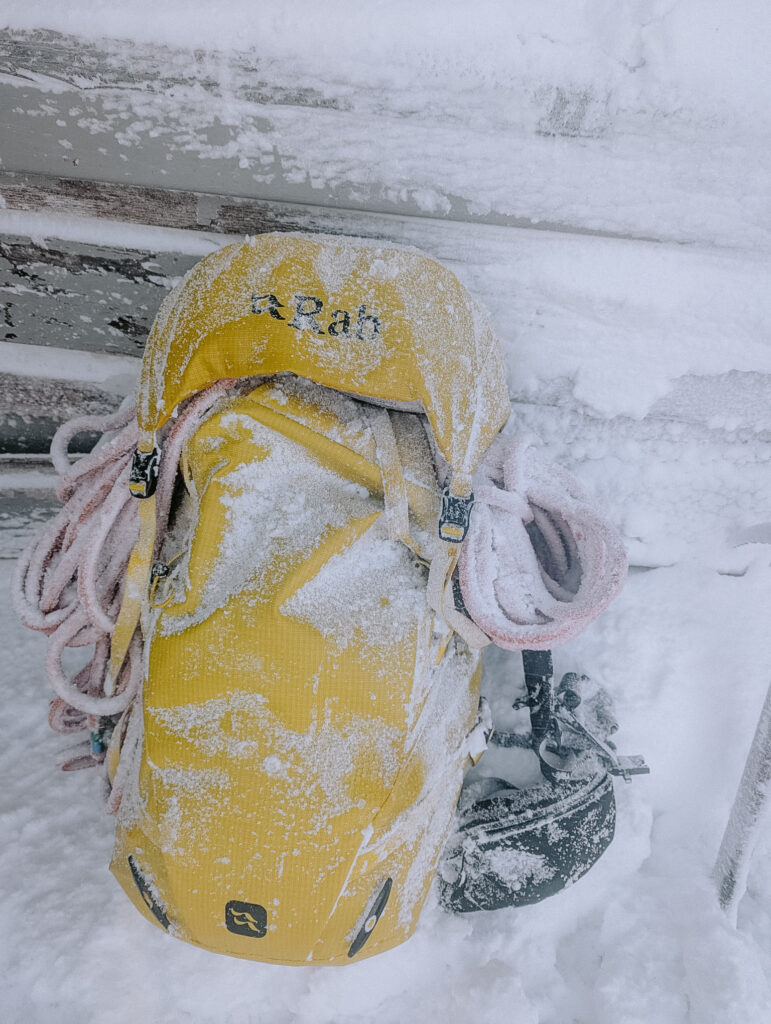
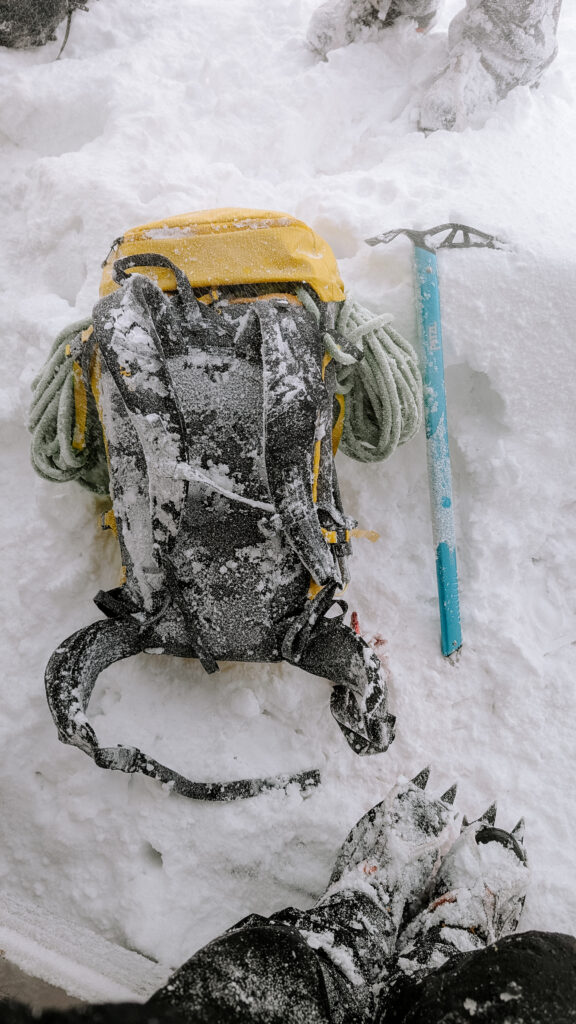
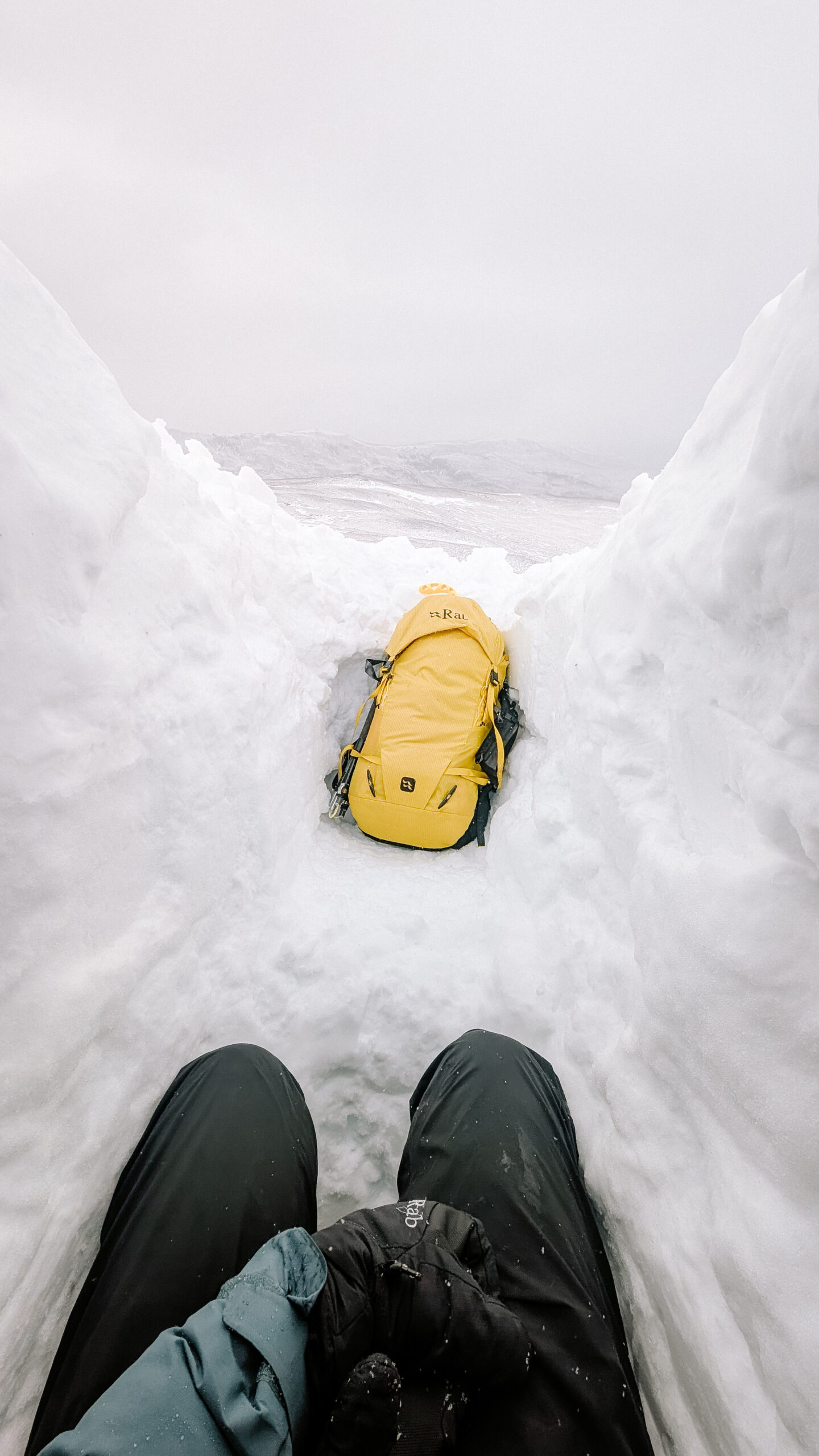
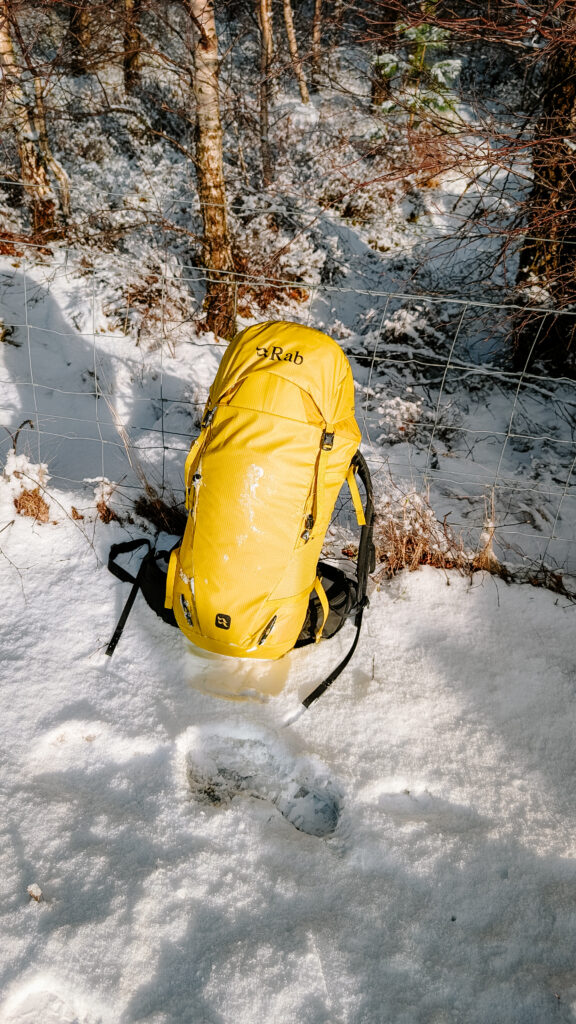
Not only is it durable, but thanks to the Trishield Dura Coating, the pack also has a strong level of water repellency. I still chose to dry-bag everything in my pack, but after a week of heavy use in very snowy conditions, including leaving it sat on the snow, I noticed little to no water ingress. This is really impressive and one less thing to worry about when heading out on the hill. I would continue to use a few dry bags for essential items, but I wouldn’t feel the need to dry-bag less important gear.
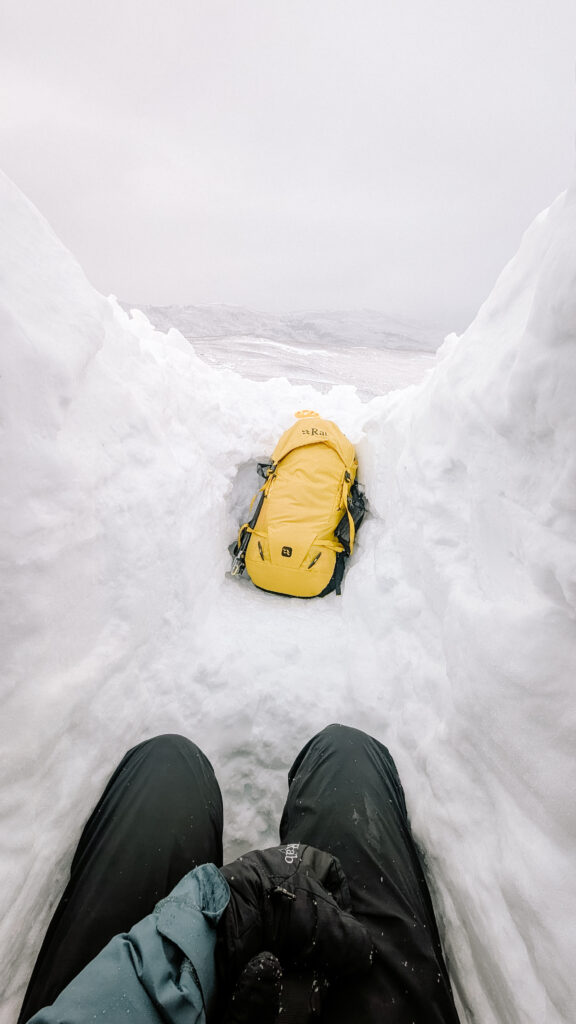
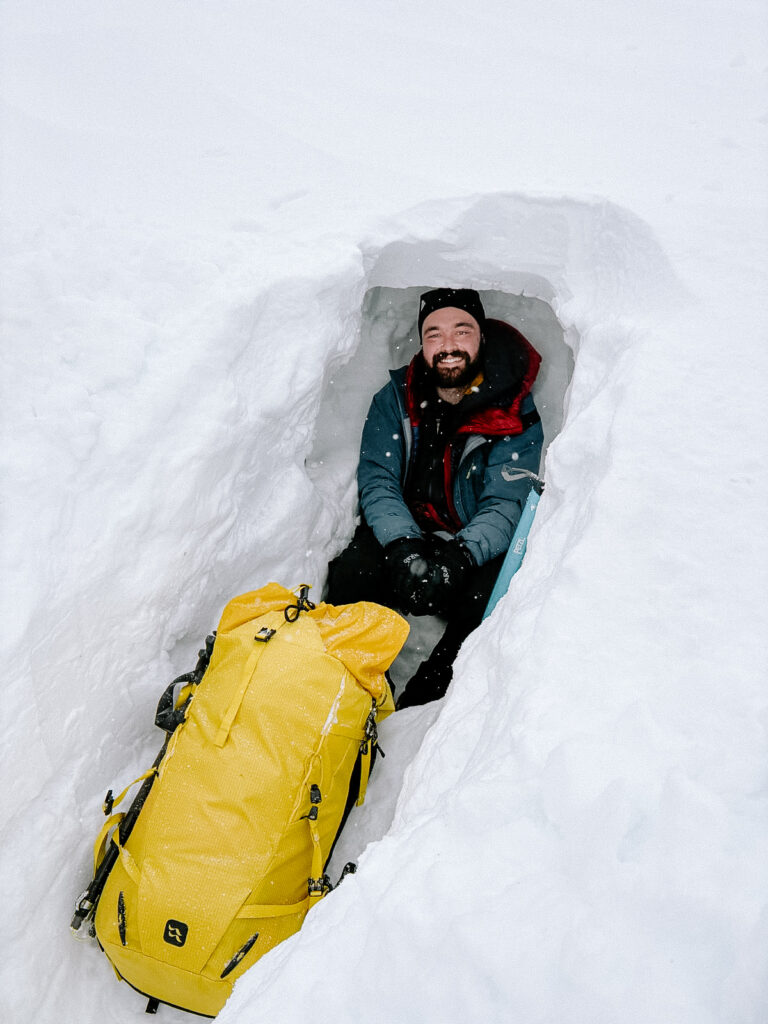
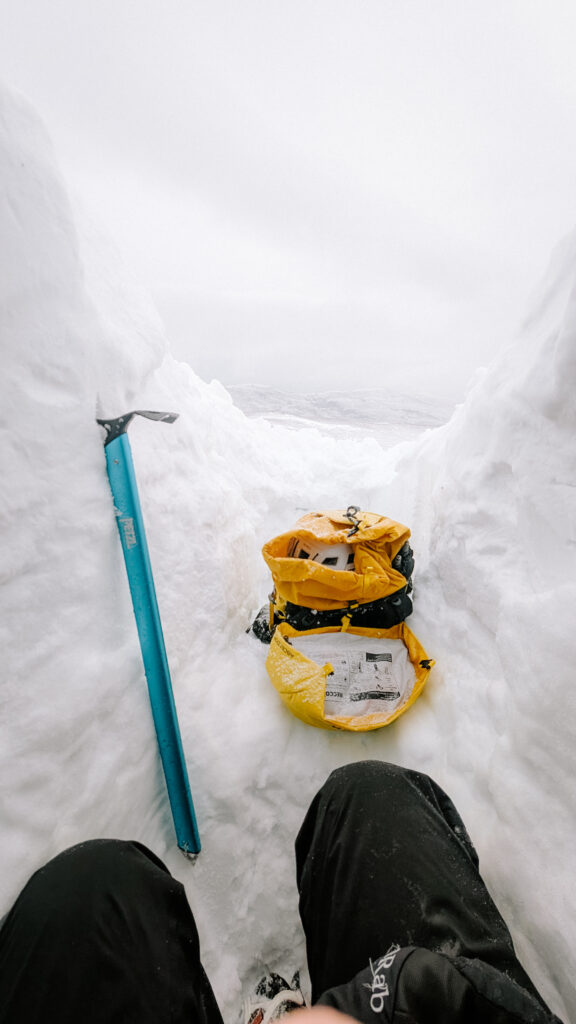
The clips on the pack all worked well, but it would be nice to see some colour coding. In tough conditions, with similar or identical clips in multiple areas of the pack, I often found myself clipping the wrong ones together, leaving things unsecured. In low visibility, with gloves on and freezing temperatures, any small feature that makes life easier is much appreciated.
Overall, the bag feels very well built, and I get the impression it will last a long time.
Fit and Comfort
Fit and comfort of carry are also important considerations, and after five days using this pack for 6-8 hours a day, I was impressed. At no point did I feel sore or experience any rubbing. The back panel is comfortable and protects your back from anything inside the pack digging in. The hip belt is secure and comfortable, although it would be great to see some inward-pull straps to make adjustments easier. The shoulder straps are minimal and comfortable.
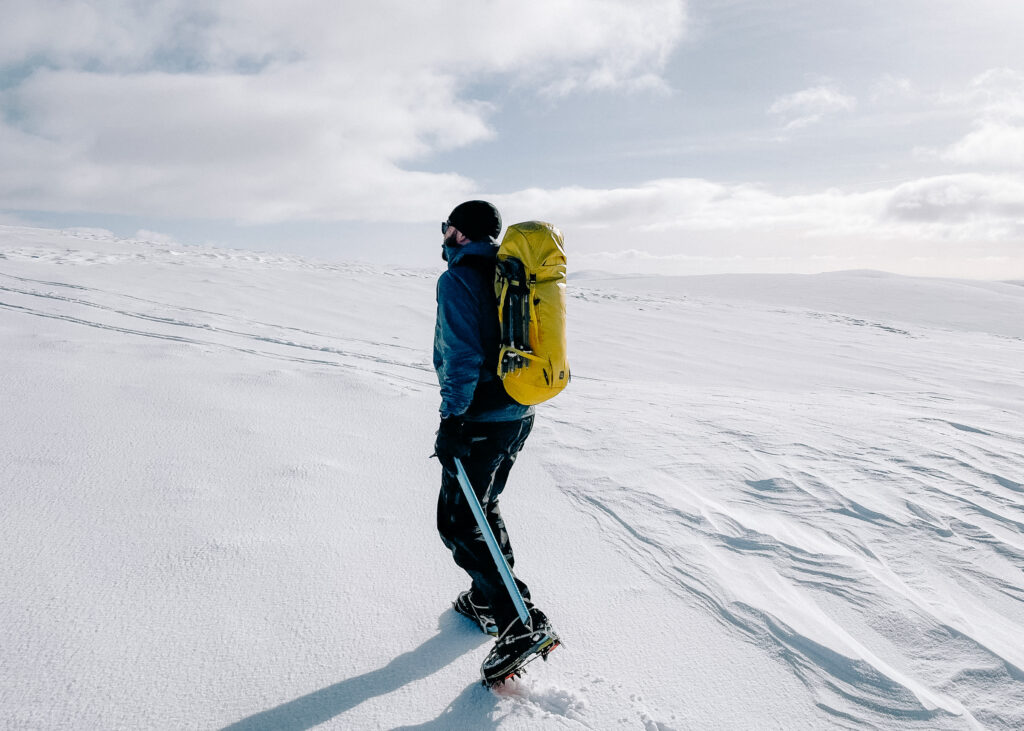
This is a cold-weather pack, so there’s no ventilation, which works well in very cold conditions. However, if you want to use it in summer, you may find the back system a little warm. The fit brings the weight in close to your back, making it comfortable to carry even with a decent load, while also keeping the pack narrow enough not to throw off your balance in dynamic situations.
Features
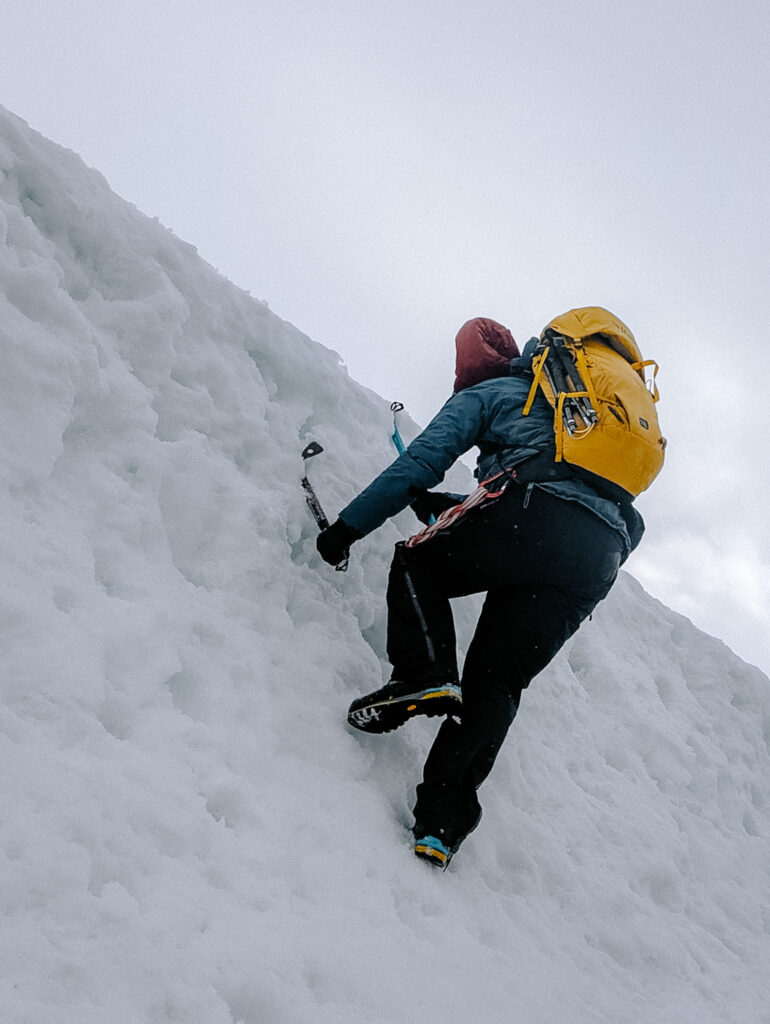
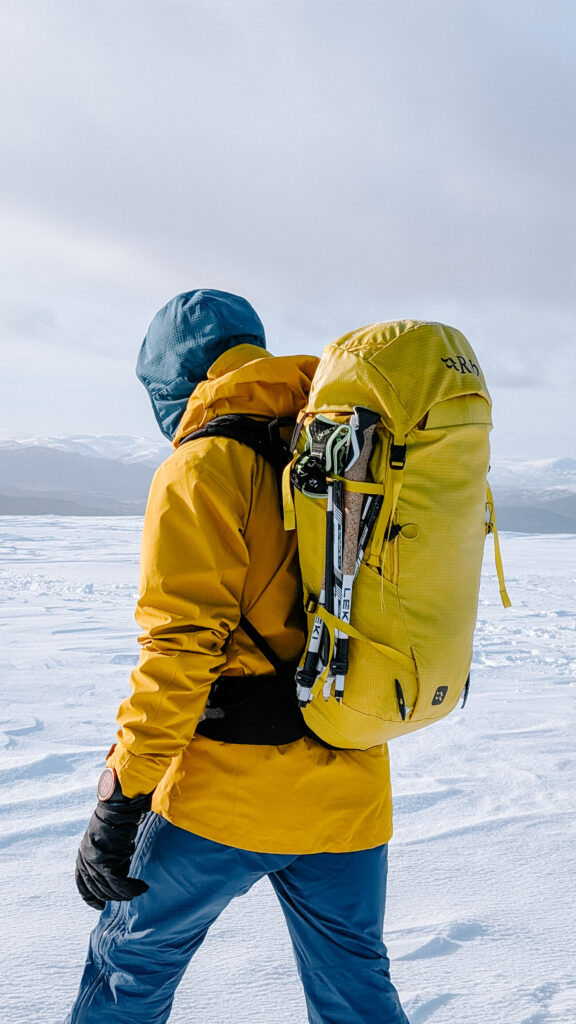
The Ascendor is relatively stripped-back, like most alpine and winter packs, to reduce snag hazards on the outside, and it does this very well. The outer of the pack is sleek, low-profile, and designed to do exactly what it says on the tin. There are two external ice axe points for easy stowing when walking to a climb, along with size compression straps that can hold walking poles or an ice axe for easy access on the move. It might be nice to see a small collapsible cup or holder to sit your axe or poles in for extra peace of mind, though this wasn’t an issue at any point on my trips.
The pack also features RECCO technology, making you searchable in an avalanche or outdoor emergency – a standard tool for rescue teams and ski patrollers worldwide. On one side, there’s a long zip for side access, perfect for getting to your flask or water bottle without emptying your pack. The hip belt includes one pocket and one gear loop, both of which work well, though a little stretch in the hip pocket would be a welcome addition.
Across the top, there’s a rope strap and an adjustable lid, which can be modified depending on your load or completely removed if not needed. Overall, the pack is well-featured, striking a good balance between practicality and simplicity without becoming overwhelming or complicated. If I were to suggest any additional features, a semi-stretchy front pocket for crampons would be amazing, opening up more space inside the pack.
My thoughts in the real world!
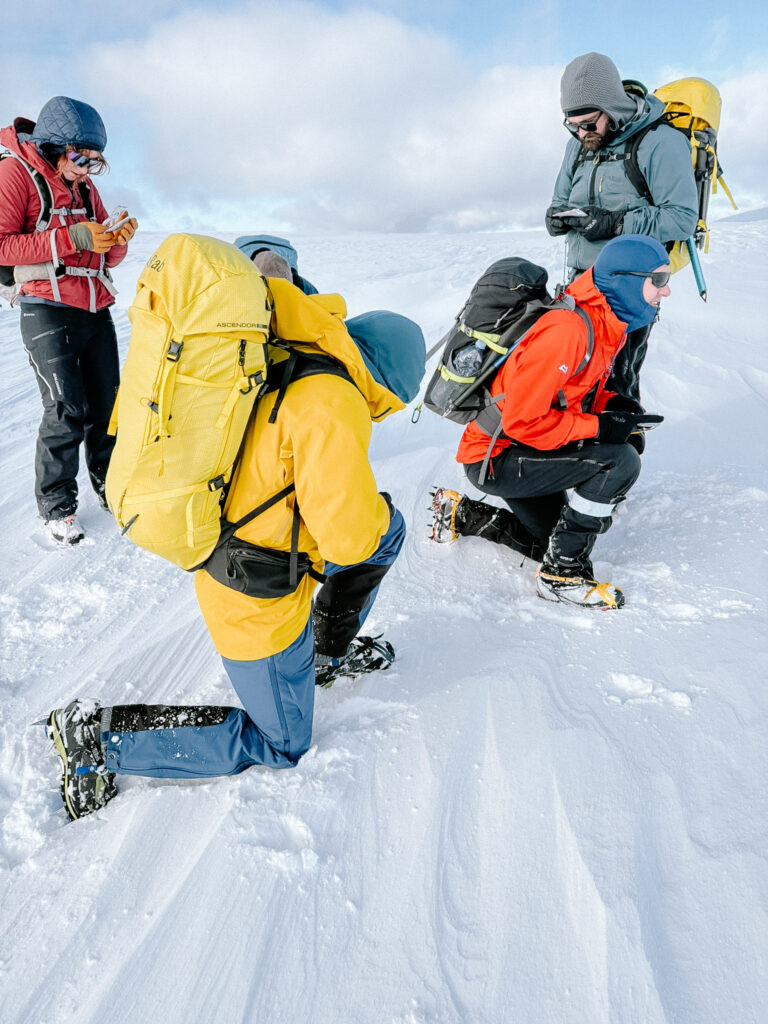
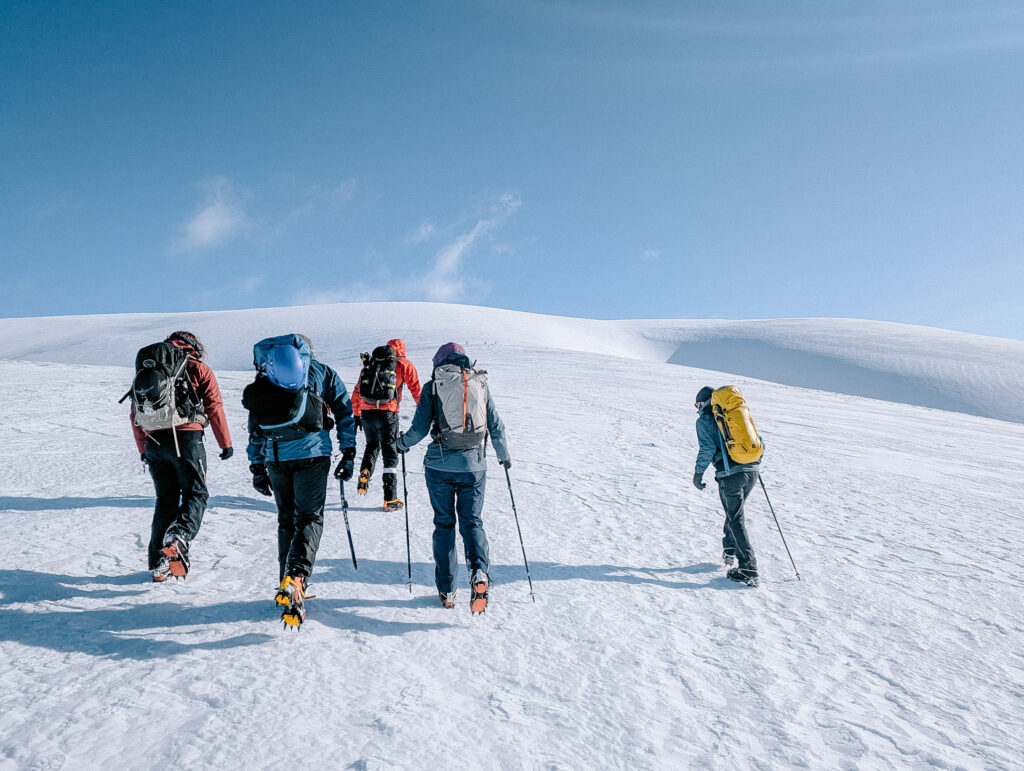
So, what are my thoughts on the pack after a week of hiking and a week on an advanced winter skills course? Overall, I think it’s a great pack. It performs well and has a good variety of features. The fabrics are one of the best parts – it’s a solid investment, and knowing it can take some abuse is reassuring. The water repellency is excellent, helping to reduce weight from absorbed moisture and giving a bit of extra peace of mind on long winter days.
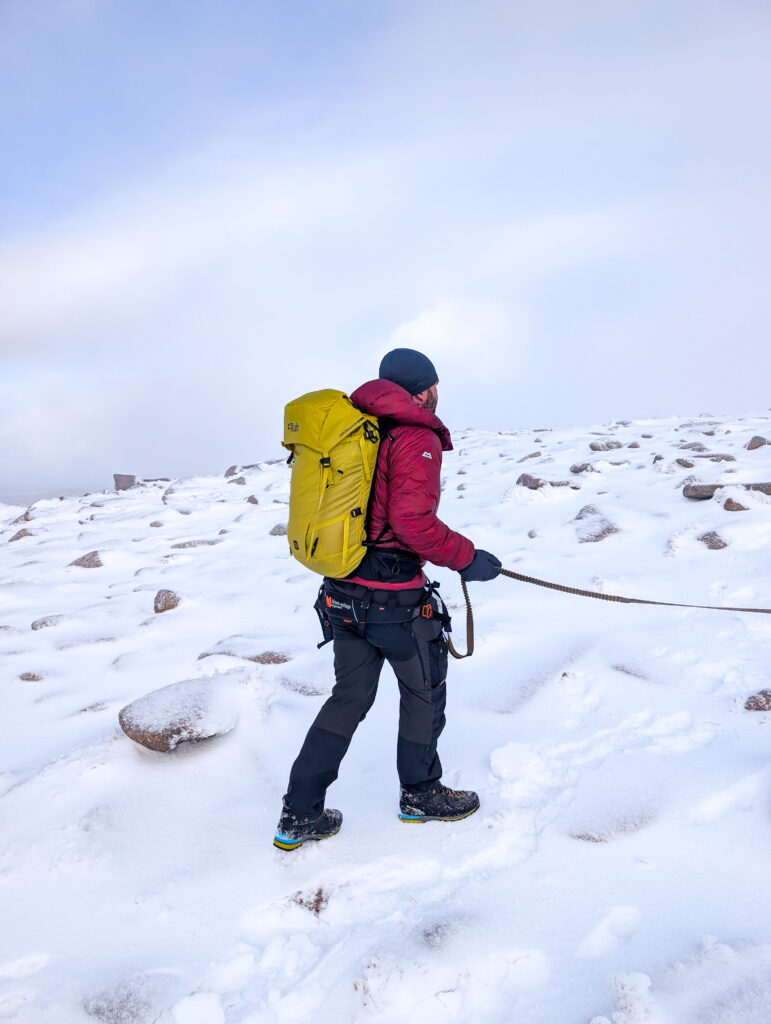
I found the pack very comfortable, with no complaints, which is impressive considering the amount of kit I was carrying. As I’ve mentioned, the pack has a good number of features that are genuinely useful out on the hill. That said, I think a few additions could elevate it even further: colour-coded clips, a bit of stretch on the hip pocket, small pockets to hold poles or the base of an ice axe securely, and a stretchy external pocket for extra storage. These tweaks would make a strong pack even better.
As for space and packability, this is a bit of a balancing act. I really like how the pack feels and how streamlined it is, keeping everything close to your back. That said, the tapered base does make packing a little more thoughtful than usual. Overall, it’s a small price to pay for how much I enjoy the pack and its feel. It’s worth noting, though, that if you carry bulky kit, you might want to consider moving up a size.
Pros & Cons
| Pros | Cons |
| Great shape, keeping the kit close to your body | Tapering makes it a little hard to pack |
| Comfortable | Lack of an external stretch pocket |
| Feature rich but stripped down | Strong and water repellent |
| Great shape, keeping kit close to your body | |
| Stripable to suit your adventure | |
| Great Load carrier | |
| Side zip makes internal access easy |
Final Thoughts
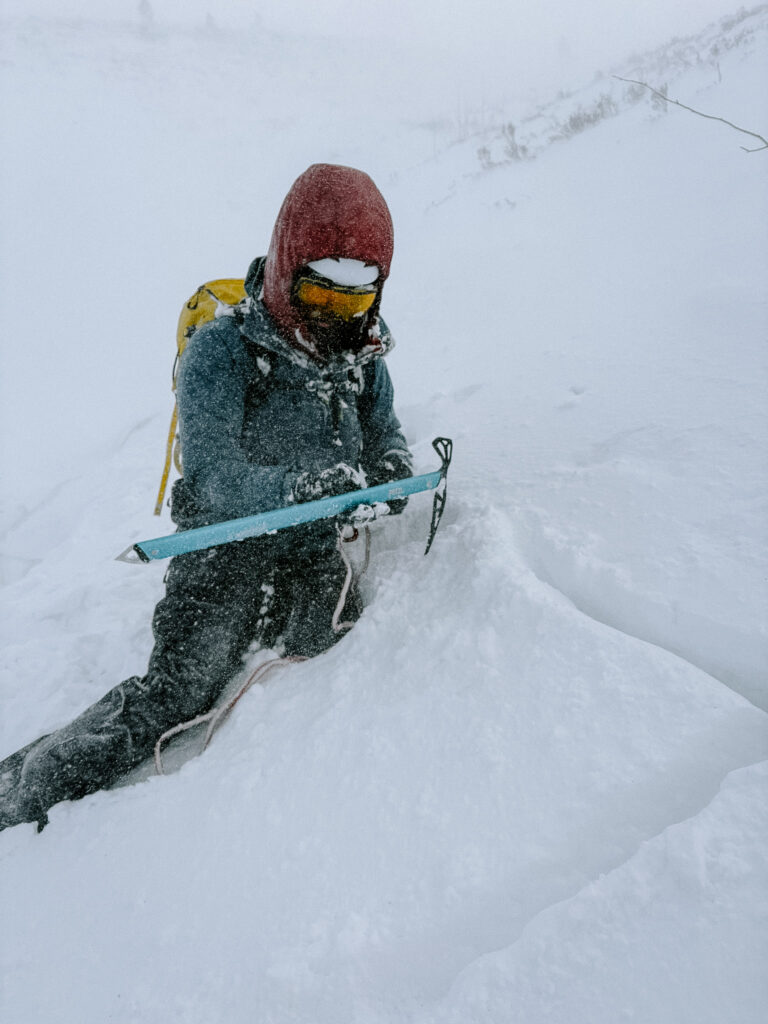
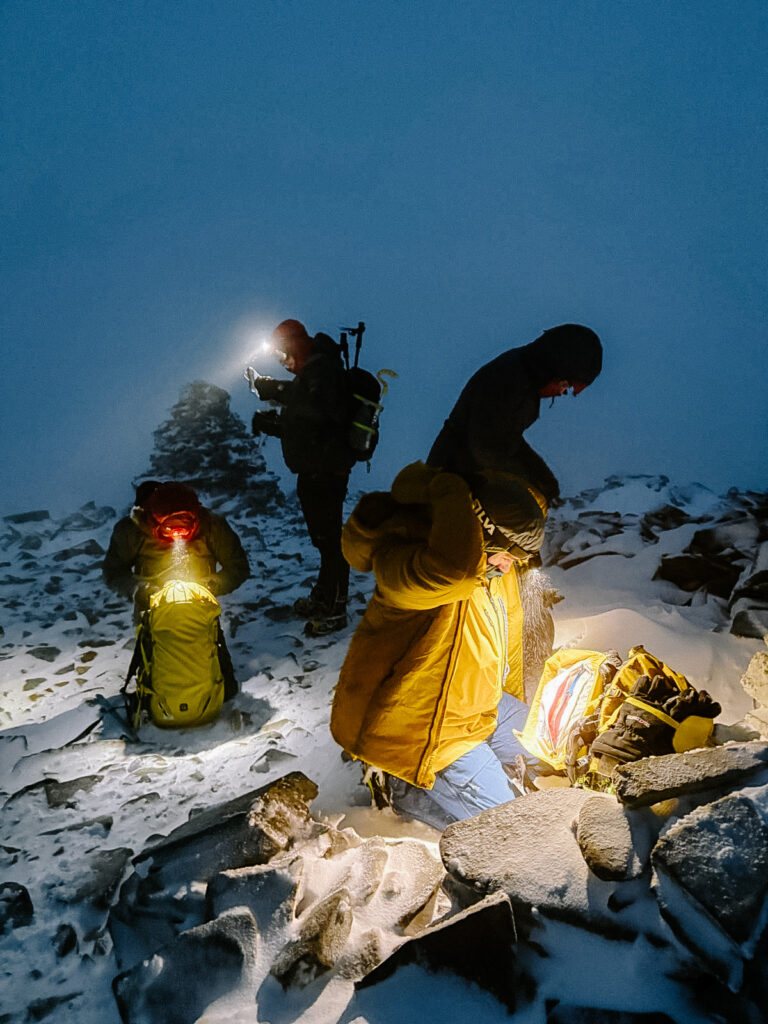
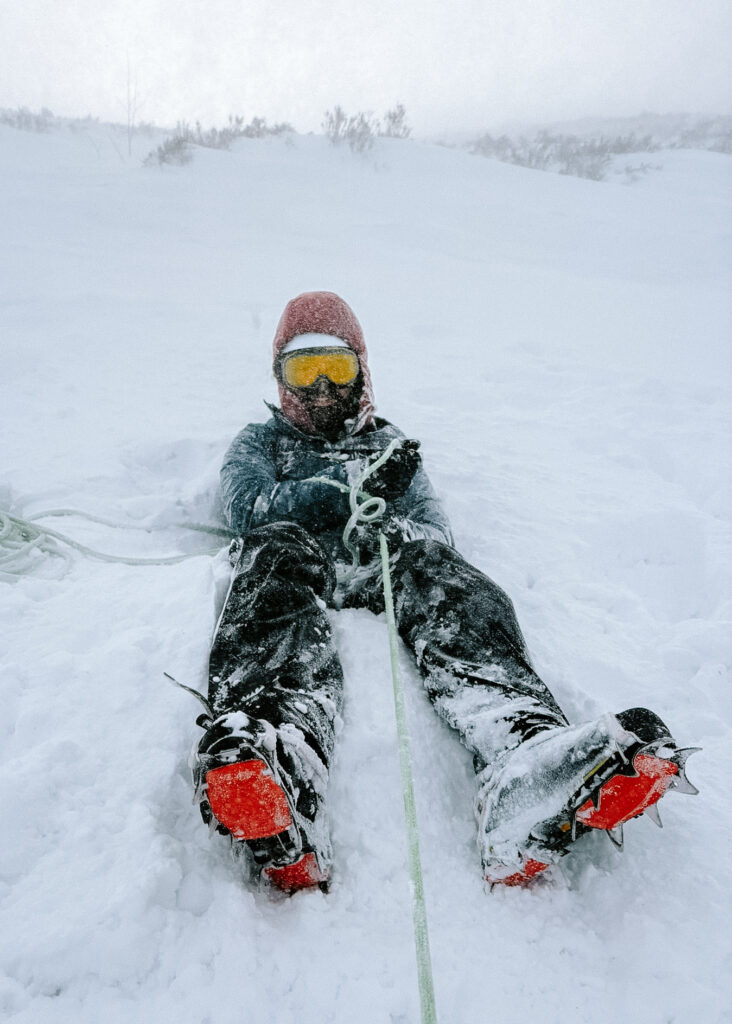
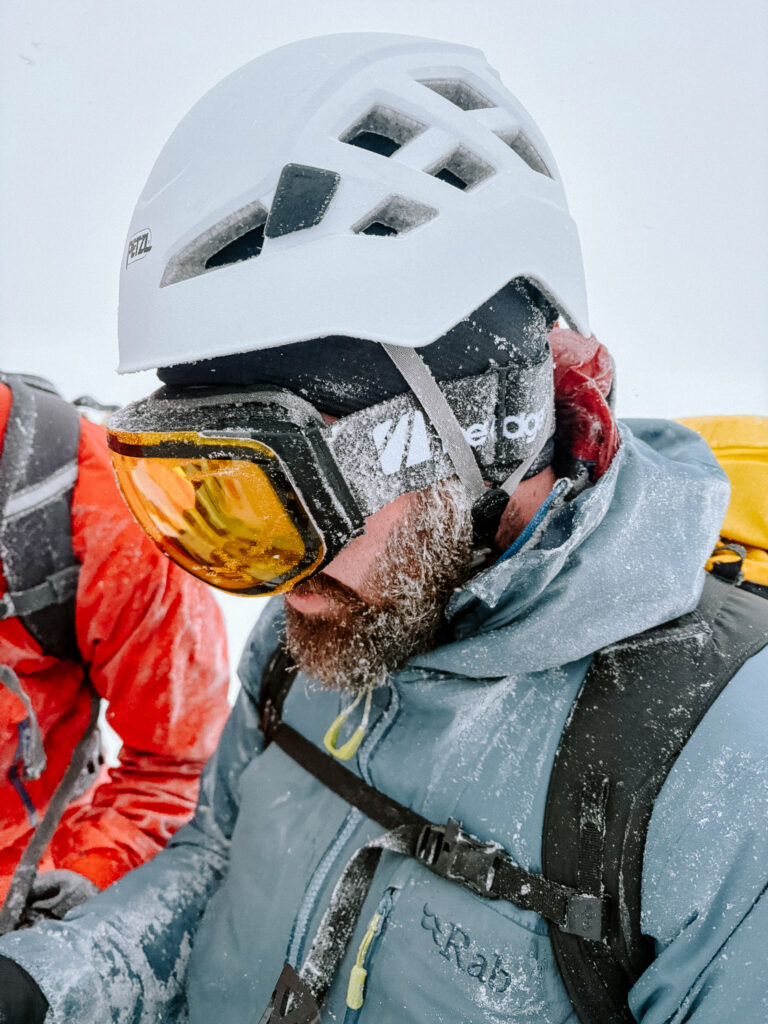
When heading out in challenging conditions, you need to be able to rely on your kit. The Cairngorms, in -15 °C with 50 mph winds and wind-blown snow reducing visibility, is not a place where you want your gear to let you down. The Ascendor kept up with these extreme conditions, providing a durable, comfortable pack that never slowed me down.
I would highly recommend this pack for anyone doing a winter skills, advanced winter skills, or mountaineering course. If you carry compact kit and don’t need extra space, the 35 L is a great choice. If you want a little more room, the 45 L offers that extra capacity without compromising comfort or performance.
Check out our video on the Rab Ascendor range below
Pick up a pack for yourself