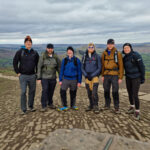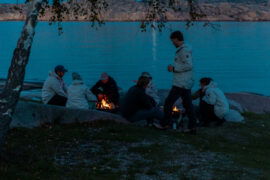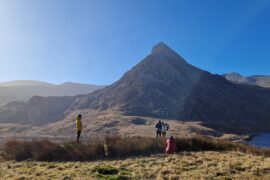
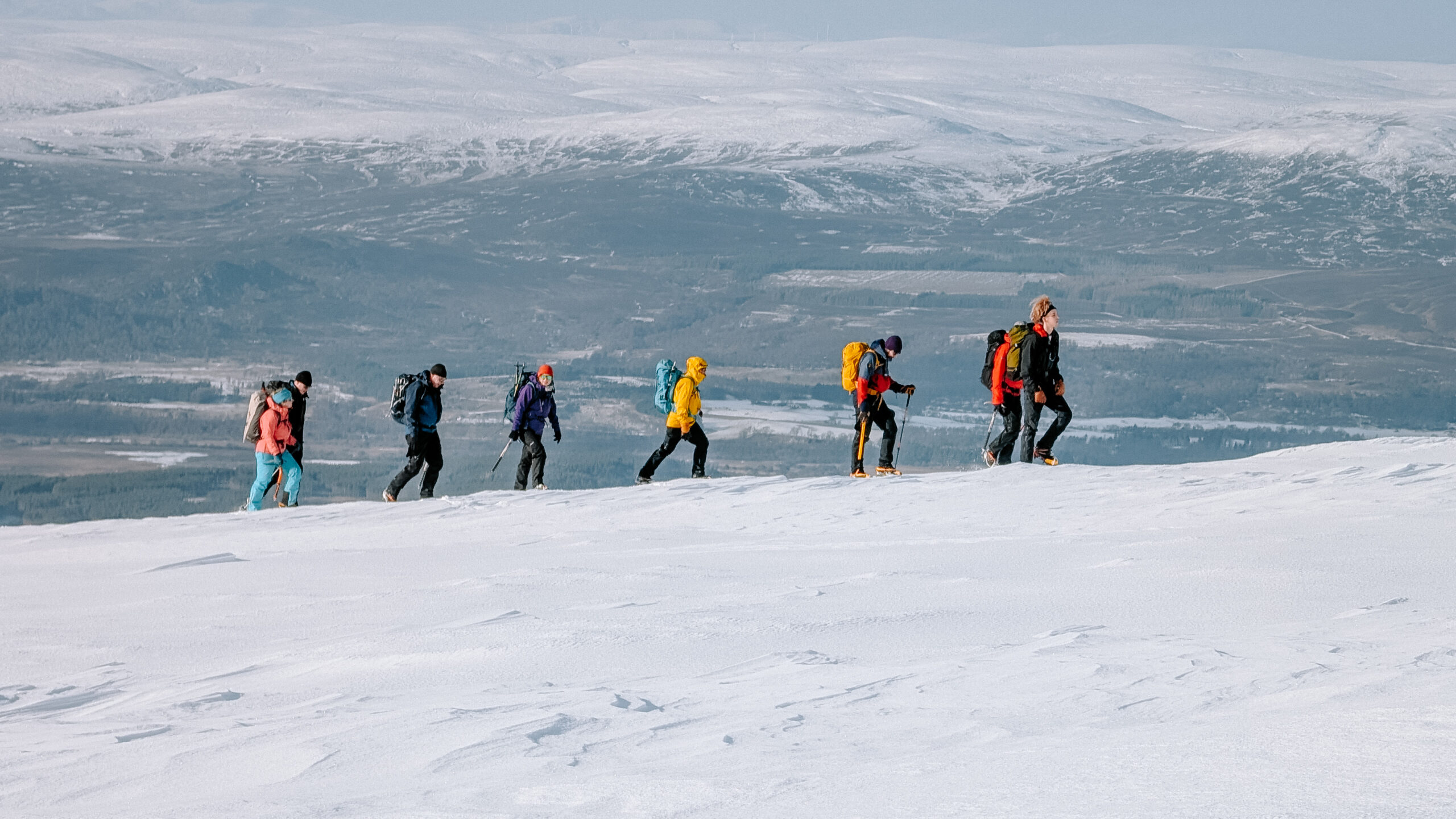
Recently, a colleague and I took some annual leave and made the ten-hour drive from Devon to the Cairngorms to take part in an Advanced Winter Skills course at Glenmore Lodge.
In the lead-up to the trip I spent some time researching the course online, hoping to get a clearer picture of what it involved and what the experience might be like day to day. Surprisingly, there was very little detailed information available beyond the official outline. Because of that, I thought it would be useful to share a brief overview of the course from a participant’s perspective. What the week involved, the kit I used, and why a course at Glenmore Lodge is well worth considering if you want to develop your winter mountain skills.
What is an Advanced Winter Skills Course?
The Advanced Winter Skills course builds on the foundations taught in the Introduction to Winter and the standard Winter Skills courses. It assumes you already have a basic level of winter hillwalking experience, including fundamental navigation, confidence using an ice axe, and a solid understanding of the equipment required for winter conditions.
From that starting point, the course moves into more advanced techniques and decision-making in the winter mountains. Over the week, you cover topics such as snow holing, avalanche awareness, advanced navigation in complex terrain, more technical ice axe work, and an introduction to basic rope work.
The aim is to develop the skills needed to travel more confidently and safely in serious winter conditions, while also giving you a better understanding of the snowpack, terrain, and the risks involved in winter mountaineering.
It’s important to understand that this course is designed for your development – it isn’t a test. The aim is to help you build new skills while refining the ones you already have.
At the start of the week you sit down with your instructor and the rest of the group to discuss your experience and the specific skills you’d like to work on. From there, the instructor shapes the course around those goals. This approach makes the training highly adaptable, ensuring the days on the hill focus on the areas that will be most useful to you.
We were lucky enough to have Charlie Chambers as our instructor. She splits her year between working in Devon and Cornwall during the summer and the Cairngorms through the winter, so she brings a huge amount of experience from very different mountain environments.
Charlie was excellent throughout the course. From the outset it felt like we were genuinely listened to, and the week was clearly shaped around the goals and skills we had discussed at the start. That flexibility meant the course felt highly personal rather than following a rigid structure, allowing us to focus on the techniques and knowledge that were most valuable to us.
What kit did I use
As a kit supplier, we know just how much difference the right equipment can make in the hills. Take the wrong kit, and what should be an enjoyable day can quickly turn into a miserable one—especially when you’re facing high winds and bitter cold for seven or more hours.
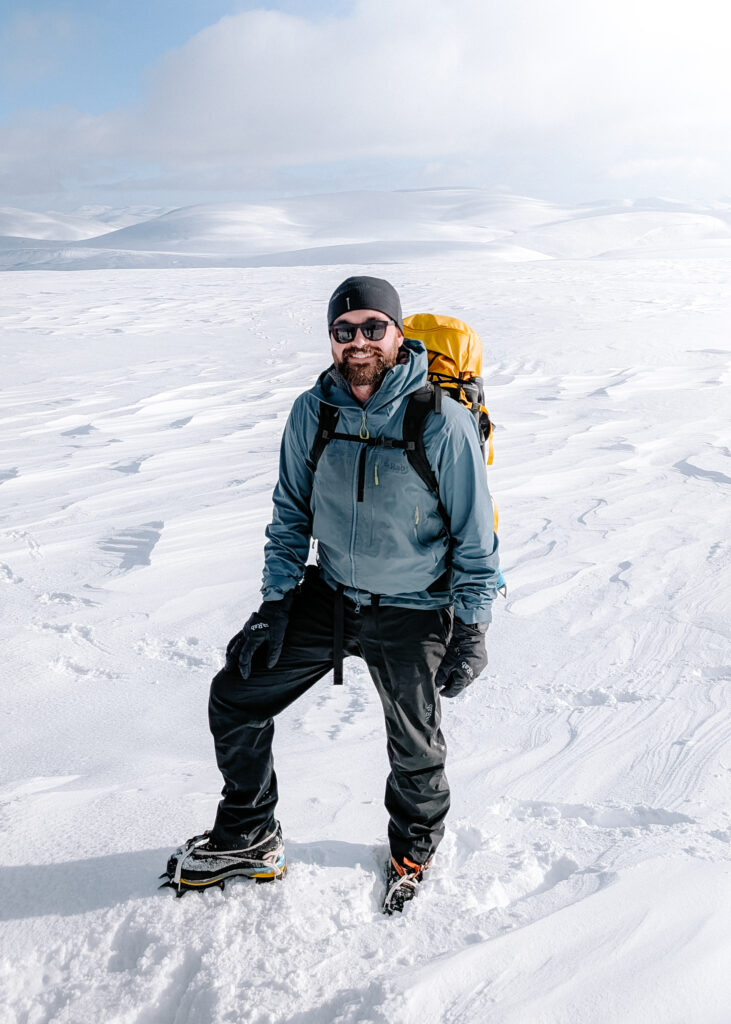
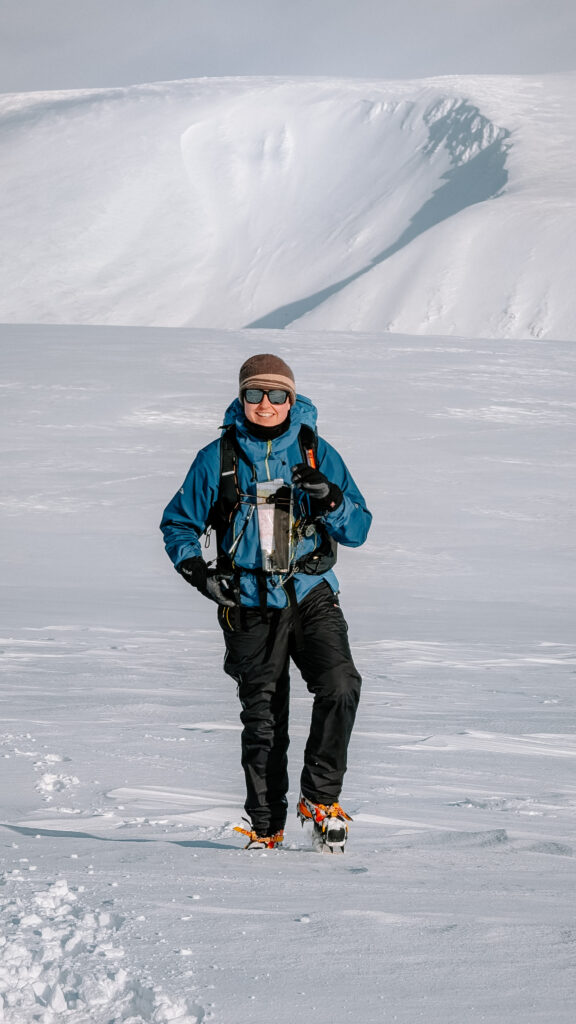
Below is a rough list of the kit I had with me on the hill and what I carried on my person. In addition to this, it’s worth packing some comfortable clothes for the evenings, whether you’re relaxing in the bar or attending the evening lectures, which offer even more insight into topics like avalanche safety, advanced navigation, and other essential winter skills.
| Waterproof Jacket | Rab Latok Mountain GTX |
| Waterproof Trousers | Rab Latok Waterproof Trousers |
| Main Synthetic Jacket | Mountain Equipment Oreus Insulated Jacket |
| Extra Synthetic Jacket | Rab Xenair Alpine Insulated Jacket |
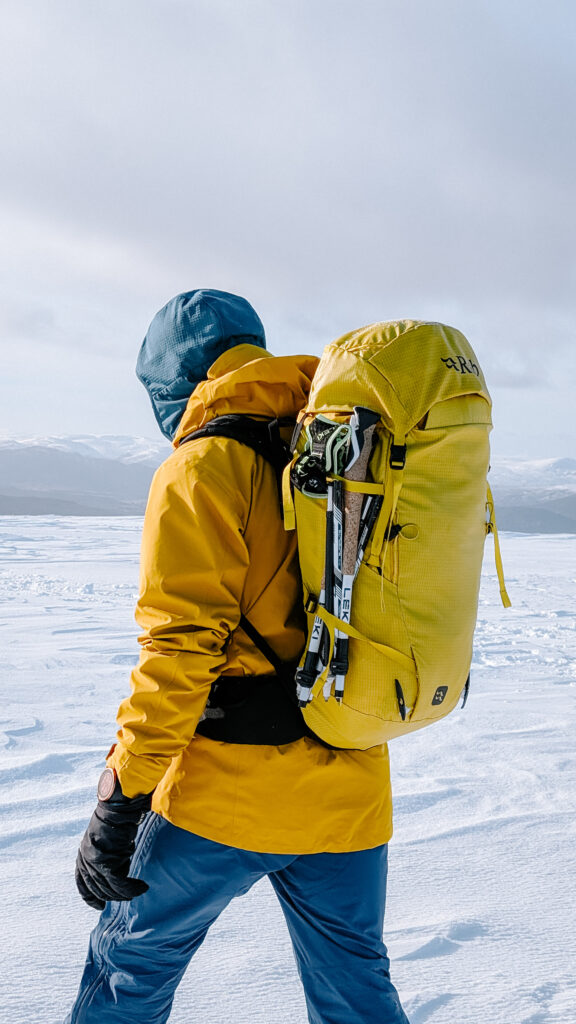
| 35L+ Rucksack | Rab Ascendor 35 Rucksack |
| Fleece x3 | Patagonia R1 Air Patagonia R1 Techface Mountain Equipment Micro Zip T |
| B2 Boots | Scarpa Zodiac Tech GTX |
| BaseLayers x 5 | Montane Mens Dart Zip Neck |
| Thermal Tights | Montane Mens Malli Tights |
| Hiking Trousers | Mountain Equipment Mens Ibex Mountain Trousers |
| Ski Goggles | |
| Ice Axe | Petzl Glacier Ice Axe |
| Hiking Poles | Leki Makalu Trekking Poles |
| Crampons | Grivel Air Tech Dual Matic EVO Crampon |
| Buff | Buff Original EcoStretch Buff |
| Large Waterproof Gloves | Rab Cresta GTX Gloves |
| Liner Gloves | Rab Flux Liner Gloves |
| Hat | Montane Protium Beanie |
| Compass | SILVA Expedition 4 Compass |
| Dry Bags | Sea To Summit Lightweight Dry Bag |
| Water Bottle | Nalgene HDPE Wide Mouth Bottle – 1L |
| Flask | YETI Rambler 36oz Bottle |
It’s worth noting that Glenmore Lodge has an extensive kit room, so you don’t need to rush out and buy every piece of equipment yourself. Technical items like ice axes, crampons, ropes, and shovels can all be borrowed for the course, which makes preparing much easier.
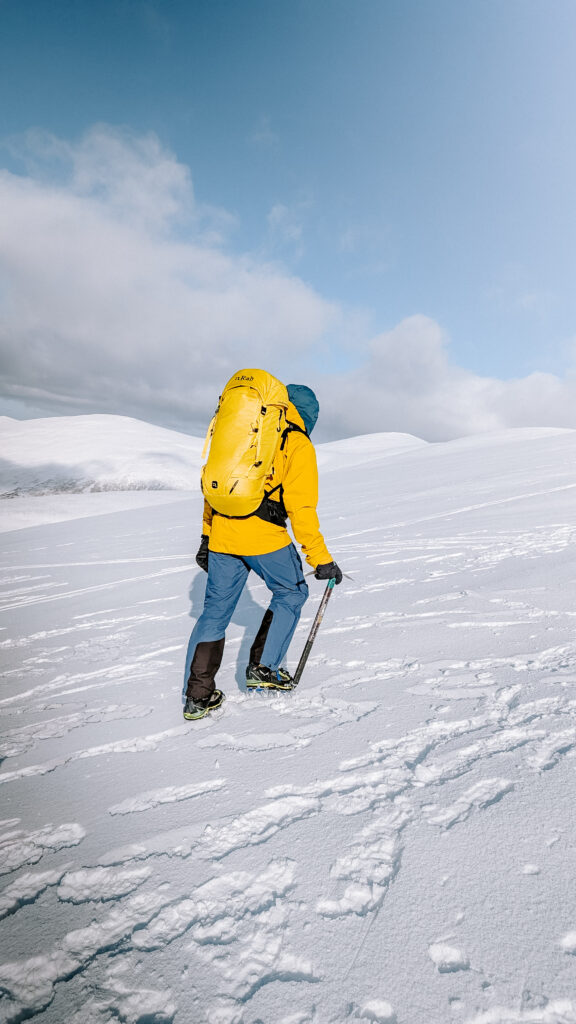
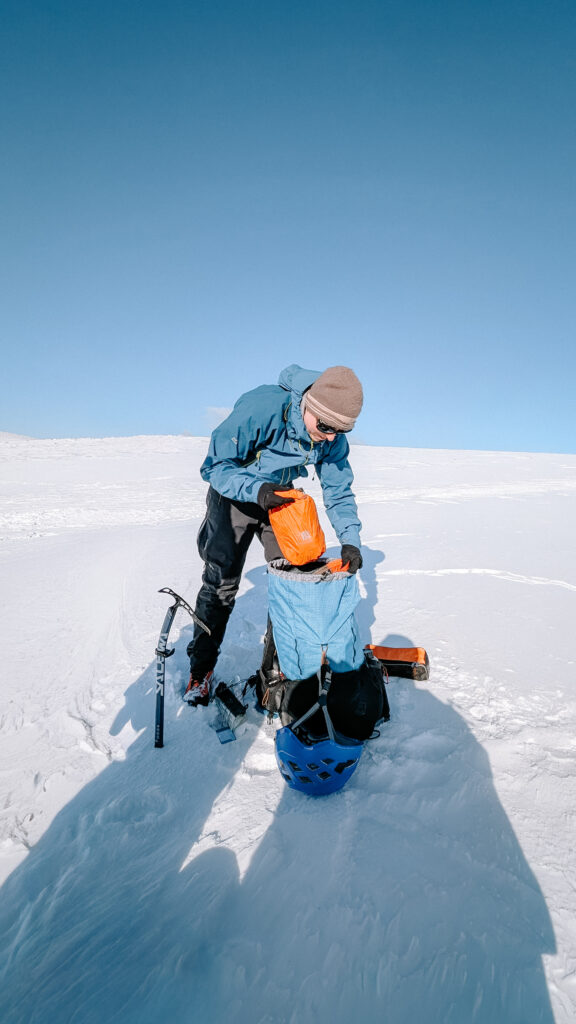
On a personal note, I tend to run warm, so if you’re more sensitive to cold, you may want to bring additional layers. My approach was to pack enough kit to adapt day by day without overpacking, making sure I had options to stay comfortable without having to live in the same fleece all week.
What to expect on your course
The Advanced winter skills course runs over 5 days (Monday – Friday) and the hours you are our are normally between 09:00 and 16:30. However, this can be different depending on some factors we will discuss later. If you stay at the lodge, breakfast is included, and if you’re on the course, you can collect a packed lunch before you head out.
Day 1
Day one is an introduction and shake-out day. At 09:00, we met in the classroom to meet our instructor for the week, Charlie, and the rest of our team. We started by talking through each person’s experience and what they hoped to get out of the course. Once that was done, we agreed on some key learning objectives for the week. (These may be different for you and your group.) Ours were: planning a winter day out, winter navigation in challenging conditions and at night, rope work, snow holing, and advanced movement in winter.
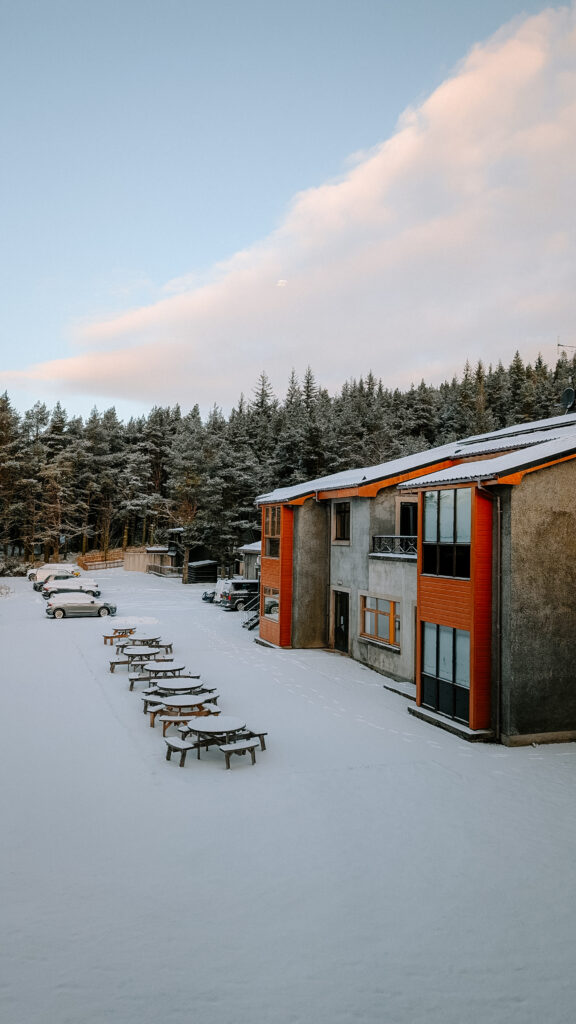
Once the objectives were set, Charlie ran us through the kit she’d be carrying, making sure everyone was happy and familiar with it before moving on to something very important—reading and understanding the weather and the avalanche forecast. This would become a recurring theme throughout the week before we headed out on the hill.
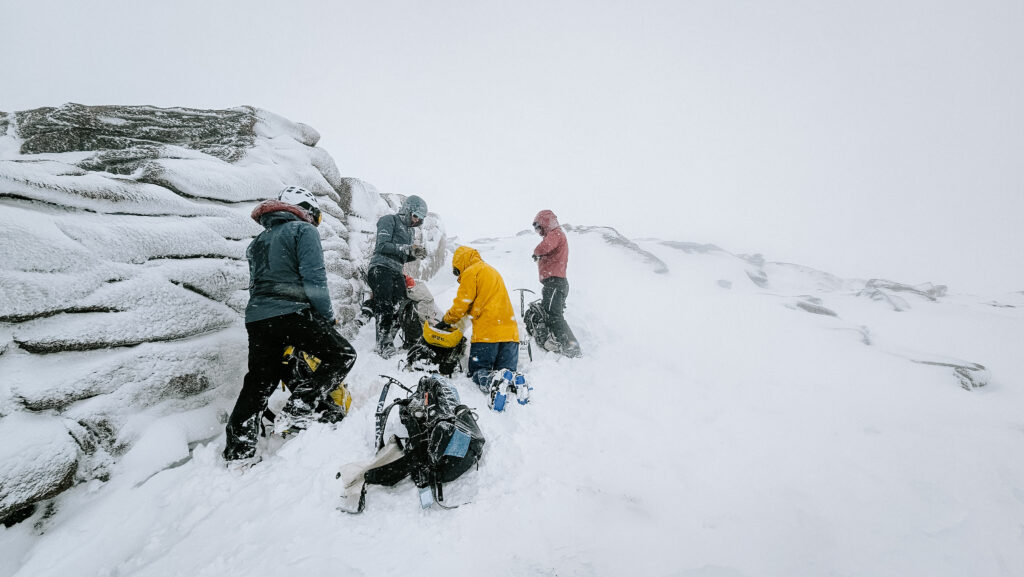
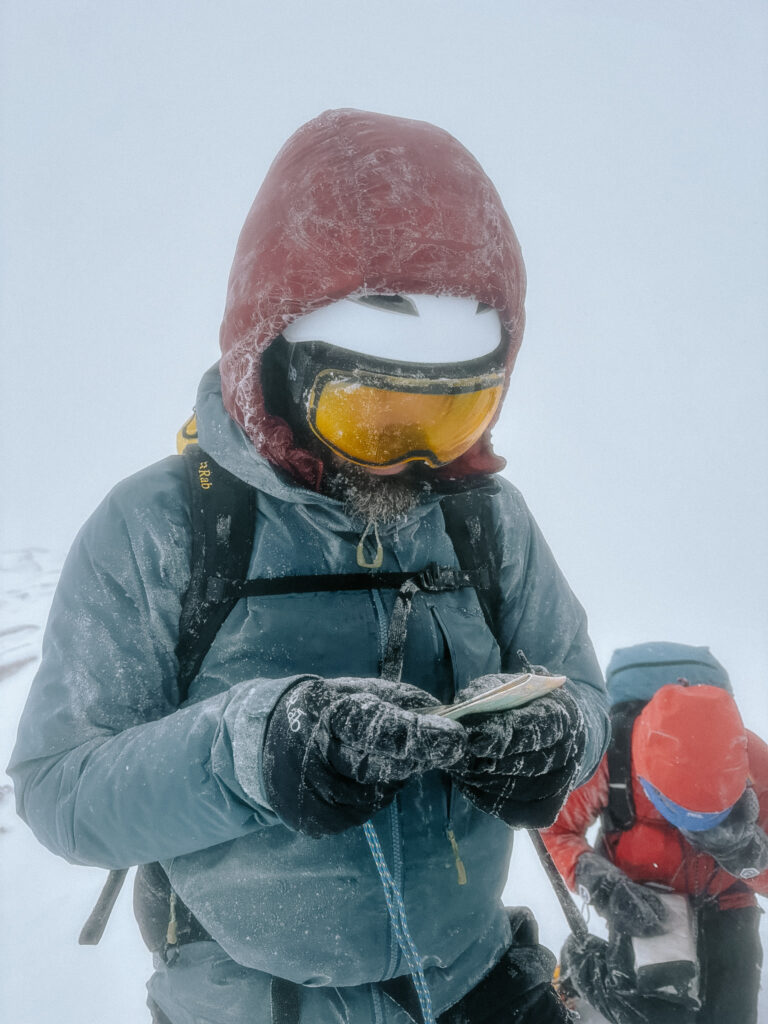
By around 10:00 we made our way to the ski centre and did a 6km loop, focusing on the fundamentals of avalanche safety, key navigation skills in white-out conditions, pacing, bearings, and walking efficiently in winter terrain. As I mentioned, this first day was also a shake-out, giving us a chance to test our kit and make any adjustments. We returned to the lodge at 16:30 for cake and a debrief, before having some free time to relax in the evening.
Day 2
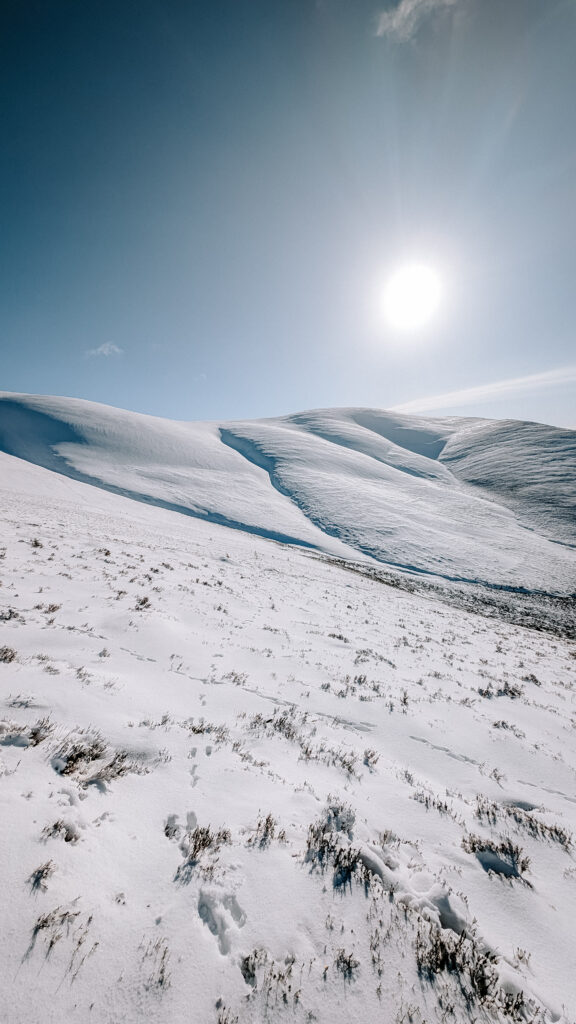
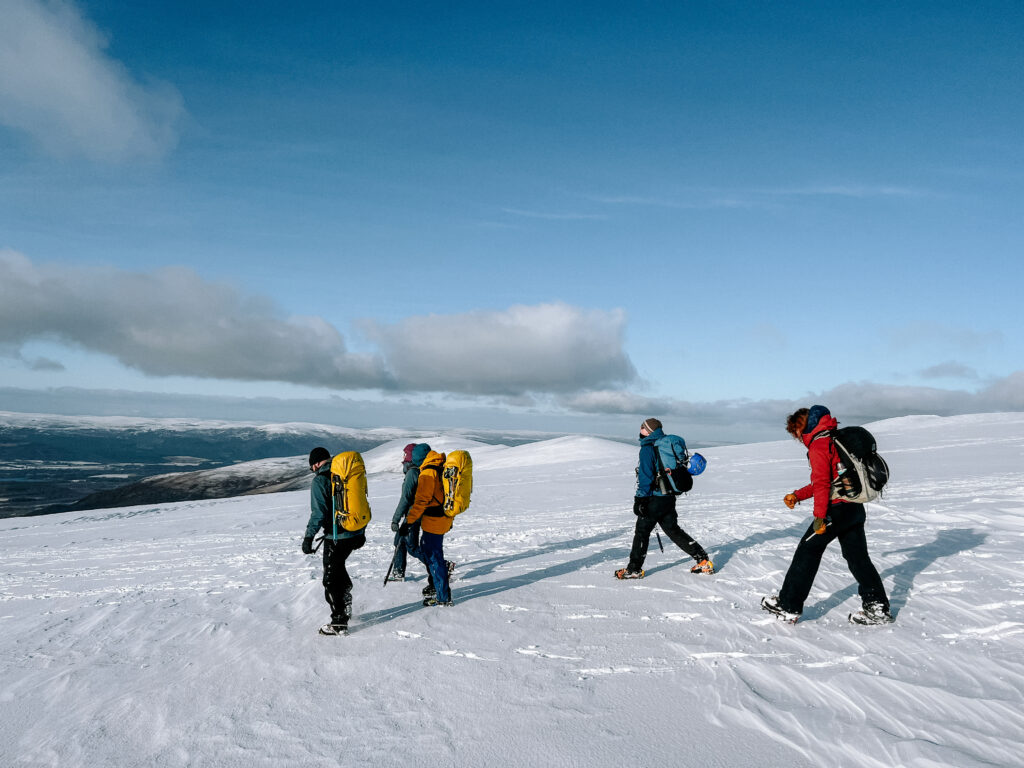
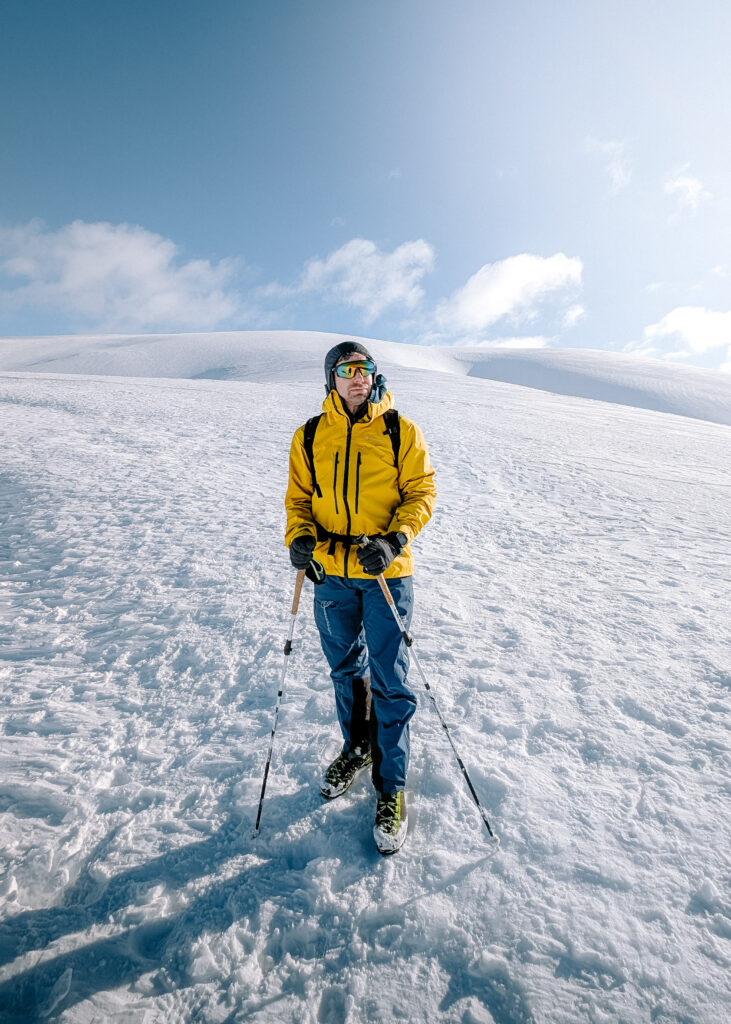
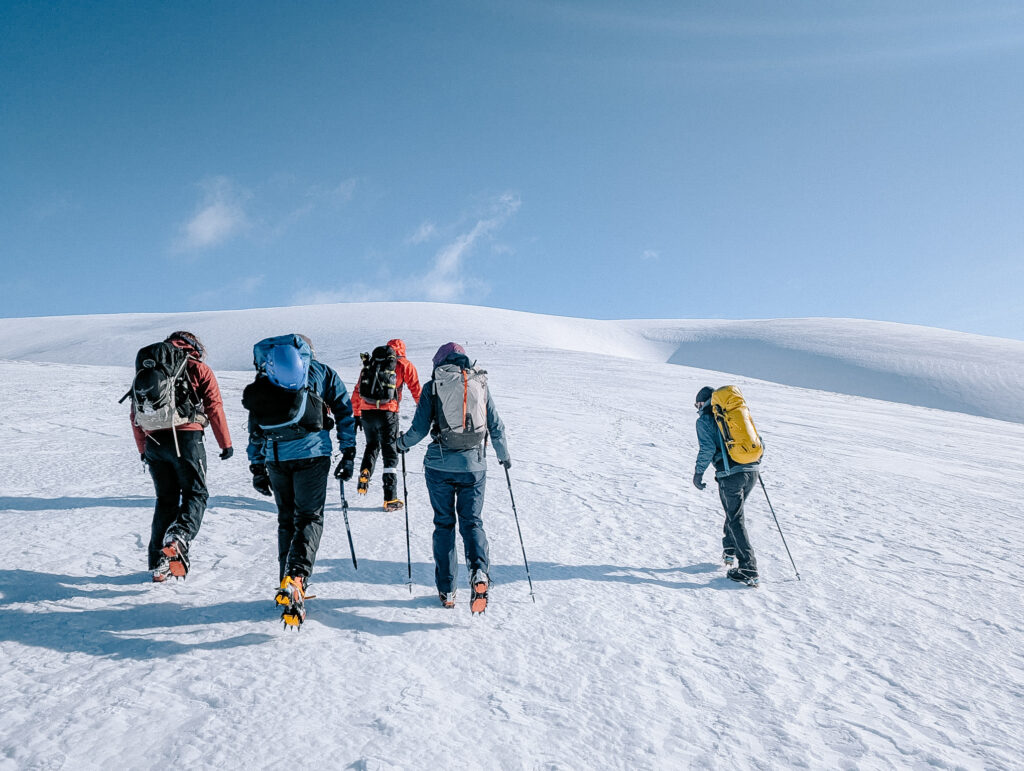
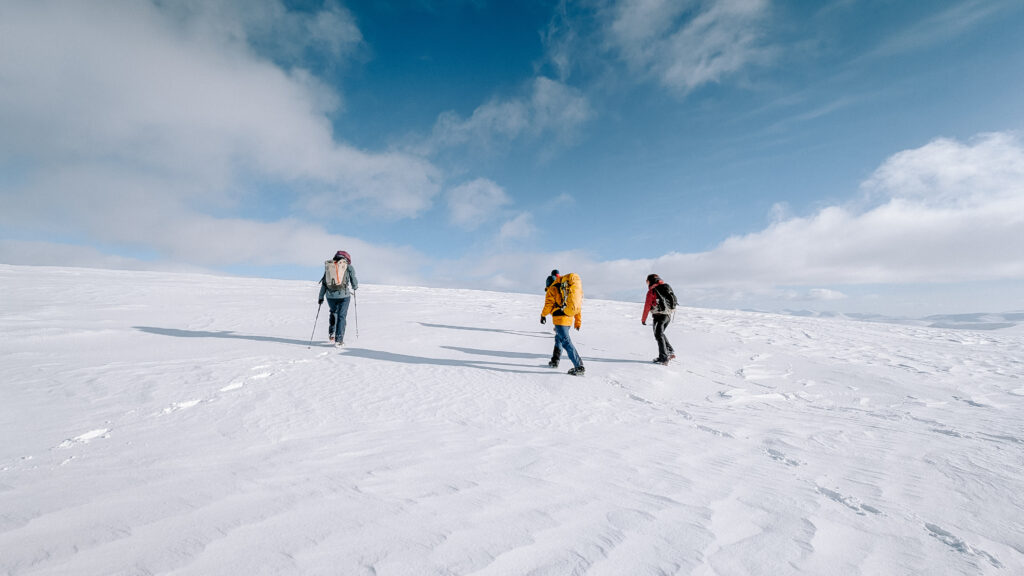
Day two started in a similar way, but without the need for introductions. We came in with our interpretation of the weather and avalanche risk, and Charlie talked us through it and explained what it would mean for the day. Tuesday turned out to be the nicest day of the week, with clear blue skies, so we decided to make it a journey day.
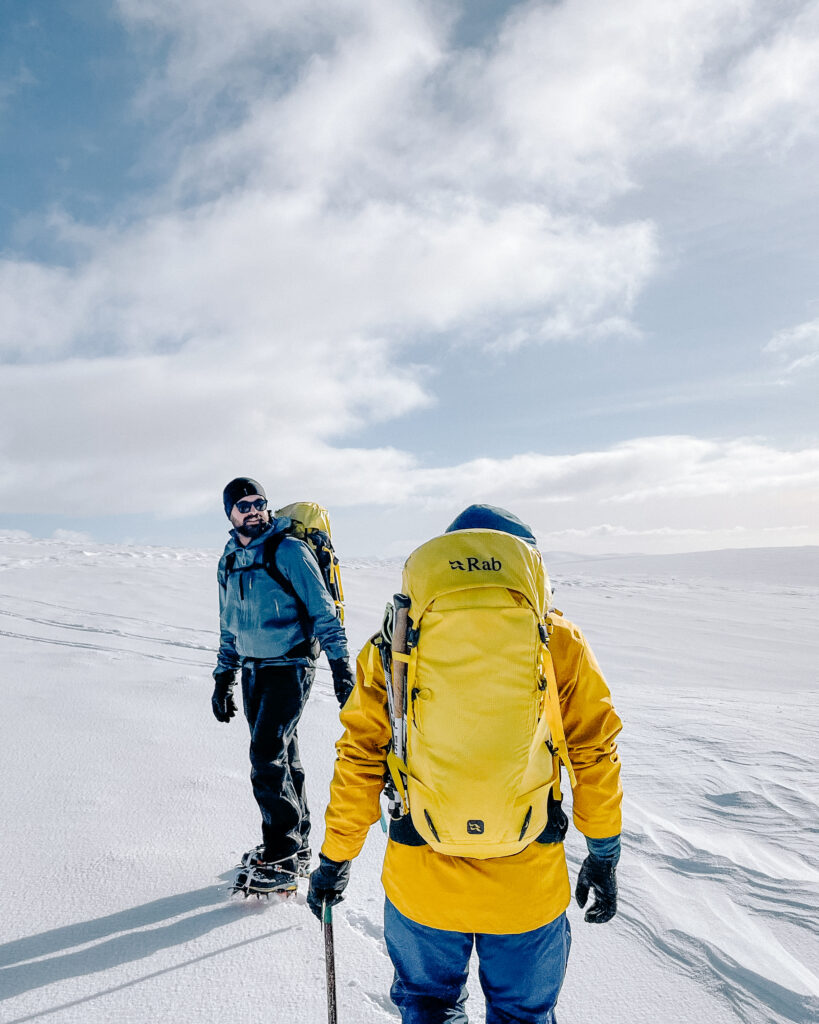
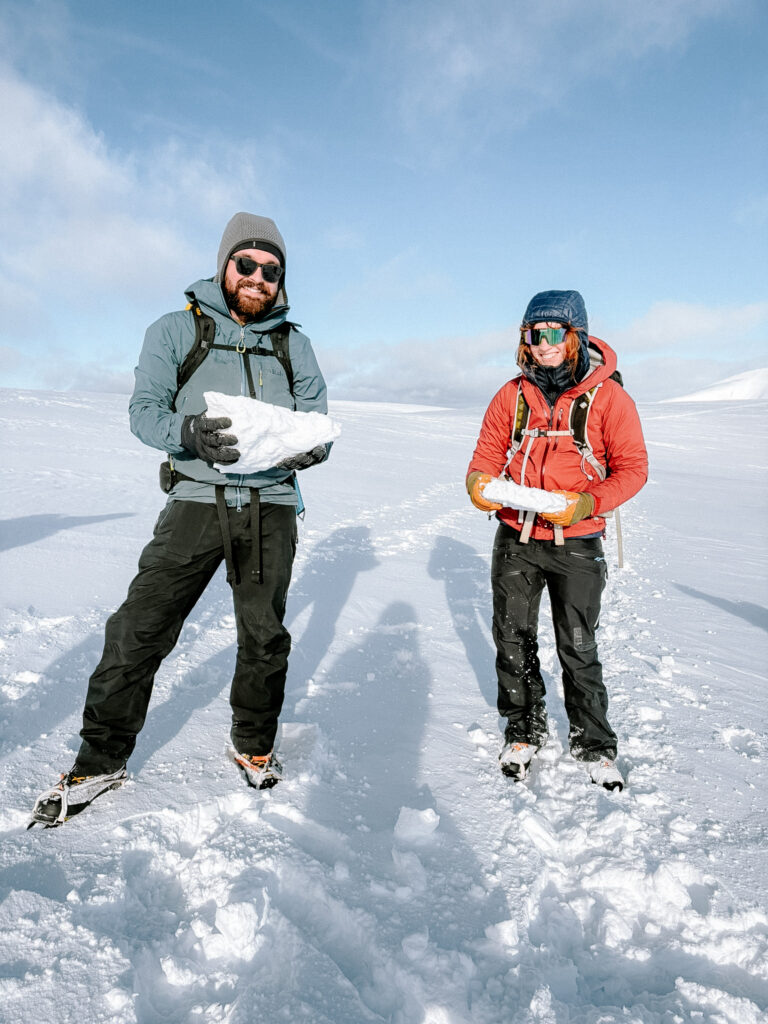
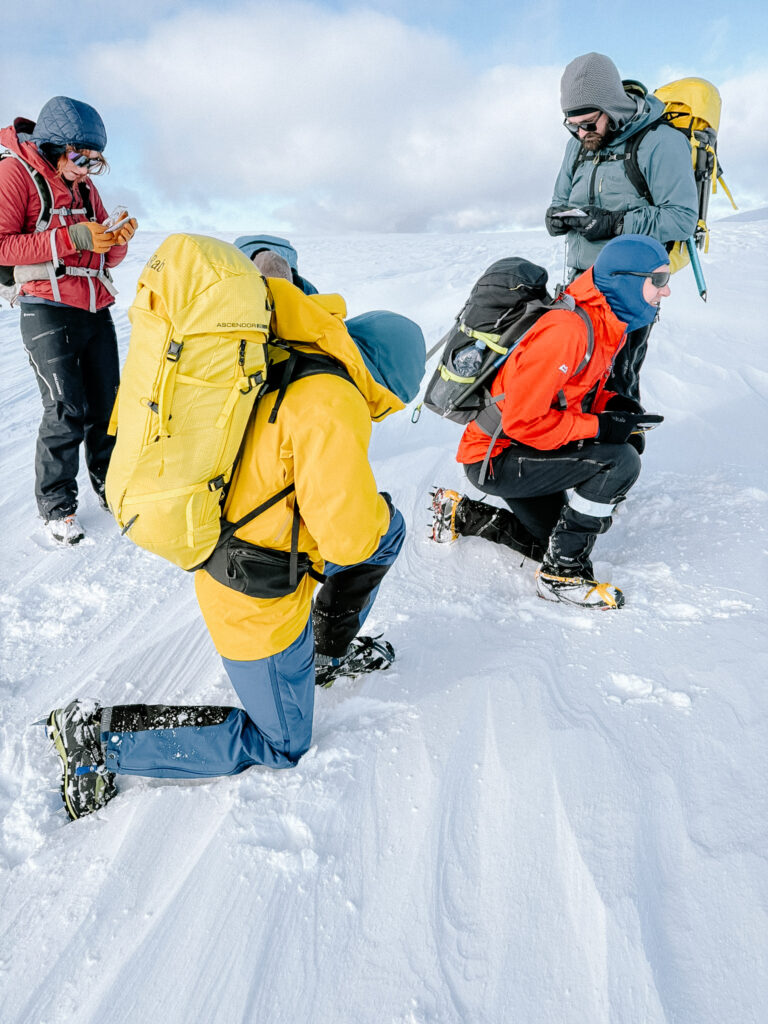
We focused on basic walking skills, and with the excellent visibility, we could study avalanche risks visually—looking at features in the terrain and discussing what they meant. We also built on our navigation skills, but mostly it was a relaxed day in the Scottish mountains, giving us the chance to consolidate the techniques we’d learned previously and discuss them in more depth, all while enjoying the scenery.
Day 3
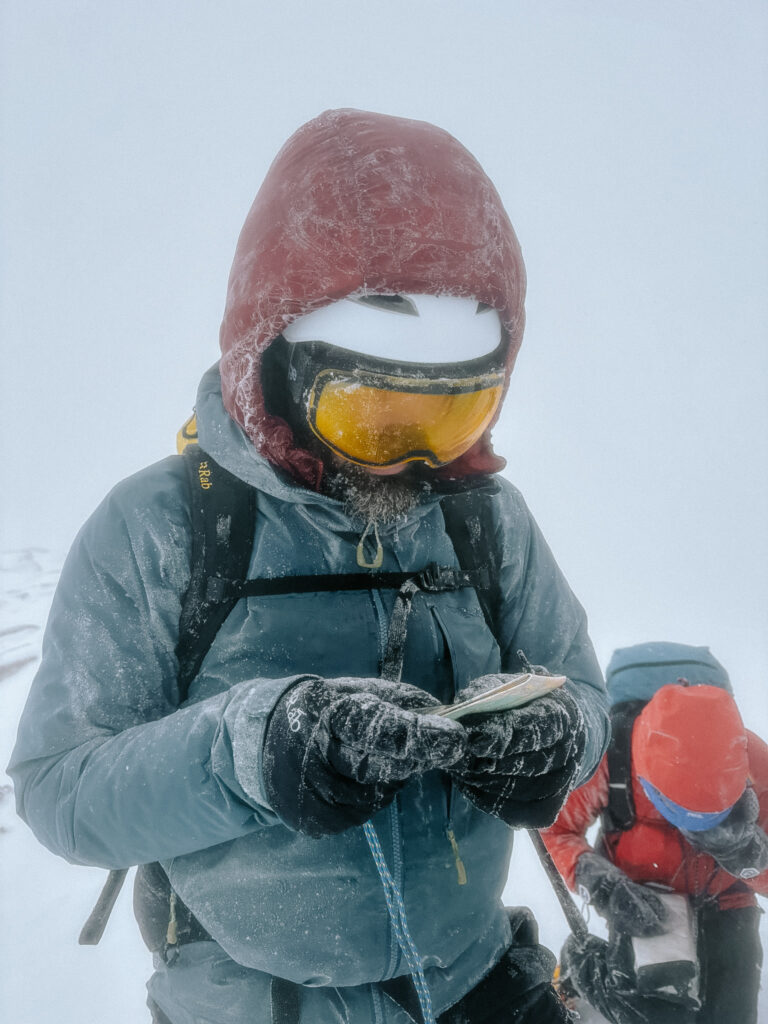
Day three was by far the most brutal weather day. Avalanche risks were high, and the wind was so strong it closed the road up to the ski centre. This meant we had to hike up the road to reach the snow line. Given the conditions, we decided it was a good day to focus on rope skills at a lower level, as venturing further up the mountain would have been too risky.
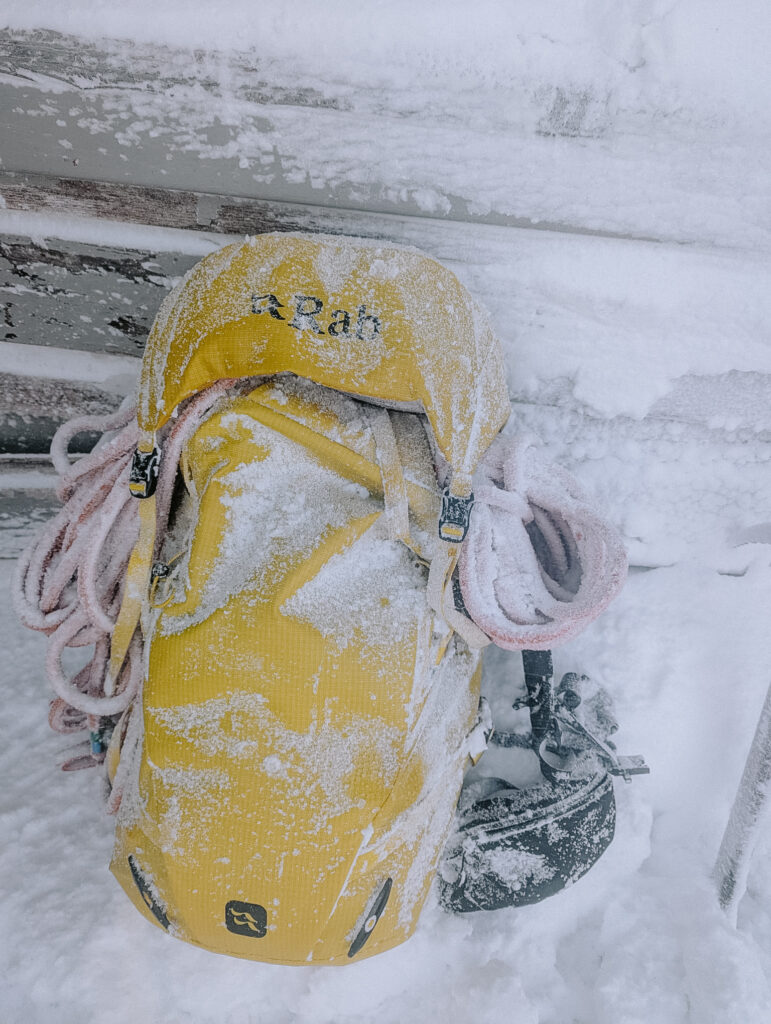
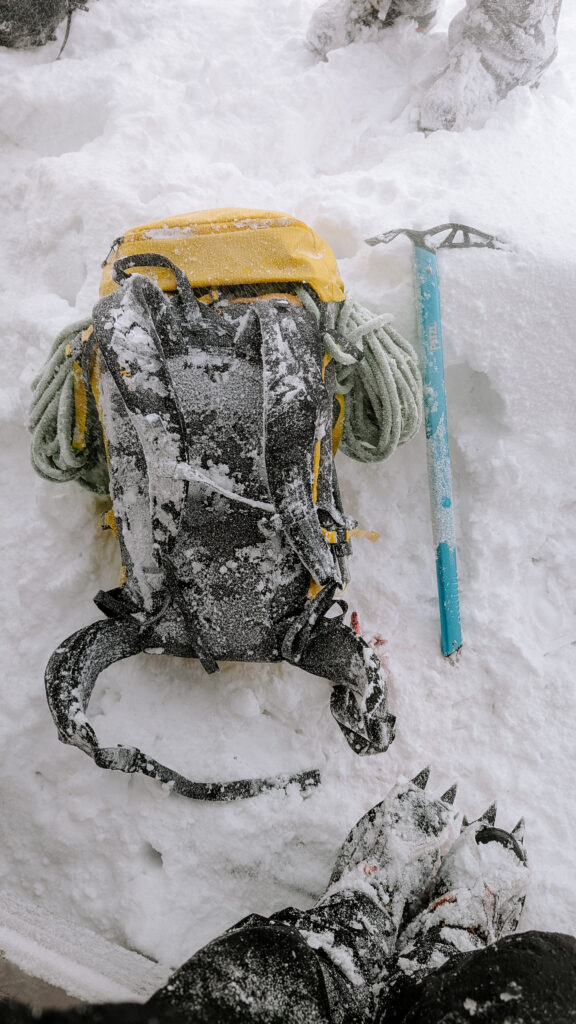
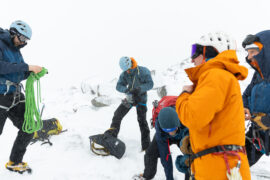
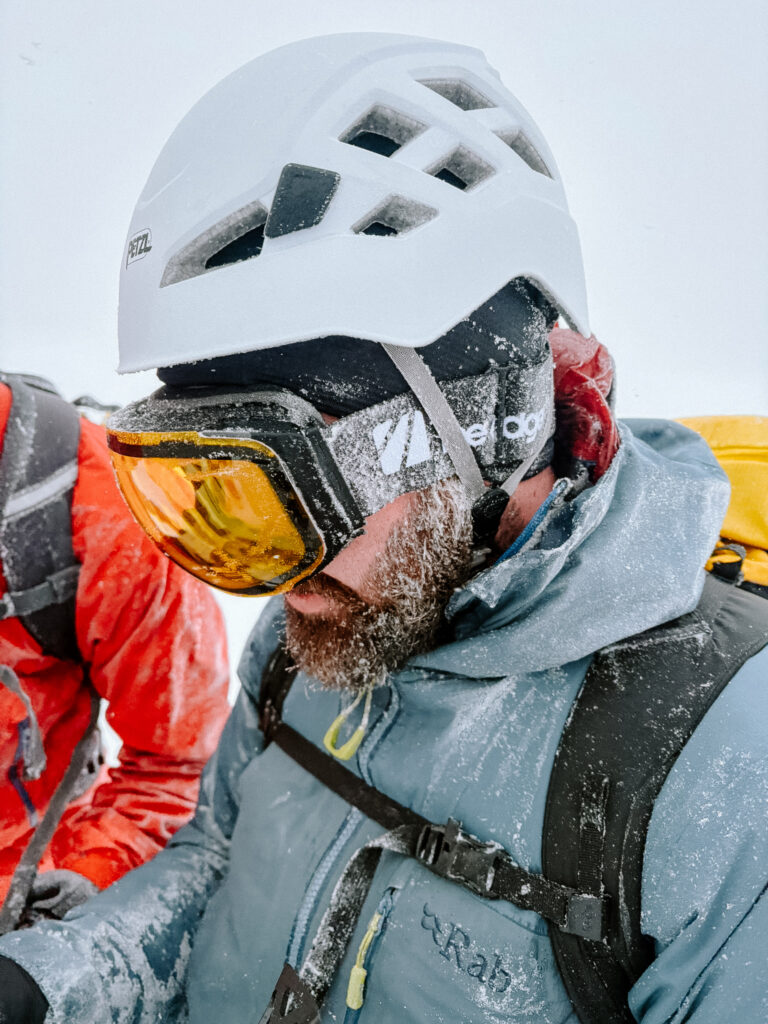
I really enjoyed this day-the weather was a serious challenge, pushing my kit to its limits and, if I’m honest, reassuring me that my layering system and pack layout were spot on. The rope work was excellent: practising abseils, learning about anchors, and working safely in very challenging conditions. It was a great demonstration of how quickly the weather can change and just how important good kit and kit management are.
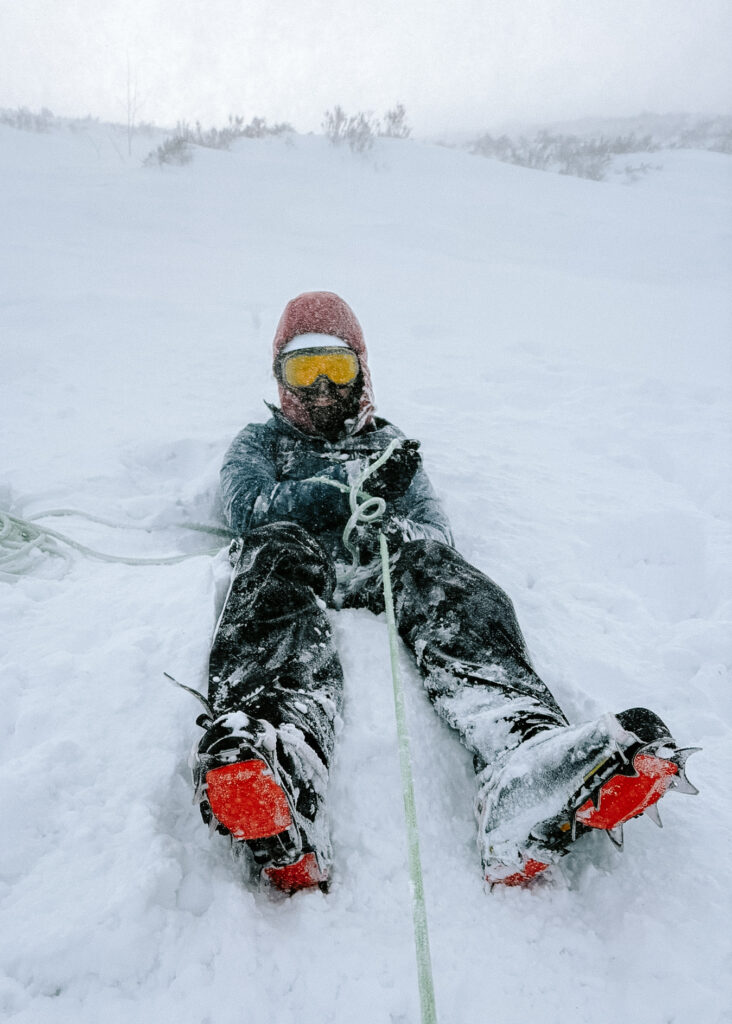
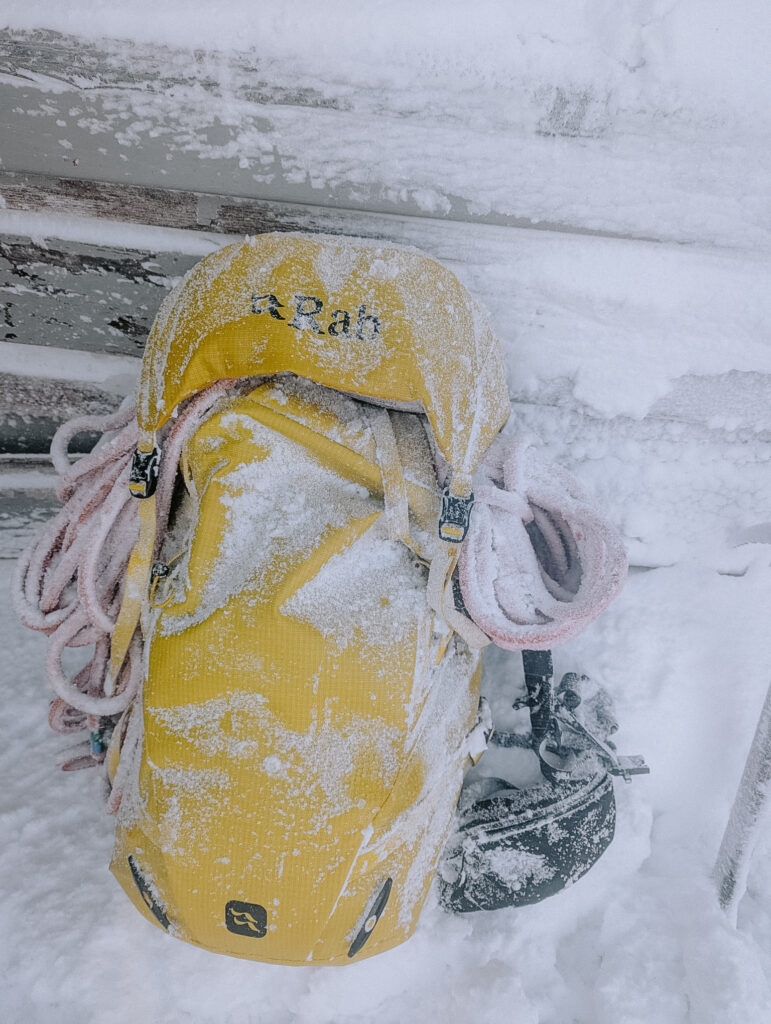
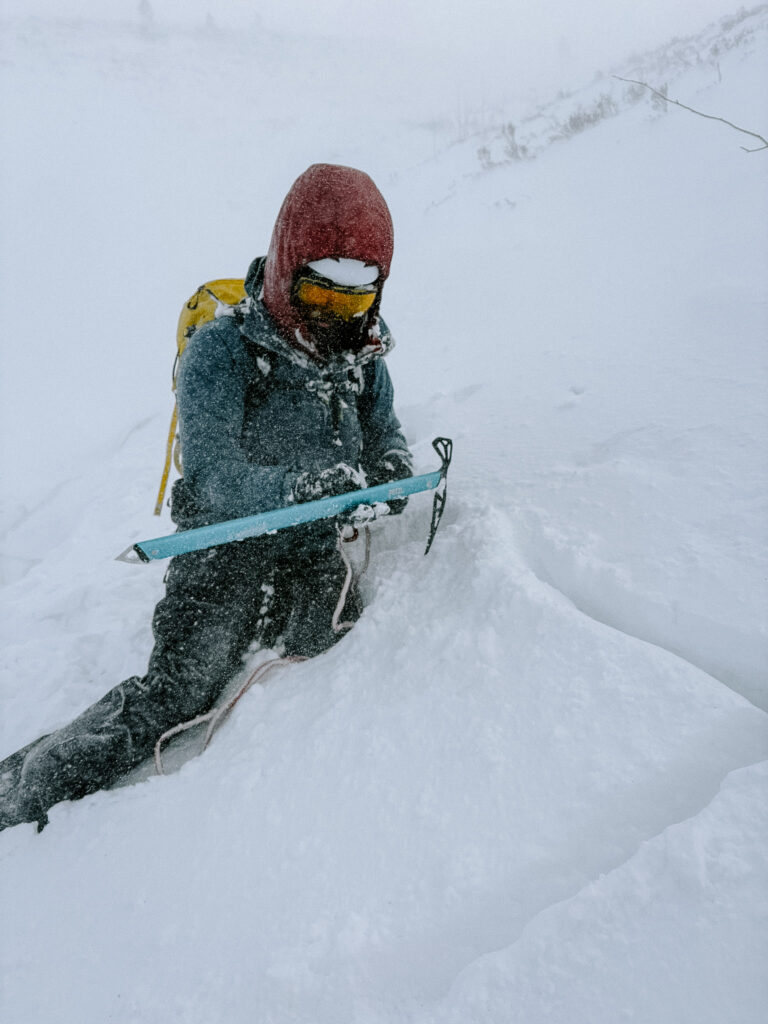
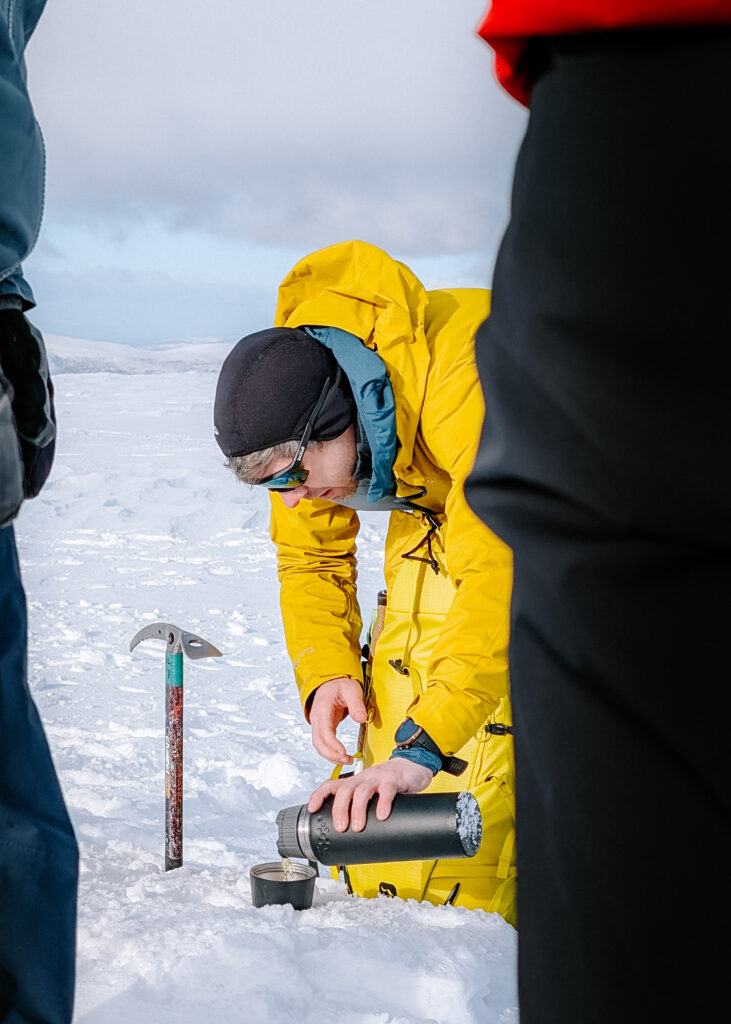
We finished at 16:00, and everyone was relieved to get back for a hot drink and some cake. This day also reinforced the value of a flask of something warm-it made the day feel a little less punishing and helped keep me comfortable during periods when we were relatively static.
Day 4
Day four was a big one. With a more challenging weather forecast, we decided to drive out to a new location for snow holing, a long hike, demanding navigation, and, on this occasion, staying out later to navigate off the hill at night. The day was long, arduous, but absolutely amazing. Even though the weather had improved slightly, we still faced strong winds, changing visibility, and tough navigation.
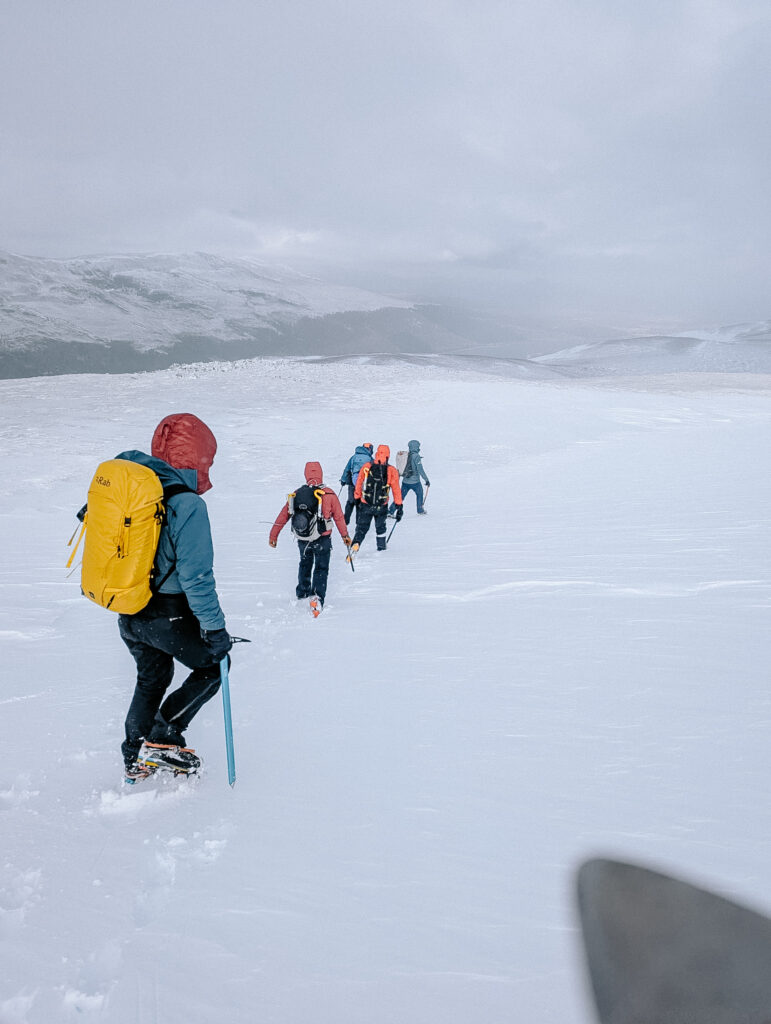
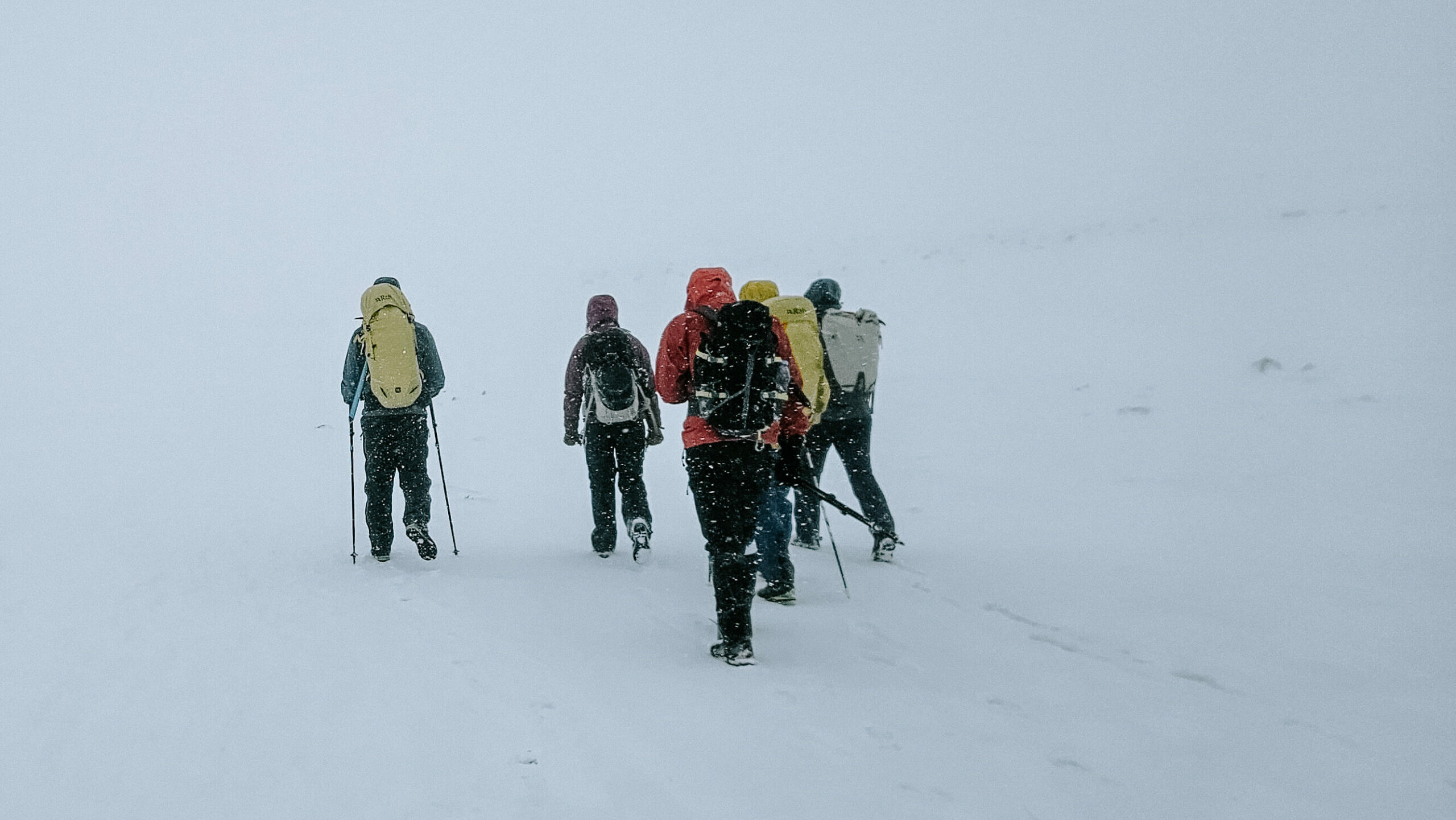
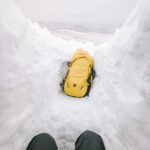
On the hike in, we practised decision-making and navigation, choosing routes, deciding when to use axes and crampons, and assessing the conditions as we went. Once we reached the site, we moved on to snow holing, digging an emergency shelter. I loved this-it was hard work, kept us warm, and really highlighted how effective a snowhole can be at sheltering you from the wind. It also reinforced the importance of having a shovel on long winter hill days.
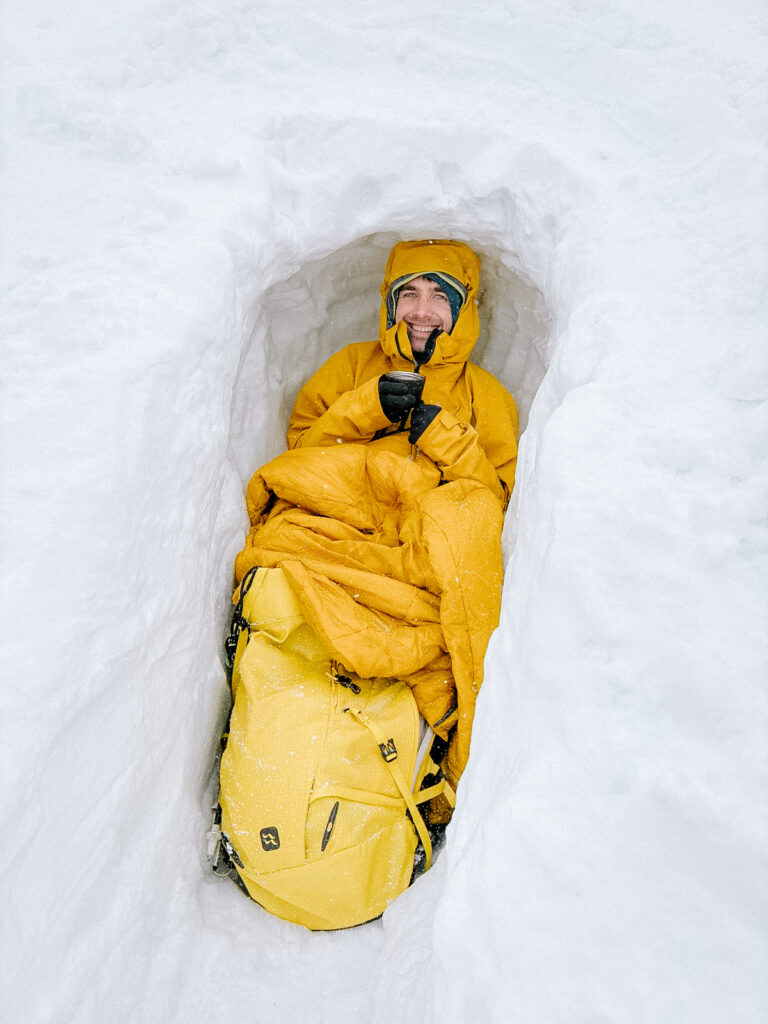
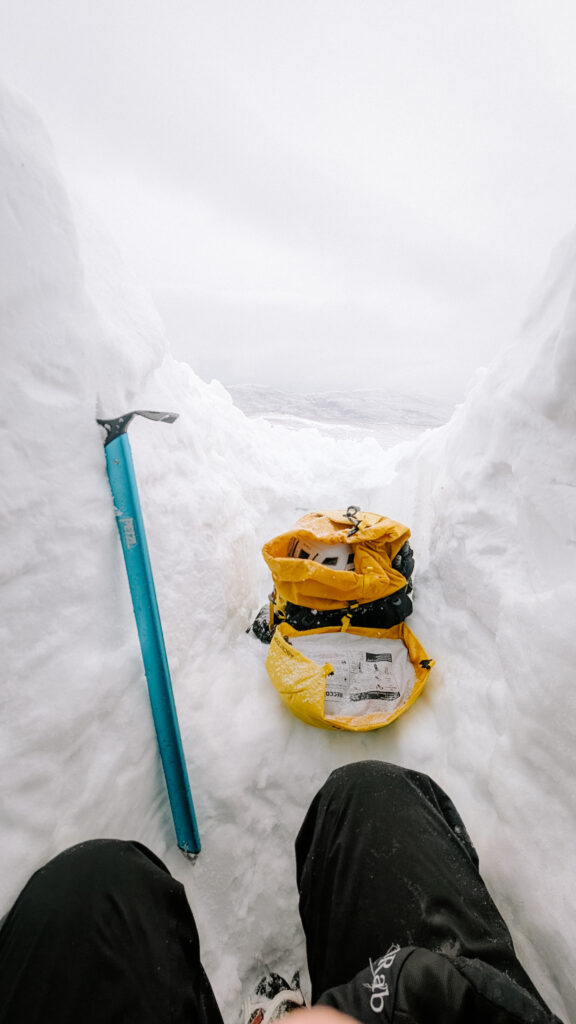
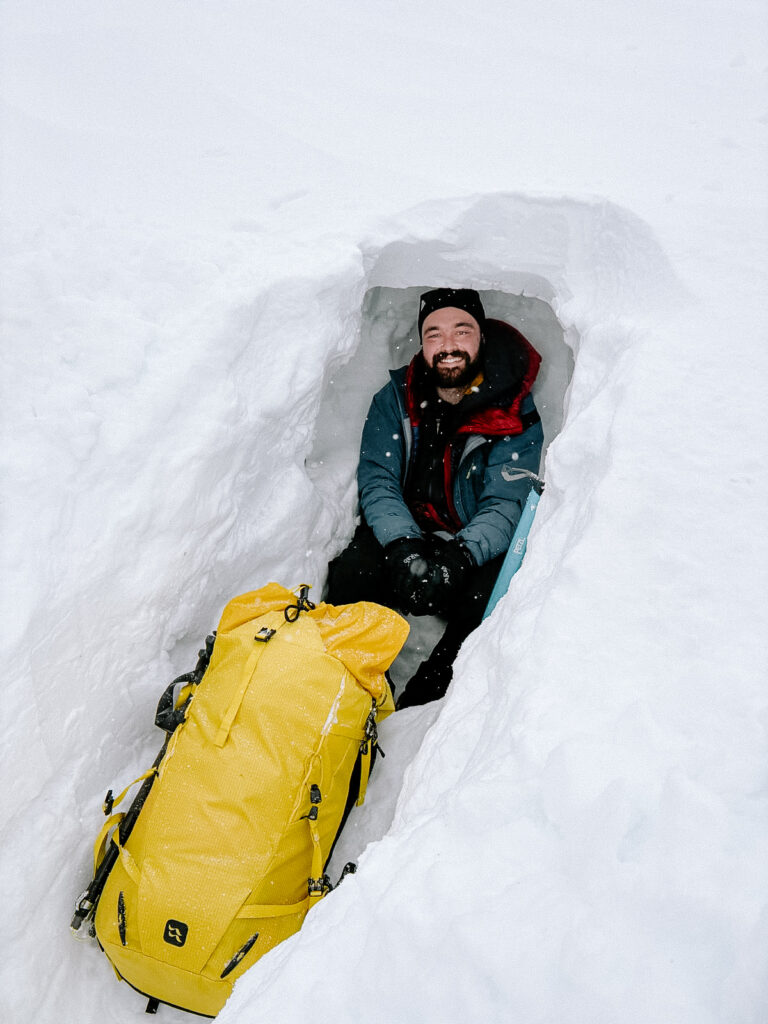
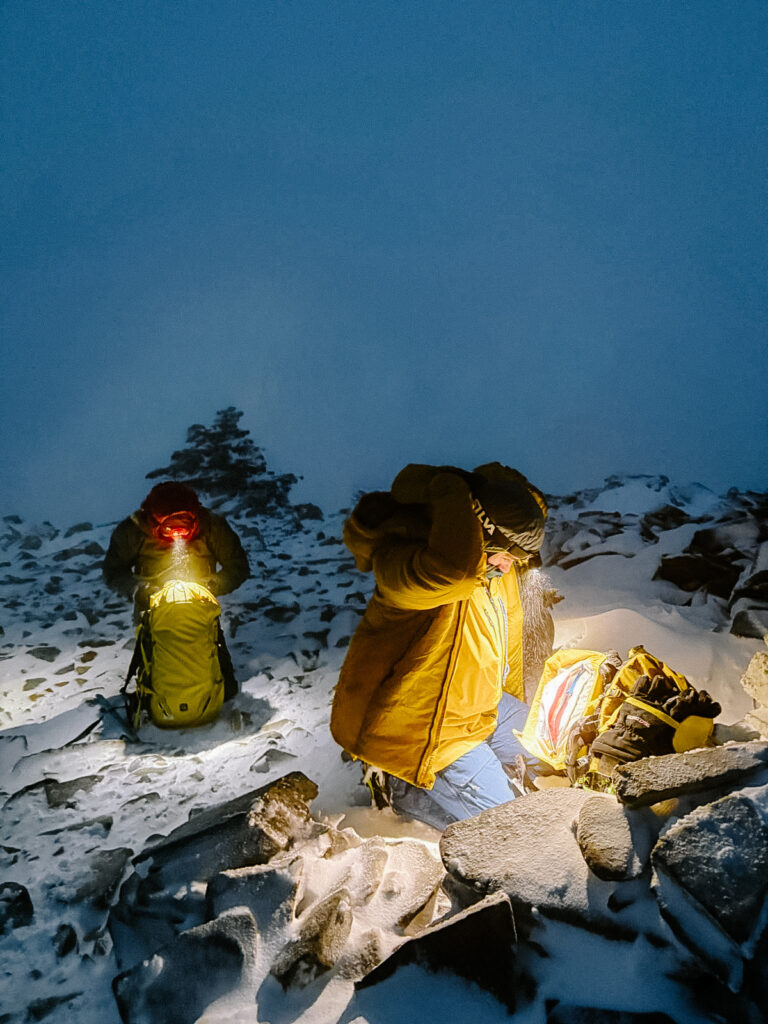
After that, we dug a sample trench to examine the different layers of snow and understand the risks they pose. By this point, visibility had reduced and the sun was setting. We then navigated back to the top of the Munro. Once we reached the summit, darkness had fallen, and it was time to navigate off the hill in very low light.
Each of us led a leg of the route back, which was daunting, but relying on our skills and experience, we all did really well. It gave me a huge boost of confidence in my own navigation and the ability to trust my skill set. Pacing and bearings were essential for this, and they’re skills I’ll continue to use.
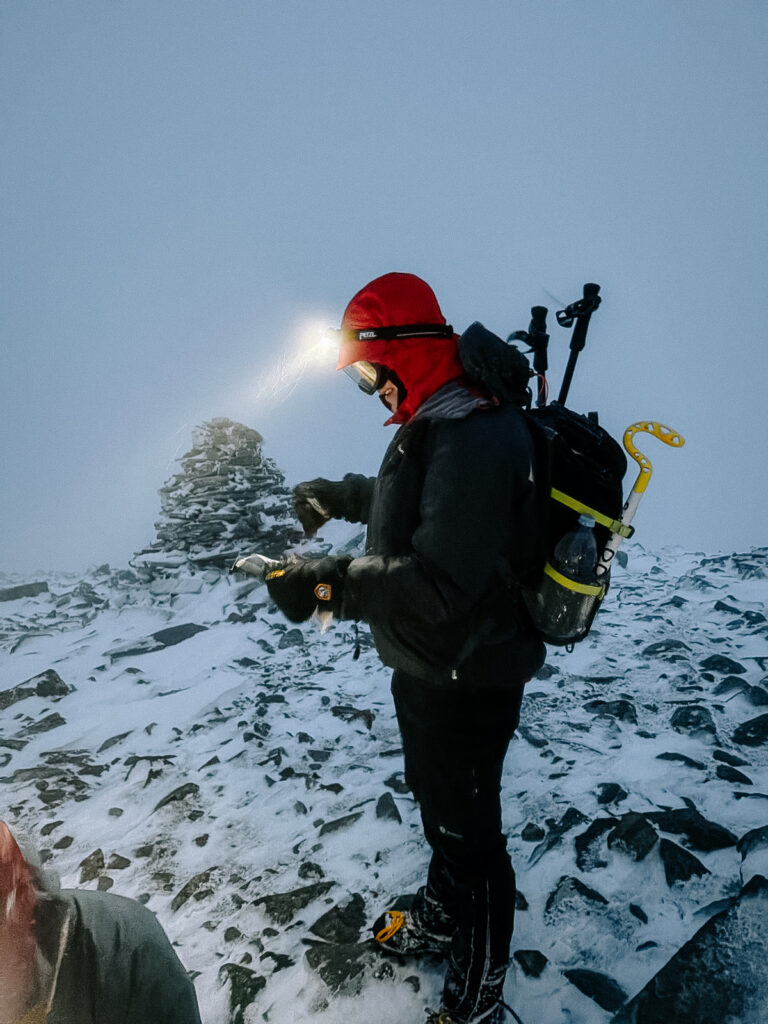
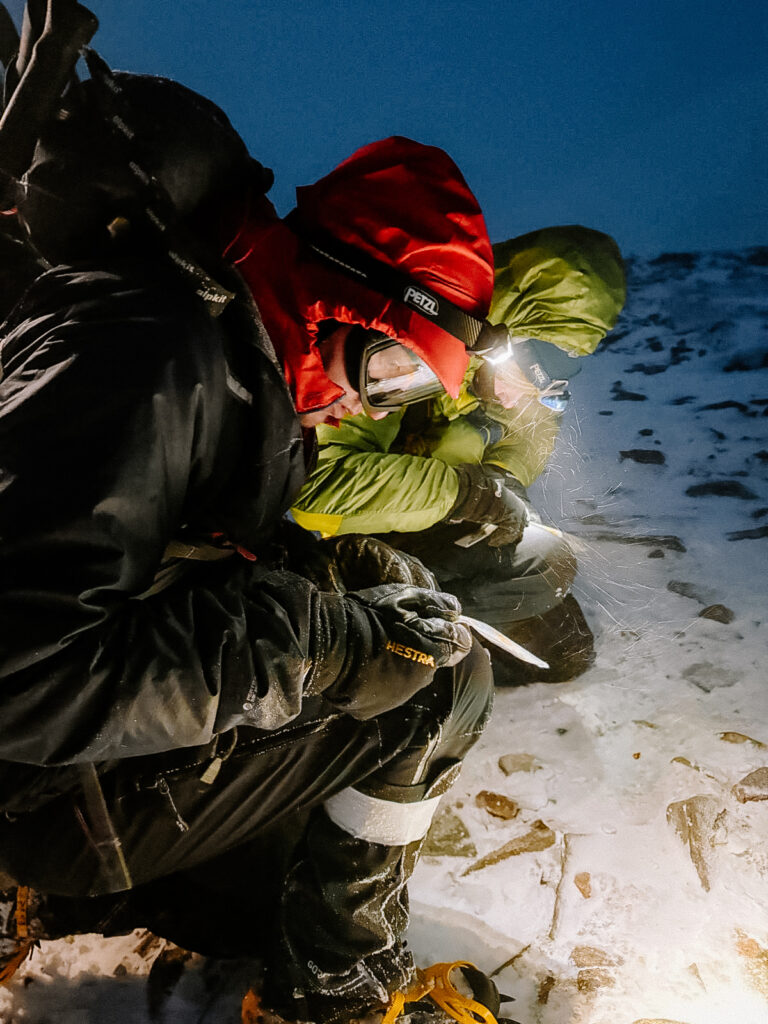
The darkness also gave us a chance to practise small but crucial skills, like putting crampons on and moving through our kit in low light. It really highlighted the value of packing your bag logically so you know where everything is, even in challenging conditions. Because we wanted to complete the night navigation, it ended up being a long day-we didn’t get back until 20:30!
Day 5
Our final day was bittersweet. It had been a tough week with a lot to learn, but it was sad to know it was coming to an end. We headed straight out to practise arrest skills—doing backward ice axe arrests, front-first falls, and more. I loved this; it was a fun, slightly light-hearted way to finish the course and unwind after a week of heavy learning in challenging conditions.
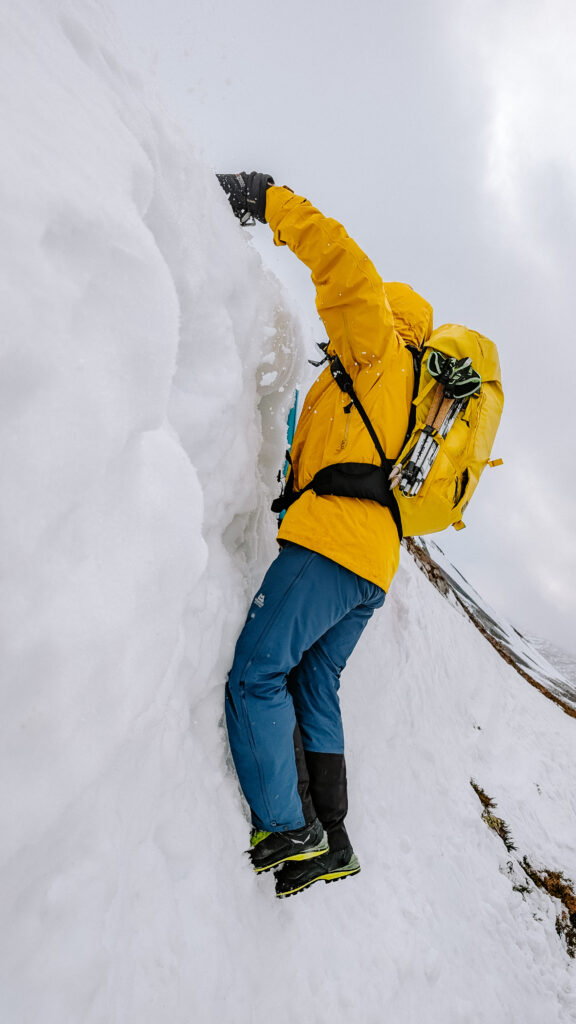
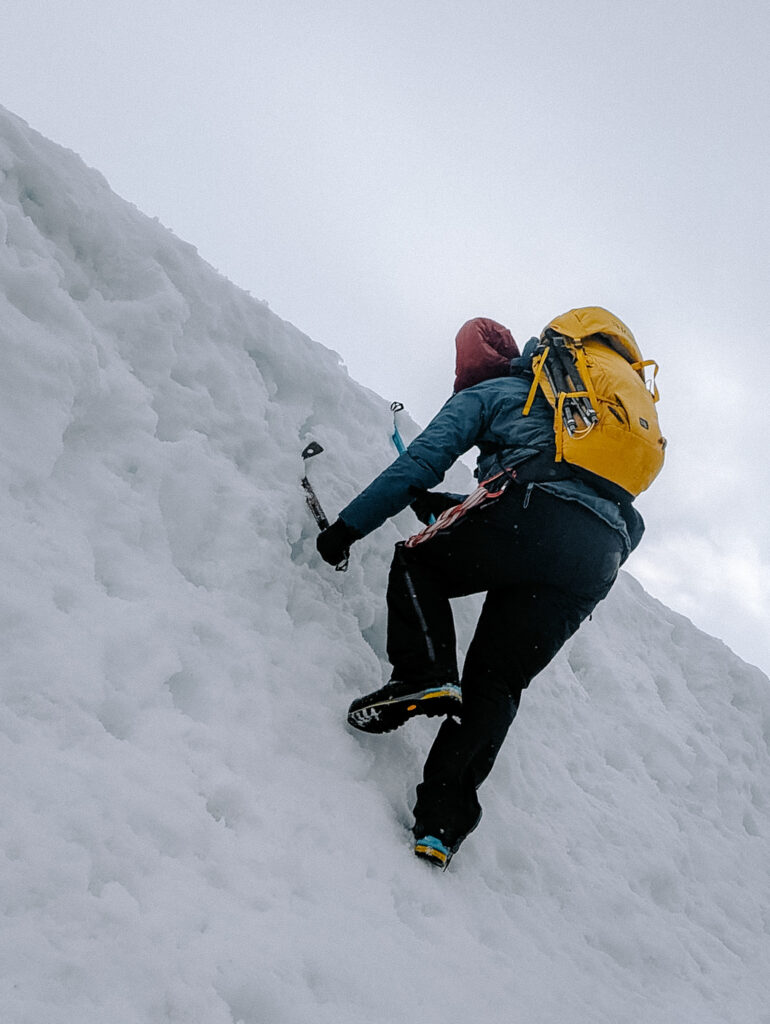
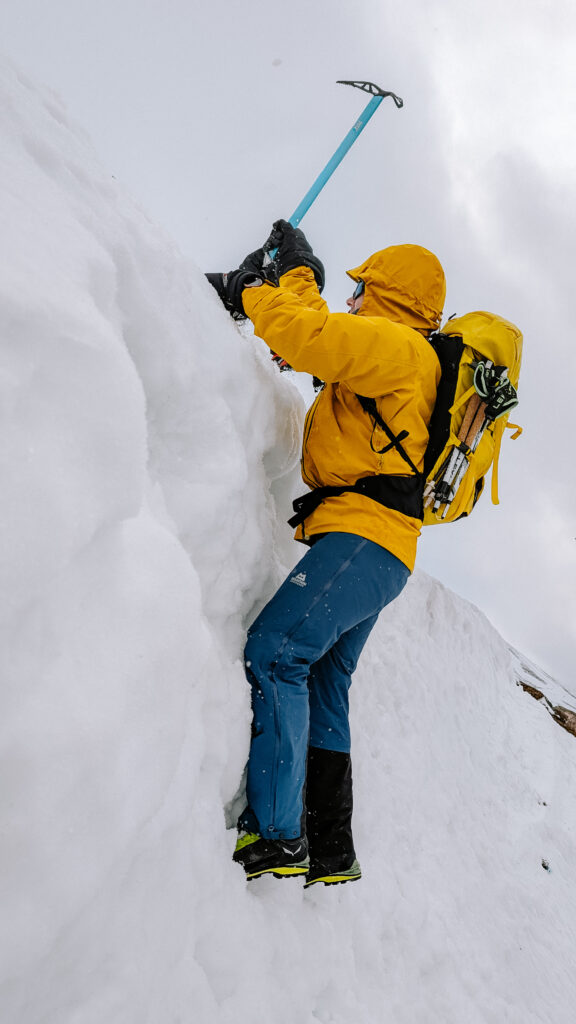
From there, with good visibility, we could study more avalanche risks higher up the hill, practise additional movement techniques, and refine some advanced ice axe skills. Before we knew it, we were back at base, finishing one of the best weeks I’ve had. I had learned so much, felt completely at home in winter Scotland, and it was genuinely a shame to say goodbye.
Should you do a course at Glenmore Lodge?
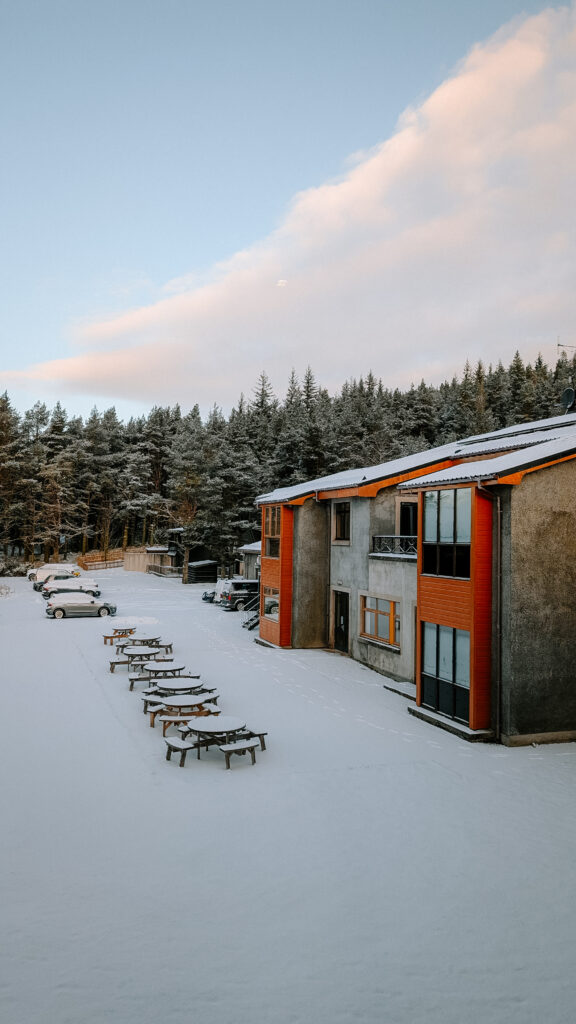
Simply put: yes! If you’re looking to develop your winter skills, Glenmore Lodge is a fantastic place to do it. You have incredible access to the Cairngorms, comfortable accommodation, great food, and—most importantly—friendly, knowledgeable staff and instructors. Charlie was brilliant throughout the week.
I have to admit, I was a little anxious beforehand. I worried I wouldn’t be up to the challenge and that we’d spend the week getting “beasted” in the mountains. That couldn’t be further from the truth. The course is tailored to you—both in terms of learning objectives and pace. Instructors check in throughout the week to make sure you’re comfortable with the physical demands.
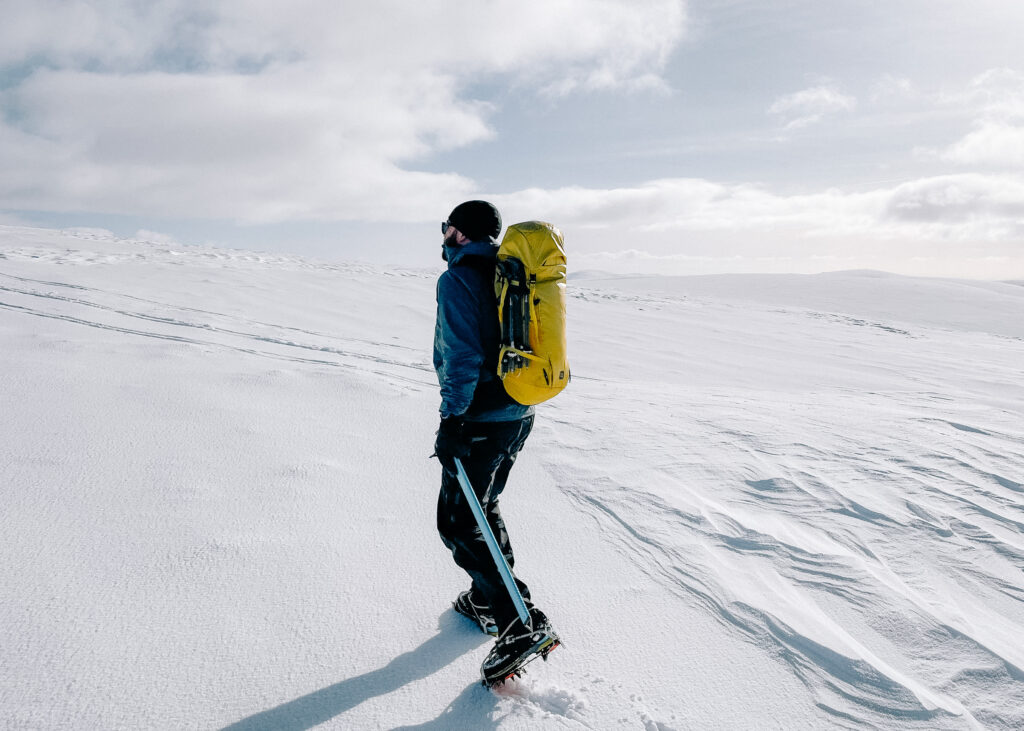
You do need a good level of fitness—the days are long, and conditions can be harsh—but you don’t need to be a super-fit multi-day hiker. This course is about learning, not proving anything, which is why it’s so effective. You’re given the time and space to build skills, and even in challenging conditions, the way the course is structured gives you a huge boost of confidence.
I’m looking forward not only to putting these skills to good use, but also to returning to Glenmore for more courses in the future!