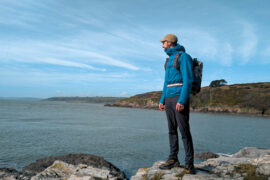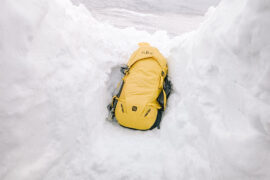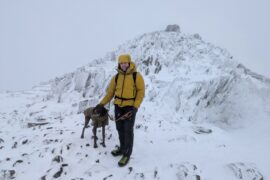

The waterproof jackets I’ve purchased over the years have always stuck to a fairly consistent brief: lightweight, pack-able and, if I’m in the market for something premium, GORE-TEX!
By comparison, the Paramo Velez Jacket isn’t overly light, nor does it pack down particularly small. However, with an RRP of £325 (at the time of writing), it is most certainly premium. So, how does Paramo stand up at a price point otherwise almost entirely made up of GORE-TEX jackets?
The Velez Jacket is Paramo’s offering for those pursuing high-output activities such as mountain walking, climbing and cycling. Constructed from their Nikwax Analogy fabric, it has an active cut with loads of ventilation, a slight drop tail at the back and even a bit of reflective detailing, which, as a keen cyclist, is very welcome.
Follow the link for more detailed technical information.
Who Are Paramo?
Conceived in the early 90’s by Nikwax founder Nick Brown, Paramo Directional Clothing challenged conventional proofing methods such as coatings or membranes. It instead uses their own Nikwax Analogy fabric; a layered system consisting of a pump liner on the inside with a DWR treated windproof fabric on the outer. The Science behind the technology aims to mimic the properties of animal fur, actively pushing moisture out and away from the body,
The environmental benefits to this approach lie not only from the removal of potentially harmful synthetic PFC chemicals, but it also means that the garment is easily repairable and, at the end of its life, recyclable.
But the brand’s conscientious principles don’t end there. For over 30 years, Paramo waterproofs and fleeces have been ethically manufactured in partnership with the charitable Miquelina Foundation in Columbia, supporting and helping vulnerable women and their families.
“The Miquelina Foundation is not there just to create jackets, but to create people – to dignify women who have been denied everything in society and left to feel alone as negotiable objects”. Sister Esther Castaño Mejia
Field Testing
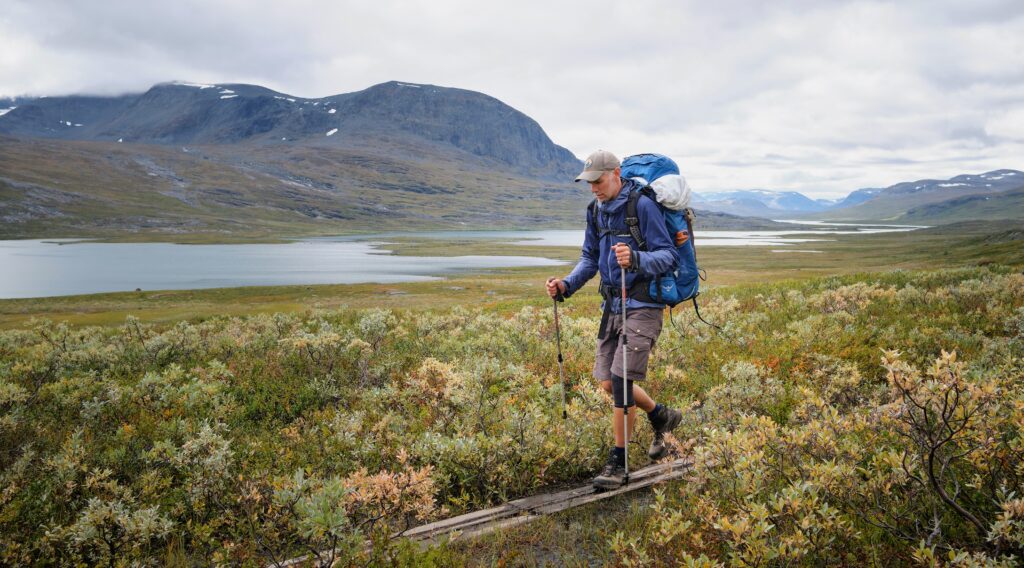
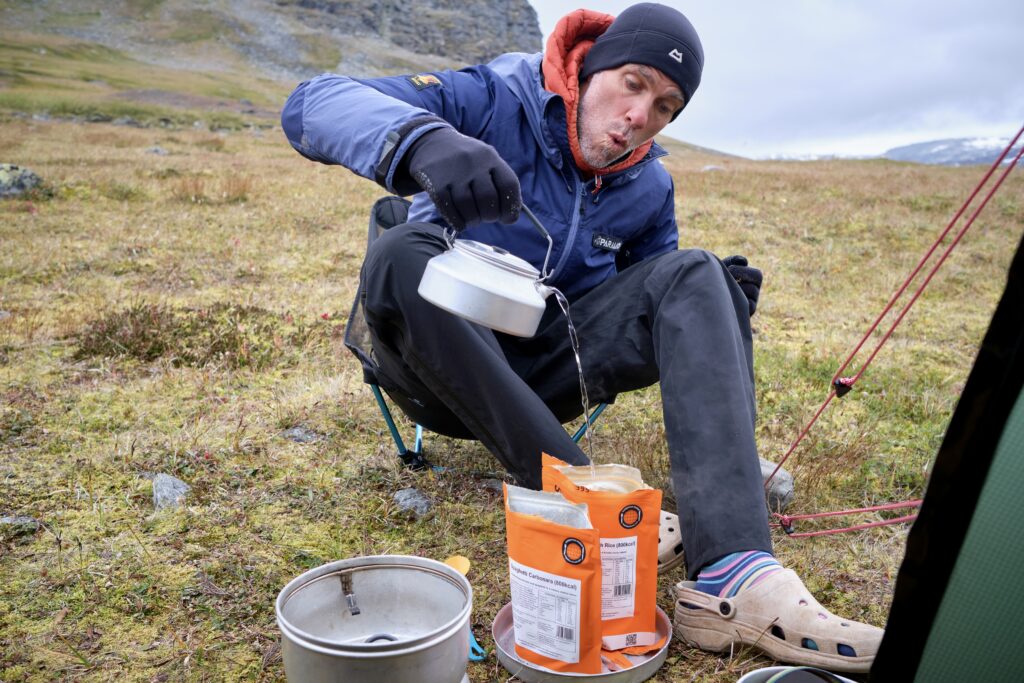
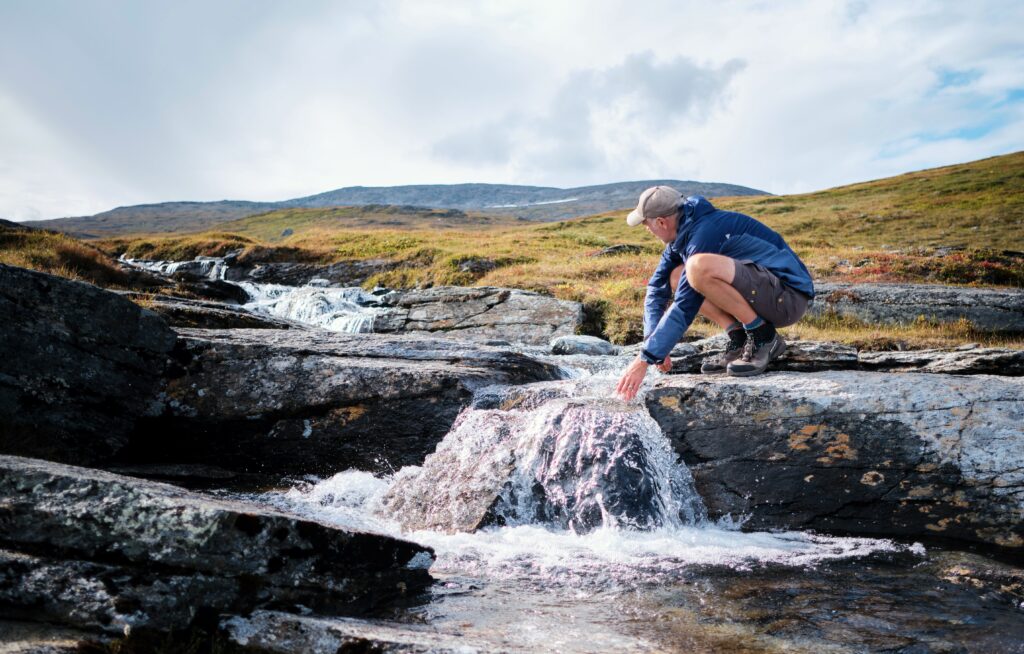
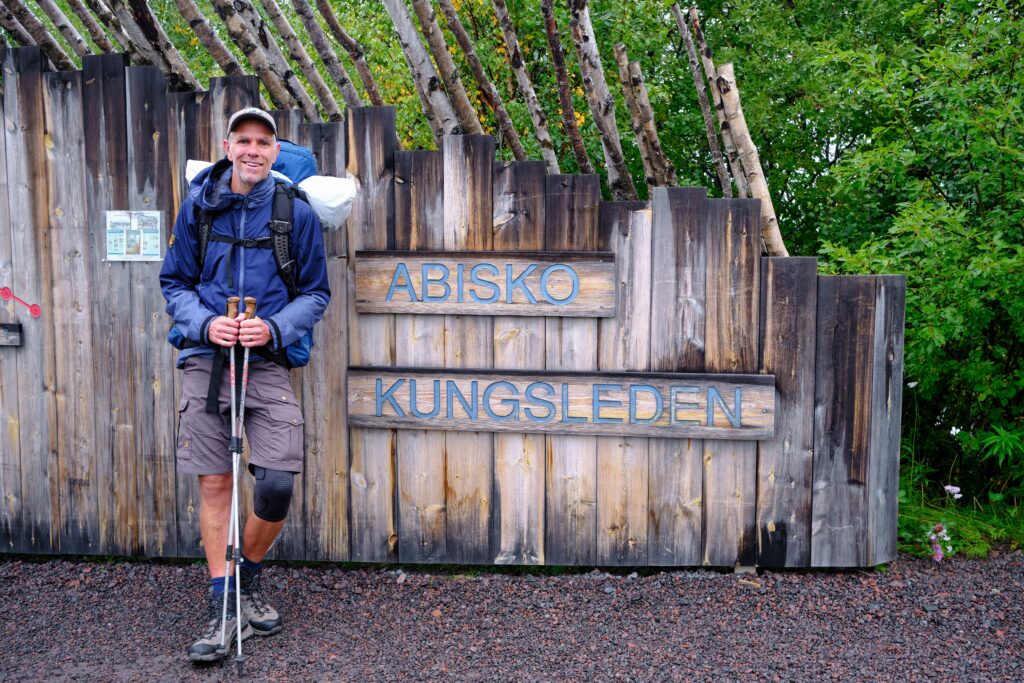
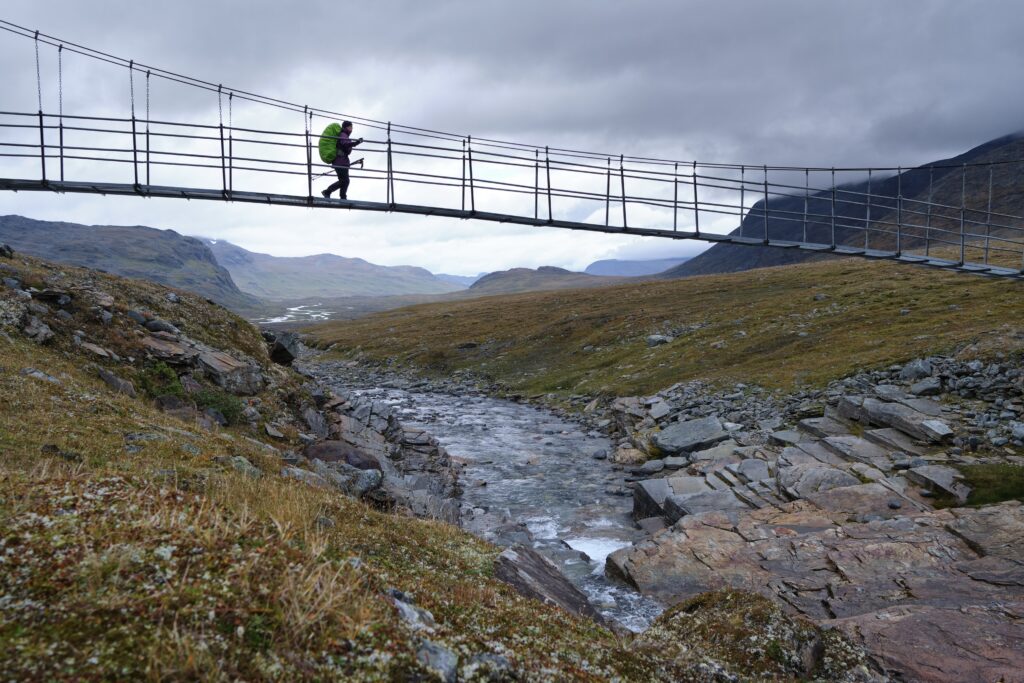
So how does it stand up to the elements? Not the easiest question to answer in the arid summer of 2026. However, in late August, I headed to the far north of Sweden to hike the northernmost section of the Kungsleden Trail in the hope of finding a bit of rain (but not too much!!).
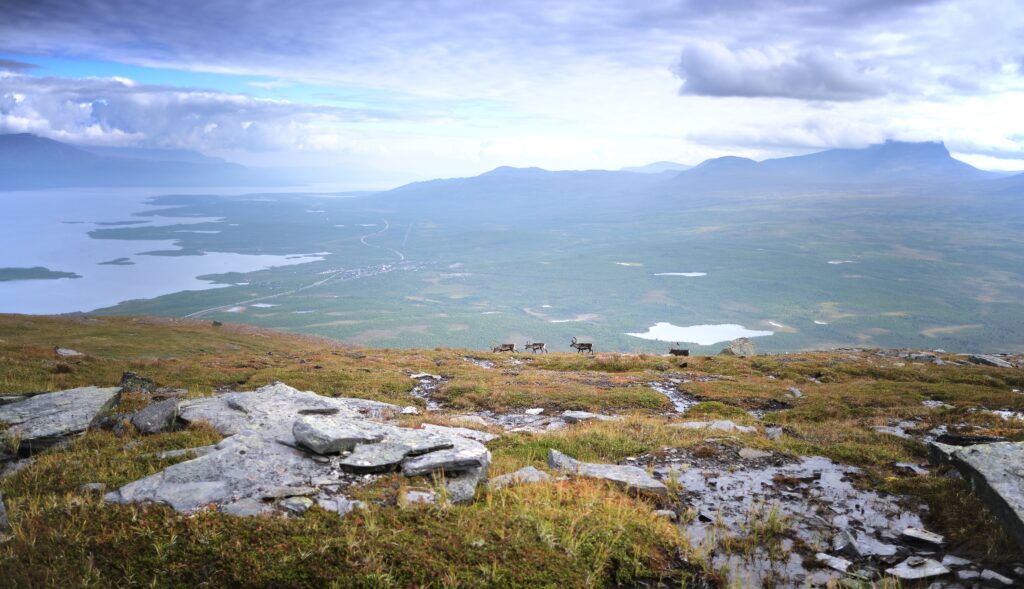
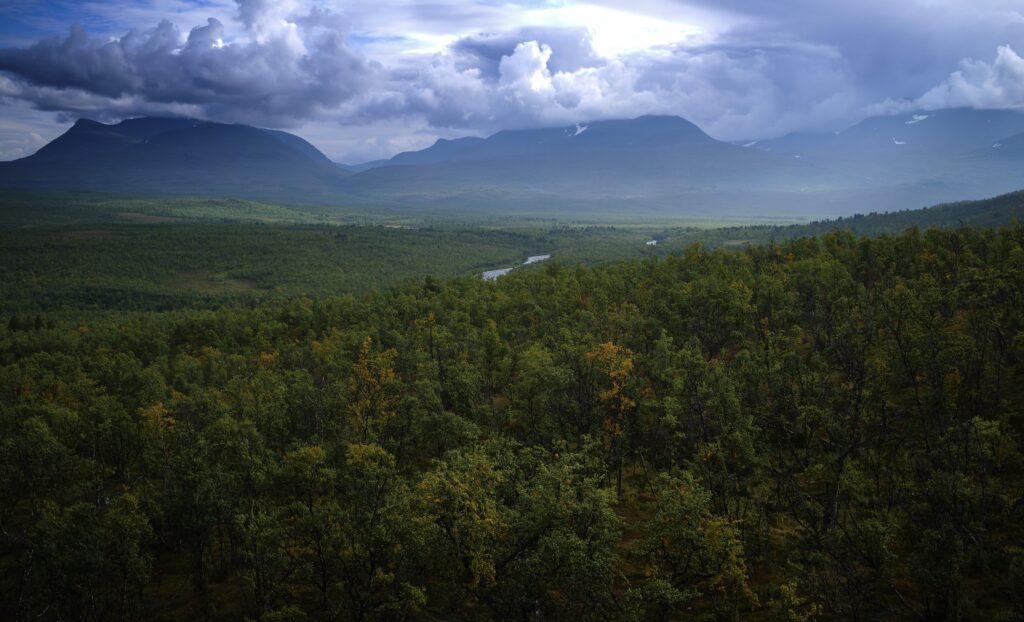
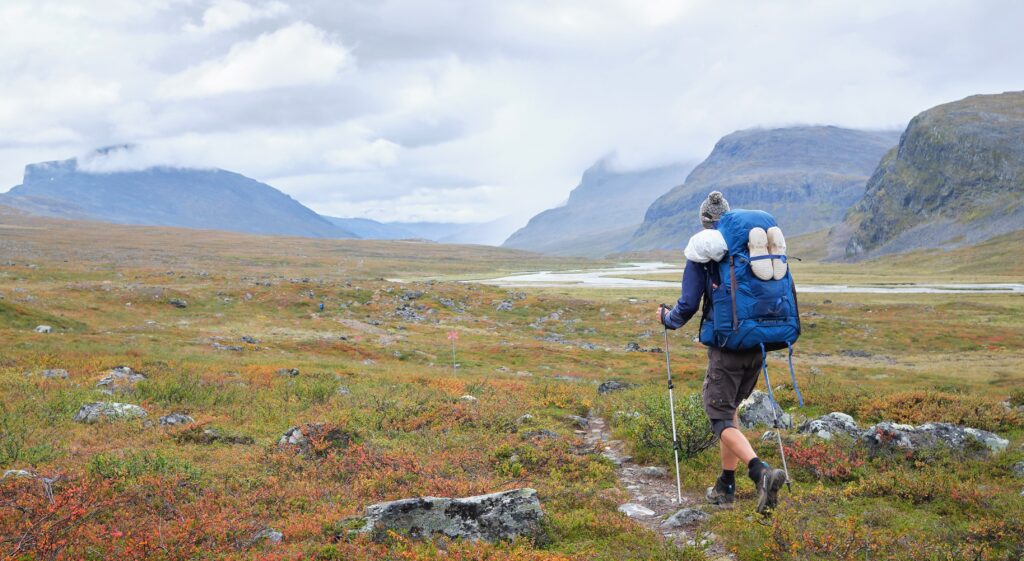
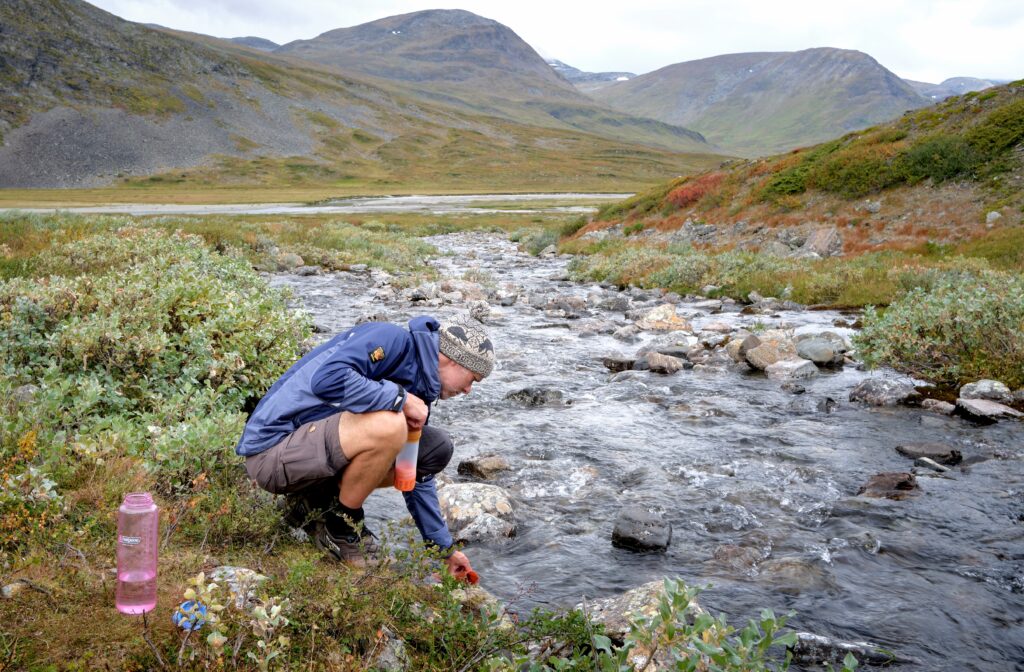
Well, we did find some rain in Sweden, which, although not heavy, was fairly prolonged at times. Daytime temperatures varied quite a lot, from highs of around 17 degrees to a low of 5 degrees.
For some weird reason, it felt like a real trust exercise heading off for 7 days into the Swedish backcountry in the Velez Jacket. There’s something about the soft and comfy nature of the materials that just doesn’t feel like it would be capable of withstanding a deluge, but it does.
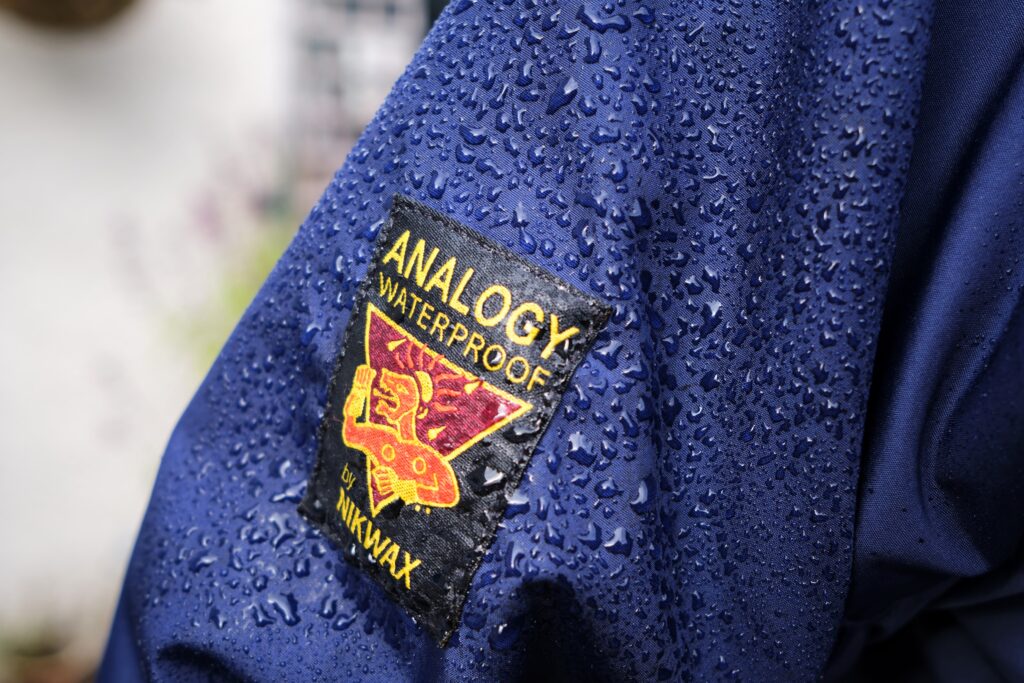
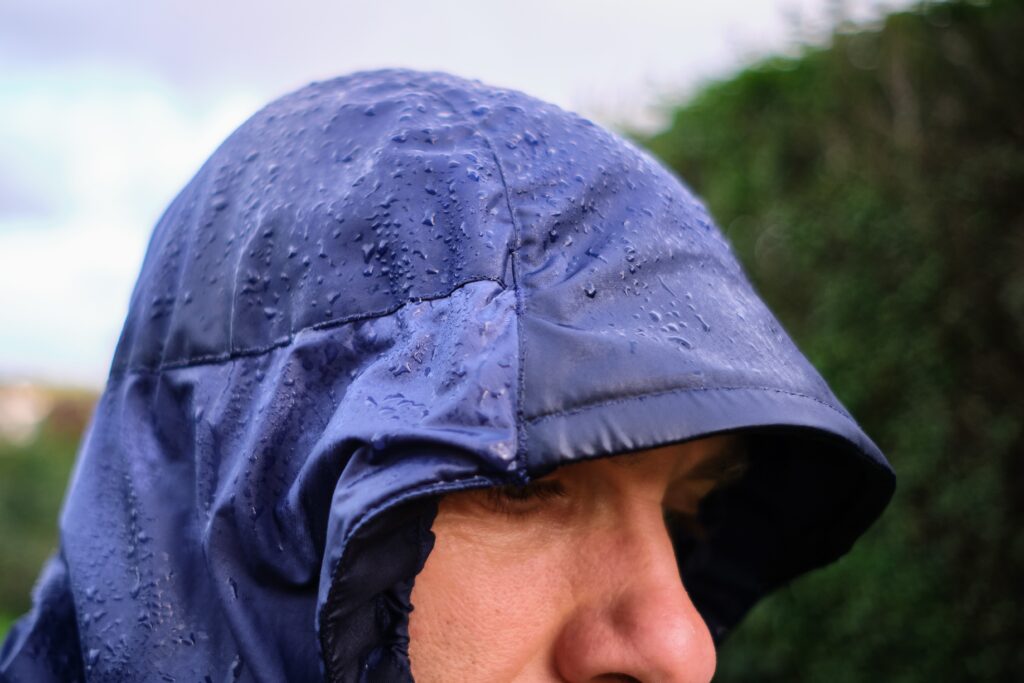
It’s definitely different from what I’ve experienced in, say, a GORE-TEX jacket. A new GORE-TEX jacket feels more fortified, performing almost as a tent might, with rain hammering on the outside and running off. With the Analogy fabric, the impact is much quieter. Rain beads up and runs off for a time before eventually appearing to wet out. But despite appearances on the outside, it performed admirably.
The only slight weak point I found was at the very edge of the sleeve cuffs, where I guess the liner fabric ends and so isn’t there to assist. It did begin to feel a bit damp at this point after a time, but there was enough clearance in the sleeve beyond the baselayer below, so it wasn’t really a massive issue.
Waterproofing aside, for me, the key attribute of the Velez Jacket is COMFORT.
For starters, both the face fabric and the liner are made of really soft fabrics. It feels great to wear (even over just a short-sleeve base layer) and also, it is really quiet. My biggest bugbear with shells is that persistent rustling as you move along, especially with hoods. In a more covert colour, this jacket would be fantastic for something like wildlife photography or birdwatching.
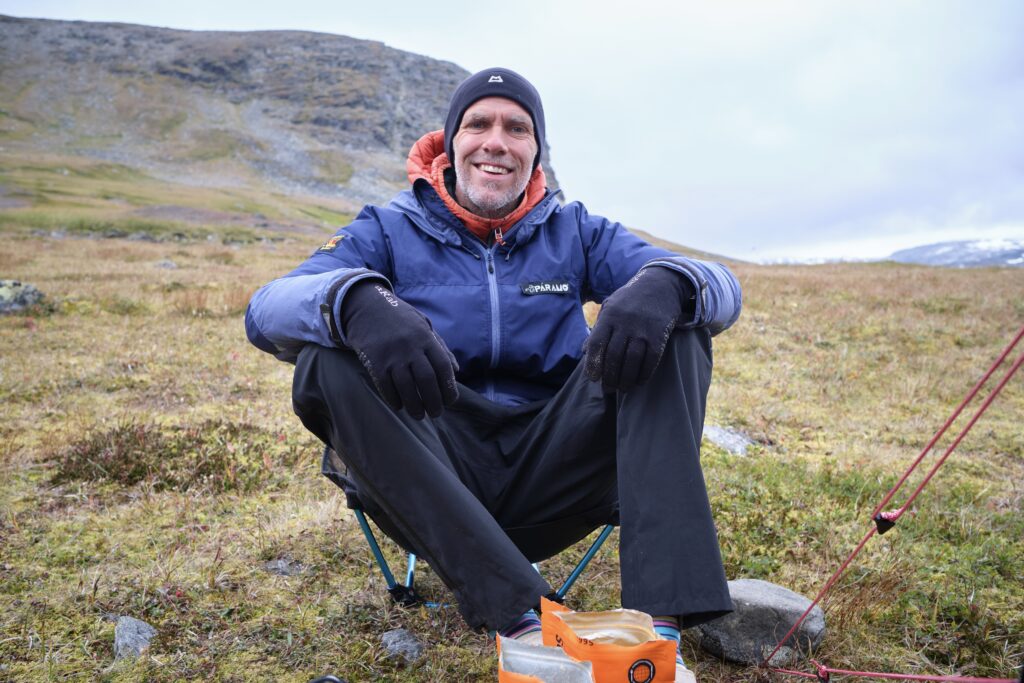
Although not its primary function, the liner definitely also adds a bit of extra warmth too.
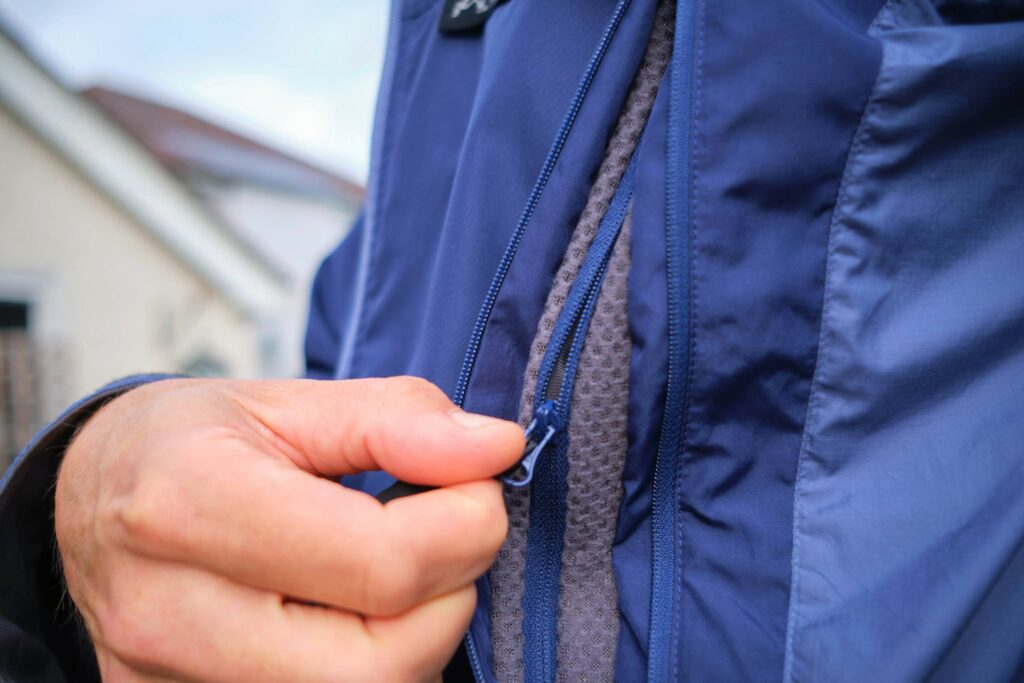
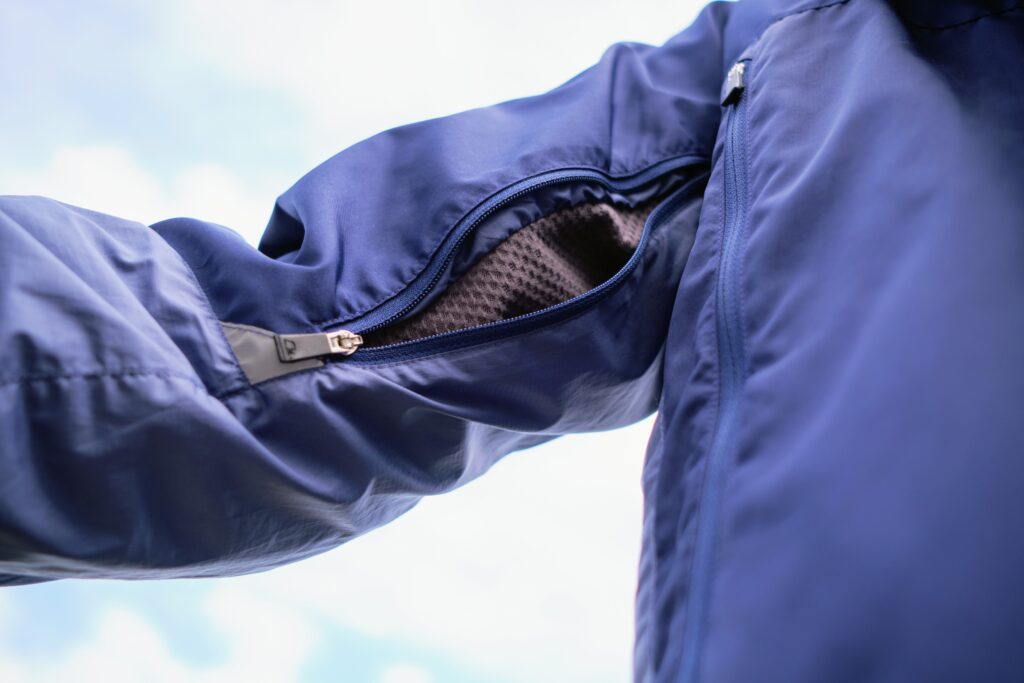
Then there’s the additional ventilation features, which this jacket has in abundance:
- You have a 2-way main zip.
- There’s a row of 5 poppers located down the storm flap, which runs behind the main zip, allowing the front of the jacket to be only loosely held closed.
- Large ventilation zips under each arm (in the outer fabric only).
- Dual-zipped pockets, one in the outer face fabric and then a second to access the pocket itself through the pump liner. This allows you to simultaneously ventilate the jacket and keep the pocket securely zipped closed.
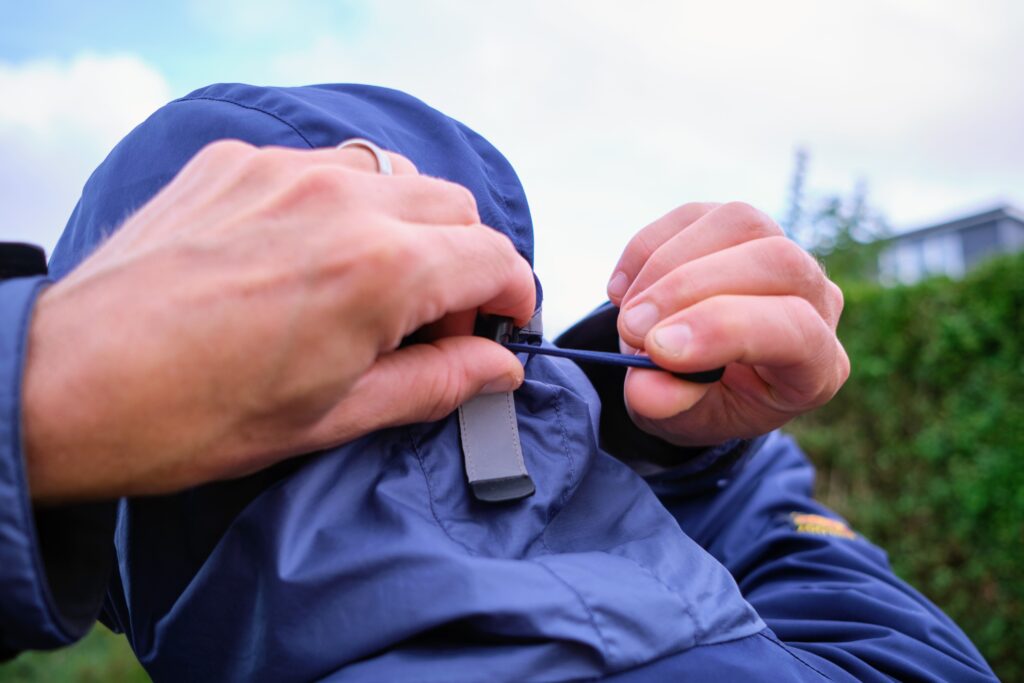
The hood is both generous and effective, with the same soft and quiet properties as the rest of the jacket. There’s loads of adjustment in order to get a good, close fit. I particularly like the way that the vertical drawcords are sewn into sleeves, which very neatly creates a seal around the face when tightened. The stiffened peak is also a decent size and does a good job. When not in use, the hood can be rolled up and secured with a Velcro tab on the back, which works in conjunction with the hanging loop.

Conclusion
So, this is the first Paramo product I’ve used, and on numerous points, I am CONVERTED.
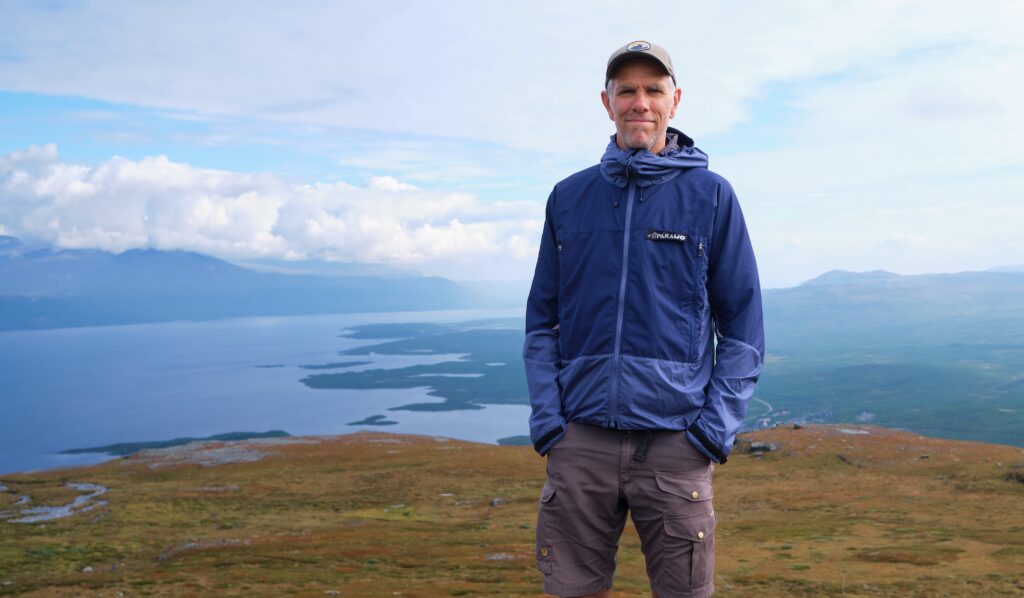
Is it the best-performing waterproof I’ve ever used? To date, probably not. There hasn’t really been enough bad-weather exposure to give a definitive answer to that, but it most certainly does a good job. What I would say, though, is that when you look at the bigger picture and evaluate all the features and properties, the Velez Jacket is, without doubt, the best all-round user experience I’ve had from a jacket.
The overall ability of the fabric to breathe and regulate body temperature is excellent. I wore the jacket almost continuously for the first 4 days of hiking, progressively uphill, carrying almost 20kg of gear (which was pretty warm work), never with any moisture build-up or overheating.
Where, for me, this jacket really excels is in encompassing a really capable technical outdoor jacket into something that is soft, quiet and just generally really nice to wear and use for everything.
Lovely as the notion is that outdoorsy people spend every waking hour traversing mountain passes or scaling rock faces, in reality, our jackets become much more everyday, general-life companions for walking to work, trips to town or waiting in the rain at the school gate.
There are, of course, always some cons. The face fabric is very soft which, although unfounded to this point, does make me question its long-term durability and ability to withstand scrapes and scuffs along the way. I am always very cautious when stowing it in the lid pocket of my pack, fearing catching it in the zipper.
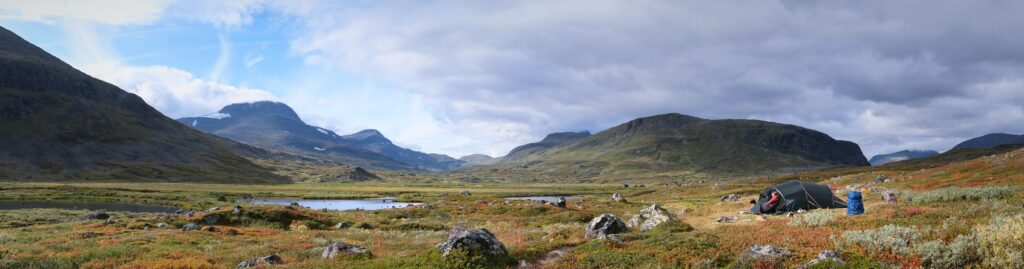
Also, as per my initial observations, it isn’t the lightest or the smallest-packing of jackets, but then again, the same can be said for our Hilleberg tent or Trangia stove. At the end of the day, some compromises are just worth making. For me, performance, function and pleasure of use are the boxes best ticked, and if that decision ultimately costs me a little extra weight or capacity, then so be it.
As for the price, over £300 for a jacket is a lot of money, but, to be fair, there is a lot of work gone into it. On balance, given the almost excessive comfort features, an amazing hood, all coupled with Paramo’s very considered environmental and ethical principles, I would conclude that it is, on the whole, justified.
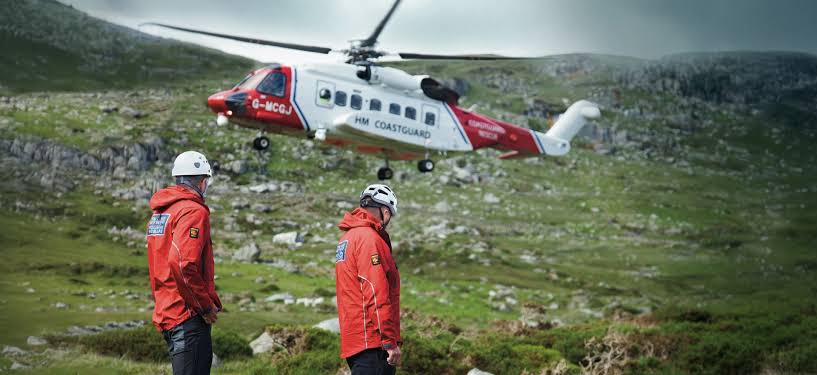
I know what you’re probably thinking. “You’re a Taunton Leisure employee; of course you’re going to say it’s the best thing since sliced bread.” Then don’t just take my word for it; after all, Paramo is a much-loved brand with a very dedicated fan base. Not only that, it is the choice of Mountain Rescue Teams and outdoor professionals right across the country. Endorsements really don’t get much better than that.
Want to pick up a Paramo Velez Jacket for yourself? Click the links below
Fancy learning more about the whole Velez range? Check out our YouTube video below!